



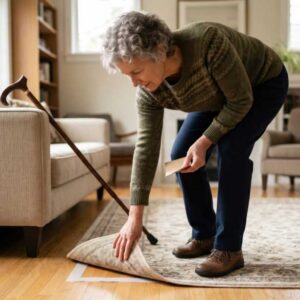



 You’ve probably heard the old saying, “You can’t teach an old dog new tricks.” But when it comes to learning as we age, research suggests it may be time to retire that phrase. In an episode of the American Psychological Association’s Speaking of Psychology podcast, psychologist Rachel Wu, PhD, discussed research showing that older adults can continue learning new and challenging skills, and that doing so may help support cognitive abilities. In one of Wu’s studies, older adults took classes in several new skills, such as Spanish, drawing, and using an iPad. After three months, participants showed improvements in cognitive abilities, and those gains continued after the classes ended.
The takeaway? Learning doesn’t have an expiration date. For older adults, having more flexibility in the day can open the door to interests that may have been put aside during busier seasons of life. And today, technology makes it possible to explore an incredible variety of subjects without even leaving home.
Start With a Simple Question: What Interests You?
Learning is a lot more enjoyable when the subject is something you’re genuinely curious about. Instead of asking, “What should I learn?” try asking, “What have I always wanted to know more about?”
Maybe there’s a hobby you enjoyed years ago and would like to rediscover. Perhaps you’ve always wanted to learn a new language, understand more about history, or finally figure out all those features on your smartphone.
There are plenty of directions to explore, including:
- Arts and crafts, from painting and photography to knitting
- Music, movies, history, or literature
- Cooking and baking
- Languages and cultures
- Gardening and nature
- Technology and digital skills
- Sports and fitness
- Personal finance
- Science and current events
- Genealogy and family history
And there’s no need to choose alone. Sitting down with a family member, friend, or Seniors Helping Seniors® caregiver can be a fun way to brainstorm. A caregiver may already know about your interests from conversations you’ve shared and can help turn a passing curiosity into something new to look forward to.
Bring the Classroom Home
Once you have an idea of what you’d like to learn, the internet puts countless resources at your fingertips.
- YouTube can be a simple place to start. From watercolor tutorials and cooking demonstrations to history lectures and beginner technology lessons, there are videos covering just about every interest imaginable. Many can be paused, replayed, and watched at your own pace.
- GetSetUp is another option designed specifically for older adults. The platform offers online learning and community opportunities for adults 55 and older, with subjects including art, cooking, finance, music, technology, travel, and more. Some classes and community offerings are available for free, while access to additional programming may depend on membership or eligible partners.
- Senior Planet from AARP also provides online learning created with older adults in mind. Its programs are free and include virtual classes on technology, exercise, discussion topics, and other subjects. Senior Planet also offers technology support, making it a useful resource for someone who wants to become more comfortable navigating the digital world.
Of course, finding an interesting class is one thing. Figuring out how to register, create an account, join a video call, or troubleshoot the sound is another!
That’s where a Seniors Helping Seniors® caregiver can lend a hand. A caregiver can help explore learning opportunities, navigate websites, practice using devices, or simply sit alongside an older adult while trying something new. Having a familiar, encouraging person nearby can make technology feel less intimidating and learning more enjoyable.
Keep Growing, One Lesson at a Time
Learning something new doesn’t have to mean earning a degree or mastering a complicated skill. It might be watching your first photography lesson, learning five words in Italian, joining an online book discussion, or finally figuring out how to video chat with the grandkids.
What matters is staying curious. As Dr. Wu’s research reminds us, older adulthood doesn’t have to be a time when learning slows to a stop. In fact, continuing to challenge ourselves with new experiences can be an important part of staying engaged and confident as we age.
This fall, consider turning over a new leaf by learning something you’ve always wanted to try. And remember, you don’t have to figure it all out by yourself. With a little curiosity, and perhaps some encouragement from a Seniors Helping Seniors® caregiver, your next favorite hobby, skill, or subject could be just a click away.
The post Fall Into Learning: Online Classes and Virtual Education Resources for Seniors appeared first on Seniors Helping Seniors.





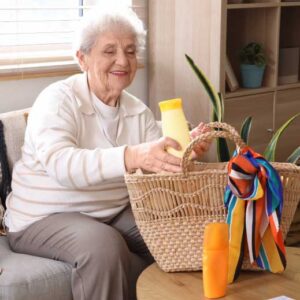 There’s something special about the arrival of summer. Longer days, warm sunshine, fresh air, and more opportunities to spend time outdoors can bring a renewed sense of energy and joy. Whether it’s enjoying a morning walk, tending to a garden, meeting friends outside, or simply sitting on the porch with a good book, summer encourages us to slow down and appreciate the season.
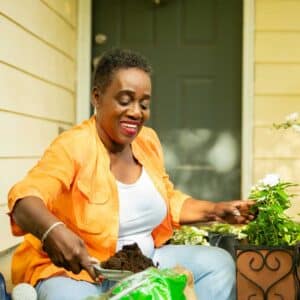 There’s something timeless about gardening. Whether it’s planting colorful flowers, growing fresh herbs for dinner, or watching tomatoes slowly ripen on the vine, gardening offers a sense of accomplishment and joy that people of all ages can appreciate. During National Gardening Week, it’s the perfect time to celebrate the many ways gardening supports physical, emotional, and mental well-being — especially for older adults.
 Recovery after surgery is often anticipated as a positive step forward—the moment a senior can leave the hospital and return to the comfort of home. However, for many individuals and their families, this transition can feel more overwhelming than expected. After receiving around-the-clock care in a hospital setting, the sudden shift to managing recovery at home can bring uncertainty and added responsibility.
 Mother’s Day is a time to celebrate love, connection, and appreciation—a meaningful opportunity to honor the women who have shaped families and communities in lasting ways. While traditions may evolve over time, the heart behind the day remains unchanged. For many older adults, celebrations may look different than they once did, but they can still be deeply meaningful—sometimes even more so.
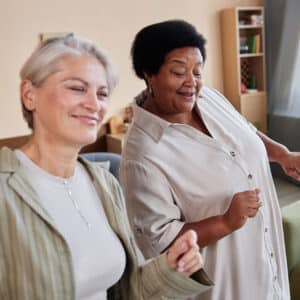 If you’ve ever found yourself tapping your foot to a favorite song or swaying a little while cooking dinner, you already know the secret: dancing doesn’t require a stage – it just requires a moment. Music has a way of moving us, no matter our age or ability. And with International Dance Day coming up on April 29th, there’s no better time to lean into that rhythm and rediscover the joy of movement. At Seniors Helping Seniors® in-home care services, we often see how the smallest moments – like sharing a song or a laugh – can brighten an entire day. Dancing is one of those simple pleasures that also happens to be incredibly good for you.
 April is Parkinson’s Awareness Month, a time dedicated to shining a light on a condition that affects millions of individuals and families around the world. In the United States alone, nearly one million people are currently living with Parkinson’s disease, and experts estimate that about 90,000 new cases are diagnosed each year. As our population ages, that number is expected to continue growing in 2026 and beyond, making awareness, education, and community support more important than ever. Parkinson’s disease is a progressive neurological disorder that impacts movement, balance, and many everyday activities most of us take for granted. While it is often associated with aging, Parkinson’s can touch people at many stages of life and can deeply affect both the person living with the disease and those who love them. At Seniors Helping Seniors® in-home care services, we see firsthand how Parkinson’s shapes daily routines and relationships, and this month is an opportunity to raise awareness, encourage compassion, and highlight helpful resources.
 St. Patrick’s Day is a time for celebration – a little music, maybe a splash of green, and of course, festive food. But for older adults, holidays can sometimes come with heavier dishes that don’t always leave us feeling our best.
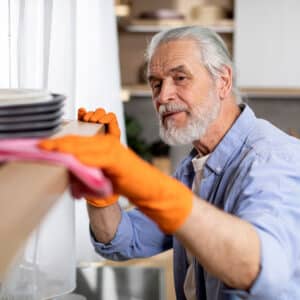 Spring has a way of inspiring fresh starts. The days grow longer, sunlight fills our homes, and many of us feel a renewed sense of energy. For seniors, spring cleaning isn’t just about tidying up—it’s an opportunity to stay active, feel more organized, and create a home environment that supports comfort, safety, and peace of mind. With a little extra help from a Seniors Helping Seniors® in-home care services, this seasonal refresh can feel less overwhelming and a lot more enjoyable.
 As tax season begins, many families take time to reflect on the past year’s finances. It’s also an ideal moment to look ahead to 2026 and beyond. For seniors and their families, financial planning isn’t just about numbers — it’s about peace of mind, independence, and feeling prepared for what lies ahead.
 The world feels a bit slower when Winter rolls in. The sun sets earlier, the days feel shorter, and the quiet of the early morning can become a comforting space all on its own. For many seniors, this time of year offers a perfect opportunity to savor peaceful routines that help them feel grounded, energized, and connected.
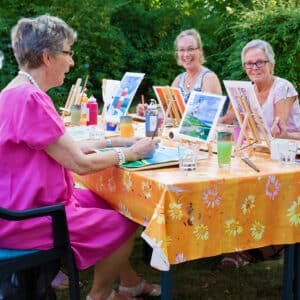 January often brings a sense of fresh beginnings — a perfect time to welcome comfort, creativity, and the simple joy of making something with your own hands. For older adults, creative expression is far more than a pleasant hobby. Research shows that arts, crafts, and everyday creative activities can support healthy aging by stimulating the brain, boosting emotional well-being, and encouraging meaningful social connection.
 Winter may bring colder temperatures and early sunsets, but it doesn’t have to cool down your social life. When the season settles in, even the most outgoing person may feel less motivated to socialize. For many older adults, reduced mobility, limited transportation, and fewer daylight hours can quickly add up to feeling more isolated than usual.
 In your life, your skin will experience decades of smiles, sunshine, and everything in between. Over time, skin naturally becomes thinner and more delicate, making consistent care increasingly important. Healthy skin plays an essential role in maintaining comfort, confidence, and overall wellness, especially as we age. Maintaining a consistent skin-care routine can help protect against dryness, irritation, and other common concerns.
 Stay Steady, Engaged & Confident in the Winter Months
 Each November, Alzheimer’s Disease Awareness Month invites us to learn, reflect, and show support for the individuals and families impacted by Alzheimer’s and other memory challenges. Alzheimer’s disease affects more than 6 million Americans, gradually impacting memory, communication, and daily routines. Our Seniors Helping Seniors® team believes that supporting memory means fostering connection, dignity, and joy in every season of life.
 Hydration Meets Comfort This Fall
 The arrival of fall also marks the start of flu season. Typically running from October through May, staying healthy takes a little extra care during this time – especially for older adults. Seniors face higher risks from the flu, not only because of age-related changes to the immune system but also because the flu can worsen existing health conditions like diabetes, COPD, or heart disease. Symptoms such as fever, body aches, and fatigue may hit harder and linger longer for older adults. That’s why proactive measures are key.
 As the seasons change, our daily routines often shift with them. For senior caregivers, autumn can bring new challenges, from managing busy schedules to keeping loved ones safe as the days grow shorter. Caring for an older loved one takes time, energy, and patience, but new technology is stepping in to lend a hand. Artificial intelligence (AI) tools are evolving to become practical resources caregivers can use to stay organized and keep loved ones safe.
 Autumn Adventures Are Just a Tap Away
 Seniors, Embrace Wellness This August
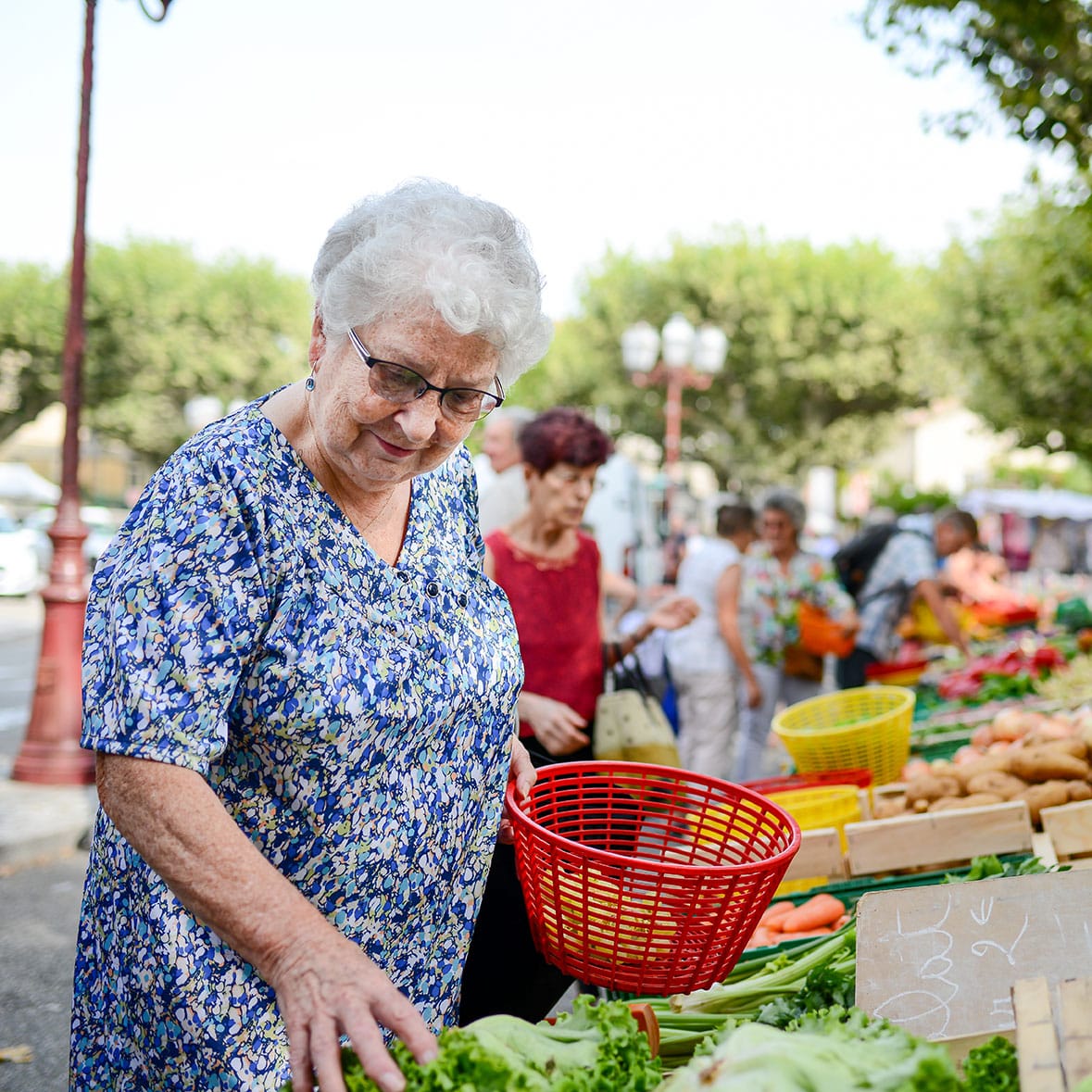 National Farmers Market Week (August 4-10) is the perfect invitation to embrace wellness. It’s the perfect time for seniors to reconnect with their community and enjoy an outing that’s as nourishing for the spirit as it is for the body. With a compassionate Seniors Helping Seniors® caregiver from providing a ride and companionship, a wonderful trip to the market is always possible. Keep reading to discover the wonderful benefits of a market visit and tips for making the most of your day.



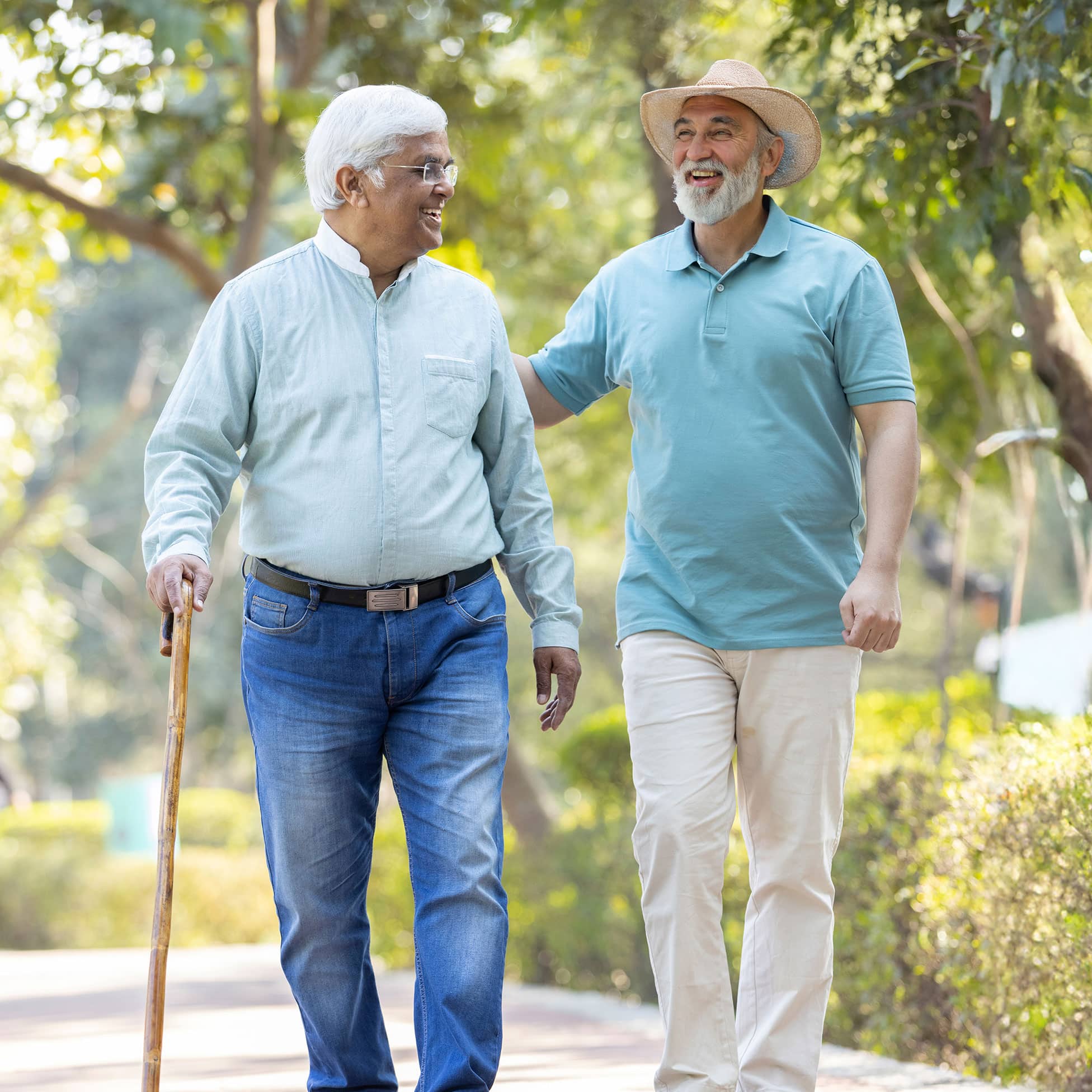 July is National Anti-Boredom Month. For our senior loved ones, especially those spending more time at home, boredom can sometimes creep in, turning quiet moments into feelings of loneliness or disinterest. It’s more than just “having nothing to do” – a lack of engagement can truly impact an older adult’s well-being. This special month highlights the importance of engagement and meaningful activity in boosting spirits and maintaining overall health. In this Seniors Helping Seniors® blog, we’ll discuss why combating boredom is crucial for senior well-being and offer inspiring ideas to help your loved one stay engaged, vibrant, and connected all year long.
 The Fourth of July is here, seniors! We’re excited for patriotic parades, delicious backyard barbecues, and of course lively firework shows. While these spectacular displays are a highlight of the holiday, the celebratory sounds can present a challenge for mature adults with sensitive hearing. The Seniors Helping Seniors® team wants to ensure your loved ones can comfortably enjoy the festivities. That’s why we’ve put together simple tips to protect their ears and offer alternative ways to celebrate, ensuring everyone has a safe and happy Independence Day. Keep reading for our full guide to senior hearing protection this Fourth of July.
 Namaste seniors! The Seniors Helping Seniors® team is excited to shine a light on International Yoga Day this June. Yoga is a gentle, low-impact form of physical and mental exercise that improves strength, flexibility, balance, and peace of mind at any age. Whether you’re looking to improve your balance, strengthen your core, or simply enjoy a few quiet moments of mindfulness, yoga is a fantastic option. It’s non-strenuous, adaptable to all mobility levels, and can even be done in a chair. From easing joint pain to reducing stress, yoga encourages movement that feels good and supports your overall well-being.
 Happy National Best Friends Day from all of us at the Seniors Helping Seniors® team! This special day is the perfect opportunity to celebrate the friendships that bring us joy, laughter, and love; especially the kind that grow between seniors and caregivers. At its core, our mission is about genuine connection. We’ve seen time and again how a supportive Seniors Helping Seniors® caregiver can become a trusted companion, creating a bond that uplifts both individuals and enriches daily life. For many seniors, having a friend they can count on makes all the difference in staying active, engaged, and emotionally well.
 On the last Wednesday of May, thousands of older adults across the country participate in National Senior Health & Fitness Day. This day encourages seniors to make fitness a part of their lives, with fun, low-pressure activities designed to keep you moving. The Seniors Helping Seniors® team sees it as a joyful reminder that taking care of your body and mind is always a good idea and is always worth celebrating. From walking and swimming to gentle stretching, there are plenty of gentle ways to get in some movement that feels good and helps keep you strong, healthy, and independent. Keep reading for our top exercise ideas for seniors to try out on National Senior Health & Fitness Day.
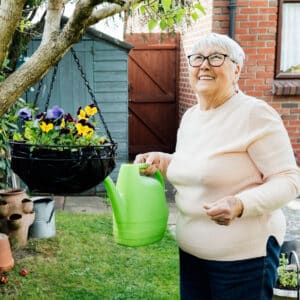 As springtime blossoms, digging into the joys of gardening is a great way to welcome the season. Many seniors can find comfort and peace in the process of planting a seed and watching it grow. For older adults, gardening is more than just a relaxing pastime. It’s a delightful way to stay active, enjoy the fresh air, and brighten each day with purpose. Whether you have a spacious backyard or just a sunny windowsill, this fun and accessible hobby can be easily adapted to your space and ability. In this Seniors Helping Seniors® blog, we’ll discuss how gardening supports healthy aging and share tips to help you, or your loved one, create a manageable garden that brings color and joy to everyday life.
 Aging comes with its fair share of challenges. Health concerns, changes in routines, and everyday worries add up, making stress common for many seniors. If you’re feeling overwhelmed, know that you’re not alone. April is Stress Awareness Month, a gentle reminder to put your well-being first. While a little stress is good for the body, too much can leave you feeling exhausted and anxious. Whether it’s a racing mind at bedtime, tension in your shoulders, or feeling overwhelmed by the “what ifs,” stress has a sneaky way of creeping in. The key is finding small, manageable ways to invite more calm into your daily life. From simple relaxation techniques to leaning on a trusted companion, there are plenty of ways to de-stress and feel your best.
 April is Parkinson’s Awareness Month, a time to educate, support, and empower those living with Parkinson’s disease. Whether you or a loved one have been touched by this disease, know that you’re not alone. With Parkinson’s, you know that every day comes with unique challenges, but also opportunities to find joy, connection, and strength. The Seniors Helping Seniors® team is honored to provide compassionate, one-on-one support that brings stability, confidence, and connection to those living with this movement disorder. This month, we celebrate their strength and share practical ways to help navigate the journey with grace, dignity, and joy.
 Recognized every March, American Red Cross Month draws attention to the organization’s humanitarian work and commitment to communities around the world in times of crisis. With over 65,000 crisis responses each year, the Red Cross reminds us all—especially seniors—of the importance of emergency preparedness. Seniors can take proactive measures to prepare for unexpected situations by having a well-stocked emergency kit at home. To help you get started, the Seniors Helping Seniors® team has created an easy-to-follow guide to help you in gathering the essentials for an effective emergency kit.
 Have you heard? Today is World Hearing Day. This annual awareness campaign, led by the World Health Organization, highlights the importance of protecting your hearing and recognizing early signs of hearing loss. It’s the perfect time to talk about ear health and why protecting your hearing matters for seniors. According to Johns Hopkins Medicine, about 1 in 3 adults between 65 and 74 experience some form of hearing loss. But because symptoms appear gradually, many seniors don’t realize the changes right away.
 Today, we celebrate the heart and soul of the Seniors Helping Seniors® team: our incredible caregivers! National Caregivers Day is a moment to recognize these compassionate individuals who pour their hearts into supporting seniors and their loved ones. Whether preparing meals, lending a listening ear, or offering companionship, they’re more than caregivers—they’re trusted friends who empower seniors to thrive at home.
 Your heart is one of your body’s hardest-working muscles. It pumps oxygen-rich blood to all your vital organs, keeping them functioning properly. Recognized each February, American Heart Month reminds seniors just how important it is to keep their hearts in tip-top shape. Now is the perfect time to check in with your ticker and adopt simple, healthy habits that can lower your risk of heart disease and keep your heart strong. The Seniors Helping Seniors® team has put together a list of easy-to-follow tips that’ll help you stay heart-smart all year long. Continue reading for our advice to keep your heart in rhythm this month and beyond.
 The internet is an incredible tool for staying connected, informed, and entertained, but it’s not without its risks—especially for seniors. Cybercriminals often target older adults with scams, phony emails, and other online threats. Staying safe online doesn’t require technical expertise—just a little awareness and a few simple precautions.
 Happy New Year! 2025 is here, and it’s the perfect time for seniors to prioritize health and wellness. Whether you’ve set big fitness goals or just want to feel your best, scheduling your annual health checkup is a fantastic first step for every senior. The Seniors Helping Seniors® team believes proactive care is the key to staying healthy and happy all year long.
 Winter’s cozy charm comes with shorter days and cooler weather—and for some seniors, it can bring Seasonal Affective Disorder (SAD). This winter-linked depression can dampen one’s mood, making it hard to enjoy the season’s comforts. The Seniors Helping Seniors® team is committed to helping your loved ones thrive no matter the season. Learn what SAD is, how it affects seniors, and our top tips for boosting spirits during winter’s chill.
 The holidays have arrived, bringing winter weather, sparkling lights, and the quest for that perfect gift. Stumped on what to get the senior in your life? We’ve got you covered. The Seniors Helping Seniors® team has curated a list of thoughtful gift ideas for seniors. Whether they love exploring new hobbies, staying cozy, or just enjoying the festive season, you’ll find inspiration here. Keep reading to unwrap the best holiday gifts for seniors and make their season truly special!
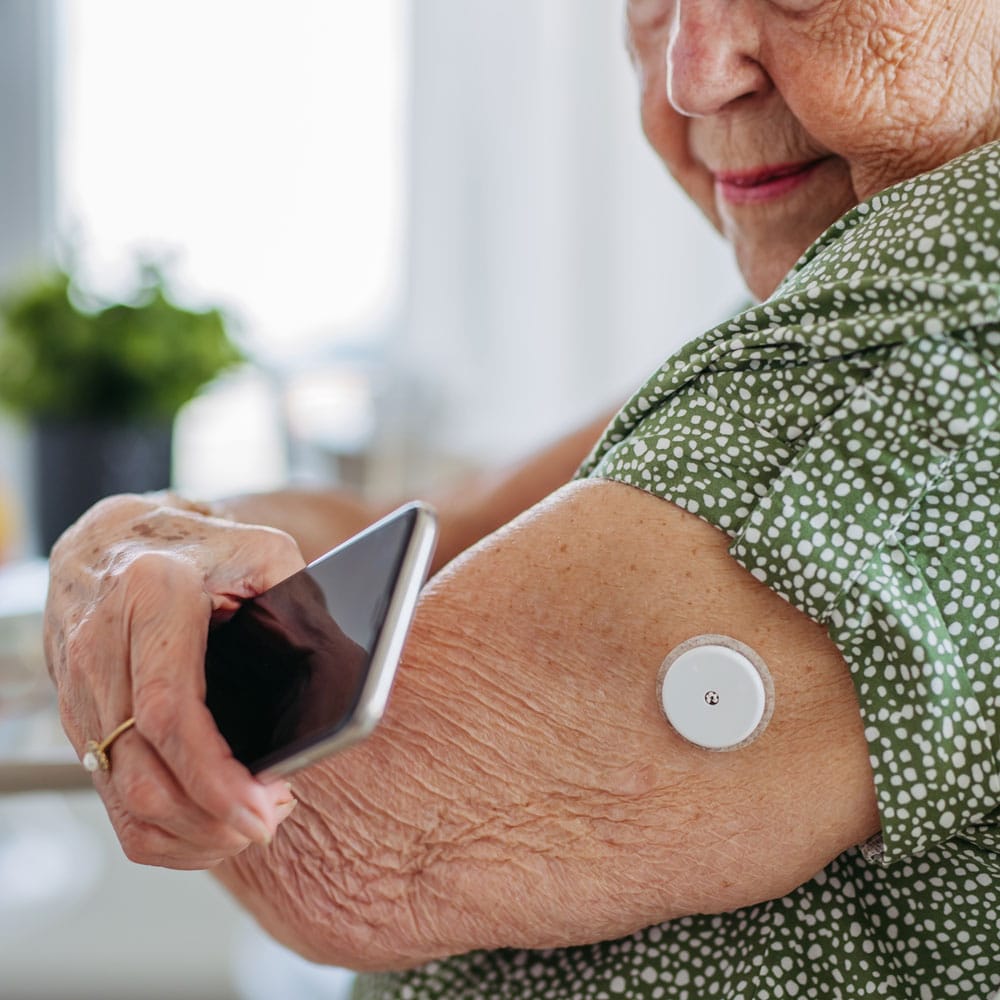 The holidays bring cherished time with loved ones, joyful gatherings, and, of course, plenty of delicious food. But for seniors managing diabetes, holiday treats and big meals can be a challenge. With holiday spreads often packed with carbs, sugars, and rich dishes, it can be tempting to let healthy routines slide. But you don’t have to opt out of the festivities completely.



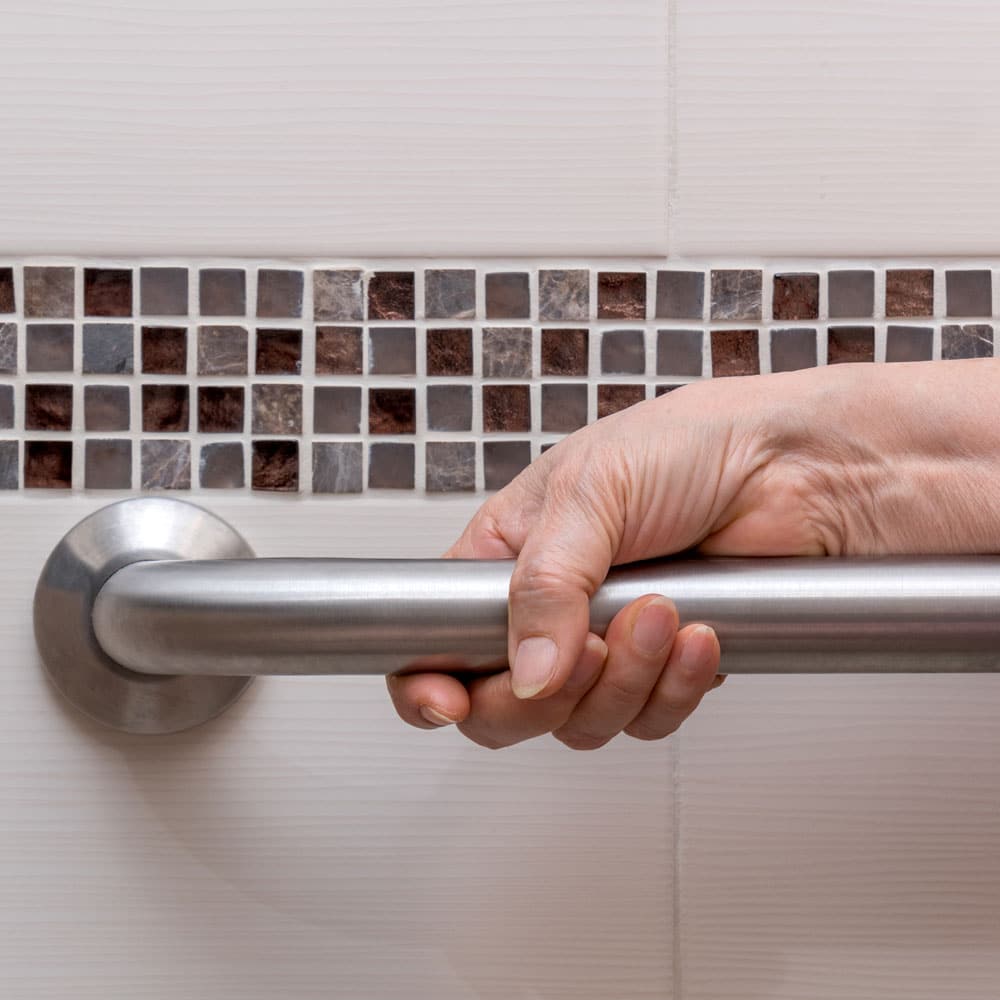 Tis the season for joy, togetherness, and… fall hazards for seniors. As the holidays approach, so do unique risks for falls that can make this time of year a little less merry for older adults. Festive lights, slick surfaces, and that extra holiday clutter can turn even familiar spaces into potential fall zones.
 Halloween isn’t just for kids; it’s a fantastic opportunity for seniors to embrace the fun and festivities of the season. The spooky holiday offers a wonderful opportunity for seniors to connect with family and friends through enjoyable activities that brighten their spirits. Whether it’s crafting seasonal decorations, baking delicious treats, or enjoying classic Halloween movies, there are countless ways to create lasting memories. The Seniors Helping Seniors® team came up with a list of thrilling ideas to help you have a hauntingly good time this Halloween.
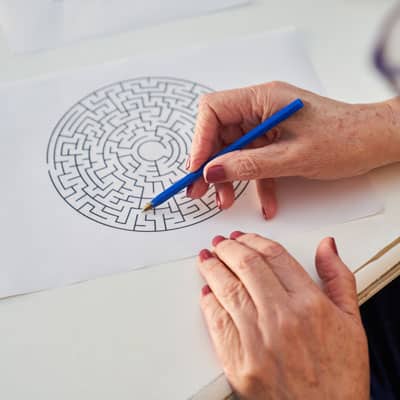 Fall is in the air, bringing with it pumpkin patch adventures, apple picking, baking sweet treats, and watching the leaves turn vibrant shades of red and gold. While this time of year offers plenty of seasonal excitement, it’s also important to focus on mental well-being—especially for seniors. The shorter days and cooler temperatures can disrupt daily routines, making it harder to stay active and get outside. The Seniors Helping Seniors® team understands these challenges and wants to help you stay happy and healthy this season. That’s why we’ve put together a list of simple tips to beat the seasonal blues. Keep reading for our advice on staying positive, active, and engaged this season.
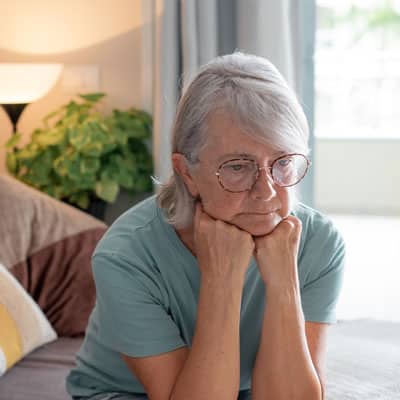 As the summer days fade and September welcomes a new season, many seniors find themselves adjusting to changing routines and shorter days. This shift can sometimes bring on feelings of social isolation, which can impact mental, emotional, and physical well-being. The Seniors Helping Seniors® team understands how challenging it can be to stay connected with loved ones, especially if they’re far away.
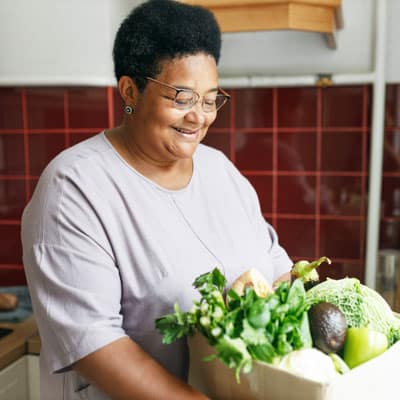 As fall arrives, we say farewell to the zesty, bright flavors of summer and embrace the warm, comforting tastes of autumn. Whether you’re a pumpkin spice enthusiast or a fan of fresh squash and zucchini from your local farmer’s market, there’s a fall recipe for every palate. This September, the Seniors Helping Seniors® team is here to help you enjoy the season with simple, healthy recipes that complement the cozy, cooler days. Read on to discover the benefits of a healthy fall diet for seniors and check out our top fall recipes!
 August marks the end of carefree summer days and the beginning of the back-to-school rush. As children nationwide squeeze in their last fun moments in the sun, parents and guardians scramble to prepare everything for a successful academic year. It’s a busy time for families, from buying art supplies for elementary students to sorting out tech gear for high schoolers.
 Birdwatching is more than just a delightful pastime—it’s a wonderful way to connect with nature, boost your mood, and enjoy some gentle outdoor activity. For seniors, creating a backyard haven specifically designed for birdwatching can offer endless hours of joy and relaxation.
 Welcome to the future of exploration, where travel is just a click away! Thanks to the power of virtual museum tours, discovering the world has never been more accessible or exciting! These virtual tours offer a fantastic opportunity to explore global treasures, stimulate your mind, and enjoy a vibrant cultural experience—all from the comfort of your home. Picture yourself strolling through the halls of the Louvre, admiring the Mona Lisa, or delving into ancient artifacts at the British Museum without leaving your favorite armchair.
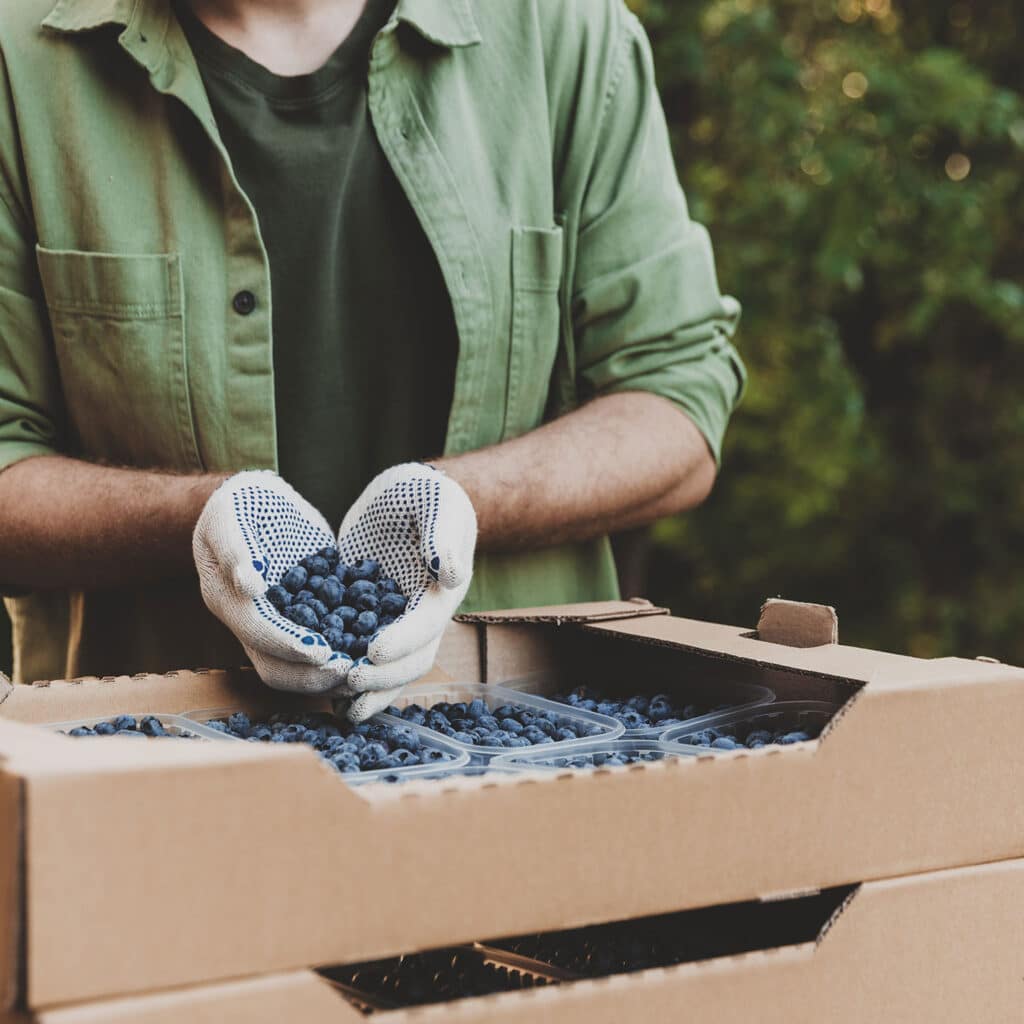 This July, the Seniors Helping Seniors® family is happy to be feeling blue – that’s because it’s National Blueberry Month. These little blue gems are packed with flavor, nutrients, and antioxidants, making them a delicious super fruit with incredible health benefits for seniors. Reaching their peak ripeness in the summer heat, now is the perfect time to incorporate them into your diet. Whether you love them in baked goods, sprinkled over a summer salad, or as a solo snack, we’ve gathered our favorite blueberry recipes just for you.
 The Scenario
 Ah, the dog days of summer! And no, we’re not just talking about the heat. Longer daylight hours and warm weather make it the ideal season for fun-filled adventures with your furry friends. On days that are too nice to stay indoors, why not have some fun in the sun with your dog (or daring cat)?
 Did you drink any water today? Summer weather can be intense, with temperatures often soaring into the 90s and humidity making it feel even hotter. It’s easy to get dehydrated quickly, especially when you’re out enjoying the sunshine. If you want to increase your water intake, the Seniors Helping Seniors® team has your back with some delightful tips to help you stay hydrated all summer.
 Every year, on the last Monday of May, citizens celebrate Memorial Day to honor the brave US service members who sacrificed their lives for our country. It’s an impactful opportunity to remember and appreciate their selflessness and dedication.
 This May, join the Seniors Helping Seniors® team in recognizing Older Americans Month. To celebrate, we want to share expert advice and tips to help seniors age healthily and happily at home. This article suggests simple lifestyle adjustments that make home life better for seniors.
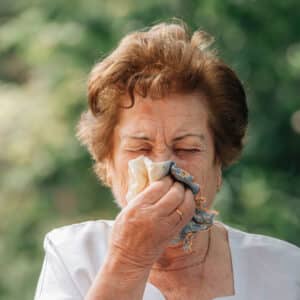 April showers bring May flowers… and a dusting of pollen. While we welcome the arrival of warmer days and sunny skies, many Seniors Helping Seniors® clients face symptoms from springtime allergies. As we age, weakened immune systems or pre-existing health conditions can make older adults more vulnerable to allergies. With the allergy season peaking in April, symptoms like congestion, itchiness, and sneezing often come in full swing. If you’ve been struck by spring fever this year, the Seniors Helping Seniors® team wants to help. In this blog, we’ll review seven senior-focused tips for navigating the allergy season. Keep reading to discover our best advice for enjoying the beauty of spring while minimizing the annoying symptoms of allergies.
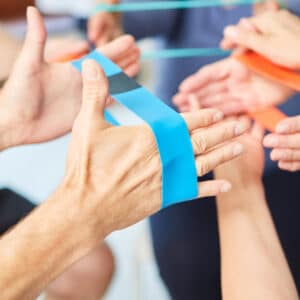 Celebrated each April, National Occupational Therapy Month recognizes the valuable contributions of this specialized form of healthcare. While Seniors Helping Seniors® in-home care services provide daily support for those we serve, occupational therapy is another method that helps seniors maintain their independence. In this Seniors Helping Seniors® blog, we’ll review the field of occupational therapy and explore the ways it can enhance the lives of seniors. Keep reading to learn more about National Occupational Therapy Month and the holistic advantages your Seniors Helping Seniors® caregiver can help provide and practice.
 Seniors, it’s time to make every dollar count and thrive financially with our Seniors Helping Seniors® exclusive budgeting tips. In today’s rapidly evolving economic landscape, seniors in the southern region must manage their finances wisely, to ensure a comfortable and stable future. In this blog, we will explore various practical strategies and resources. From taking advantage of senior discounts offered at grocery stores to utilizing budgeting apps and automating savings, we’ll cover all the essentials. Whether you’re looking to extend your retirement savings, protect your investments, or explore sustainable energy solutions such as solar panels, our guide is here to help. Join us as we embark on a journey to empower seniors with the knowledge and tools necessary to achieve financial well-being and peace of mind. Keep reading and let’s dive in!
 How did you sleep last night? The Seniors Helping Seniors® family is celebrating National Sleep Awareness Week from March 10th to March 16th. It’s an excellent opportunity to reflect on your habits and consider any adjustments you can make to enhance the quality of your sleep.
 Even though Valentine’s Day has passed, there are no rules on when you can show gratitude toward those who matter most. Throughout the year, Seniors Helping Seniors® in-home care services demonstrate that Love is in our Care®. We do this with heartfelt acts of service and compassion. Our caregivers work tirelessly to provide exceptional assistance to seniors nationwide, and we cannot thank them enough for their hard work!
 While physical fitness is crucial for seniors’ health, nurturing one’s mind is equally as important. Brain exercises enhance cognitive abilities, memory, and focus, similar to how diverse workouts target specific muscle groups. At Seniors Helping Seniors® in-home care services, we understand the unique needs of our clients in the Northeast. That’s why we’ve gathered eight enjoyable memory games designed to improve mental skills and keep the mind agile. Read on to discover these delightful, brain-boosting activities and let’s play!
 Every passing year leaves behind its own set of special memories. The Seniors Helping Seniors® family loves helping those we serve to reflect on the past and document its most meaningful parts. The result is a tangible keepsake showcasing our clients’ treasured moments and personal growth.
 The holiday season calls for joy, celebration, and connection! Technology can help increase accessibility during this festive period; however, many seniors feel overwhelmed navigating the digital space. To help our clients stay active and engaged during the holiday season, the Seniors Helping Seniors® team has put together a handy guide with easy-to-follow tech tips designed to elevate every experience during this special time of year.
 Autumn represents change and reflection, making it the perfect backdrop for seniors to embrace the therapeutic benefits of music. During this transformative season, sentimental and nostalgic feelings often arise. Creating an uplifting fall song playlist can be a cathartic way to express emotions. In this blog post, we explore music’s profound impact on seniors’ emotional, physical, and social well-being. Continue reading for a few Seniors Helping Seniors® recommendations on curating an inspiring autumn soundtrack.
 The Seniors Helping Seniors® family takes pride in facilitating meaningful, lasting connections between caregivers, clients, and families. We base our mission around the importance of forming a positive relationship between those giving and receiving in-home senior care.
 Crafting beautiful and festive pumpkins doesn’t have to involve sharp tools and a big mess to clean up. For seniors in the Heartland looking for an orderly and safer way to decorate their fall gourds, the Seniors Helping Seniors® family has gathered a range of creative options that promise all the charm of pumpkin decoration without the fuss.
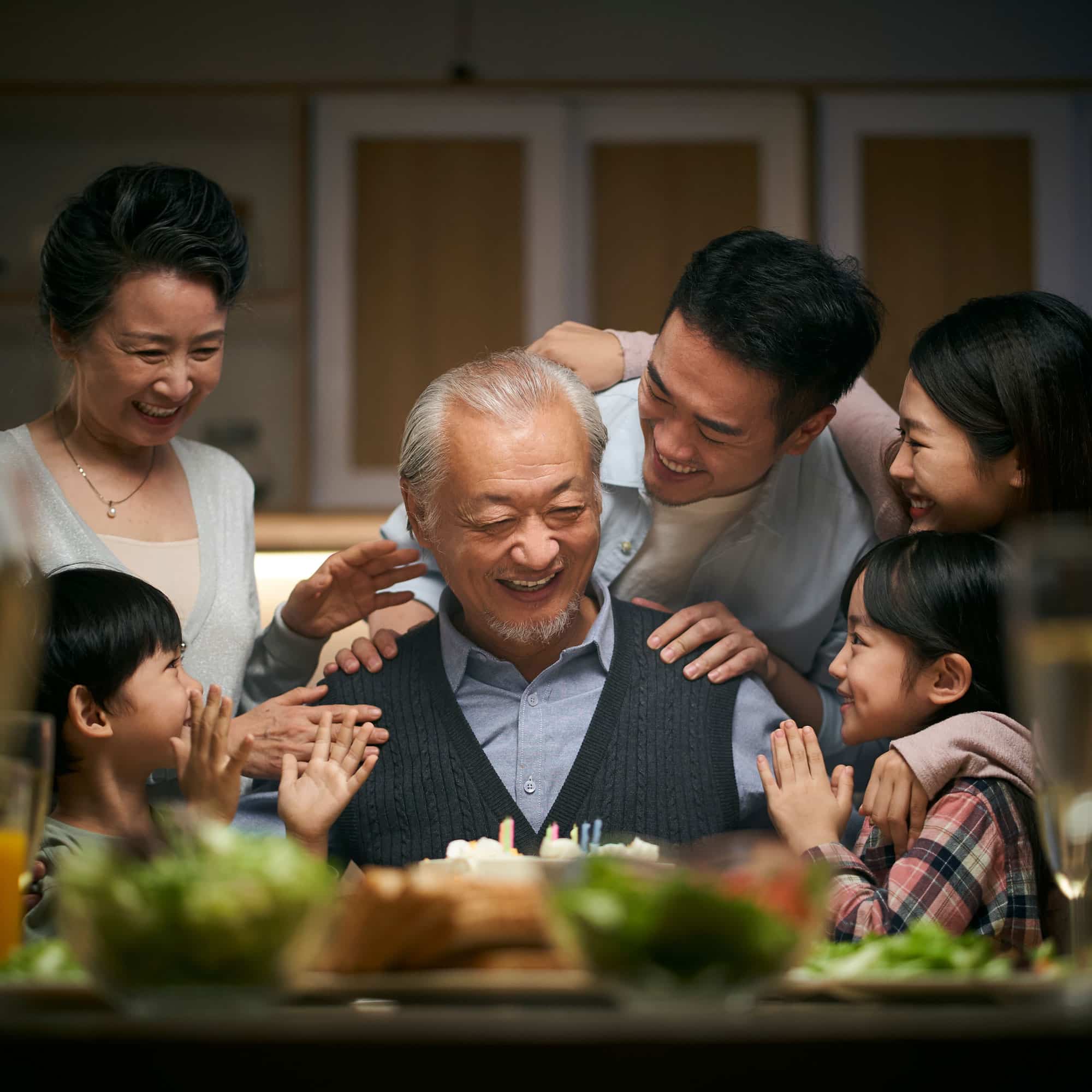 Growing older can be an amazing experience, and having your aging parents involved in your life and your children’s can be an enriching and wonderful thing for all concerned. However, as our parents move through their golden years, some additional challenges may emerge around
  Healthy Aging Month, celebrated every September, brings awareness to the physical and mental changes seniors experience as they age. This month-long observance also reminds seniors to care for physical and mental health throughout the golden years. Seniors Helping Seniors® in-home care services enable older adults to lead a vibrant and fulfilling life. A kind hand and a positive perspective will help you or your senior loved one remain connected, curious, and content as you navigate the later years.
 Everyone views aging differently. To some, the idea of getting older is scary. Others embrace it with a youthful ferocity! At the end of the day, your mindset is more important than you think. It plays a large part in the quality of life experienced throughout your Golden Years.
Seniors Helping Seniors® in-home care services is committed to inspiring others to age gracefully and independently. One of the ways we encourage our care recipients to make the most of their senior years is by promoting “positive aging” techniques.
What Is Positive Aging?
Positive aging is all about mindset. It refers to the idea that if you maintain an optimistic outlook in your senior years — coupled with healthy habits, social engagement, and mental stimulation — you’ll feel good about yourself, remain physically active, and continue to engage fully in all aspects of life!
Incorporating positive aging techniques into your daily routine might sound difficult, but it’s easier than you think. Of course, our Seniors Helping Seniors® caregivers will stand by your side, ready to help you create and practice a program that will do your mind and body good!
Now that you know why positive aging is important, let’s discuss five simple ways Seniors Helping Seniors® care receivers can work the power of positivity into everyday life!
1 – Embrace Your Age!
Age is just a number, after all. Maintaining a youthful outlook and adapting to your changing abilities can help you accept that growing older is a normal part of life – one that every person (including your Seniors Helping Seniors® caregiver) is attempting to navigate.
The first step in discovering the power of positive aging is to accept the aging process by working with it and not against it. This makes it easier to cope with the challenges this stage of life presents, and instead, start looking forward to the possibilities!
2 – Make Fitness A Priority
Just thirty minutes of daily exercise can revolutionize your health. It can help you look and feel younger, complete tasks more easily, and prevent accidents and falls – all of which are essential for maintaining a positive outlook. Try the following Seniors Helping Seniors® suggestions to jumpstart your fitness routine:
Go for a walk
Walking is an excellent way to get the blood pumping while improving heart health, boosting mental clarity, and lowering blood pressure. Commit to a daily walk with a friend, family member, or your Seniors Helping Seniors® companion!
Explore senior fitness classes
There are plenty of exercise options for active seniors! Look into what classes your local senior center, gym, or fitness studio offers. Activities like water aerobics, chair yoga, and body weight workouts are popular among seniors and provide low impact workouts that will still make you feel the burn!
Don’t get discouraged if it’s tough to keep up at first. Your workouts will become easier as you build strength. Be consistent and you’ll soon look forward to your daily exercise regimen!
3 – Stay Connected
Building and maintaining close relationships is also essential to a positive aging plan. Doing so can combat loneliness, improve self-esteem, and foster a sense of belonging. Not sure where to begin? Try one of the following to make new friends or reconnect with some old pals:
Everyone views aging differently. To some, the idea of getting older is scary. Others embrace it with a youthful ferocity! At the end of the day, your mindset is more important than you think. It plays a large part in the quality of life experienced throughout your Golden Years.
Seniors Helping Seniors® in-home care services is committed to inspiring others to age gracefully and independently. One of the ways we encourage our care recipients to make the most of their senior years is by promoting “positive aging” techniques.
What Is Positive Aging?
Positive aging is all about mindset. It refers to the idea that if you maintain an optimistic outlook in your senior years — coupled with healthy habits, social engagement, and mental stimulation — you’ll feel good about yourself, remain physically active, and continue to engage fully in all aspects of life!
Incorporating positive aging techniques into your daily routine might sound difficult, but it’s easier than you think. Of course, our Seniors Helping Seniors® caregivers will stand by your side, ready to help you create and practice a program that will do your mind and body good!
Now that you know why positive aging is important, let’s discuss five simple ways Seniors Helping Seniors® care receivers can work the power of positivity into everyday life!
1 – Embrace Your Age!
Age is just a number, after all. Maintaining a youthful outlook and adapting to your changing abilities can help you accept that growing older is a normal part of life – one that every person (including your Seniors Helping Seniors® caregiver) is attempting to navigate.
The first step in discovering the power of positive aging is to accept the aging process by working with it and not against it. This makes it easier to cope with the challenges this stage of life presents, and instead, start looking forward to the possibilities!
2 – Make Fitness A Priority
Just thirty minutes of daily exercise can revolutionize your health. It can help you look and feel younger, complete tasks more easily, and prevent accidents and falls – all of which are essential for maintaining a positive outlook. Try the following Seniors Helping Seniors® suggestions to jumpstart your fitness routine:
Go for a walk
Walking is an excellent way to get the blood pumping while improving heart health, boosting mental clarity, and lowering blood pressure. Commit to a daily walk with a friend, family member, or your Seniors Helping Seniors® companion!
Explore senior fitness classes
There are plenty of exercise options for active seniors! Look into what classes your local senior center, gym, or fitness studio offers. Activities like water aerobics, chair yoga, and body weight workouts are popular among seniors and provide low impact workouts that will still make you feel the burn!
Don’t get discouraged if it’s tough to keep up at first. Your workouts will become easier as you build strength. Be consistent and you’ll soon look forward to your daily exercise regimen!
3 – Stay Connected
Building and maintaining close relationships is also essential to a positive aging plan. Doing so can combat loneliness, improve self-esteem, and foster a sense of belonging. Not sure where to begin? Try one of the following to make new friends or reconnect with some old pals:

 The Seniors Helping Seniors® family loves seeing our care receivers enjoy the best parts of each season. With summer fast approaching in the Northeast, it will soon be time to break out the shorts, light the citronella candle, and dust off the patio table for the season’s first outdoor feast!
 April is National Occupational Therapy Month and Seniors Helping Seniors® in-home care services is taking a moment to champion this life-changing treatment. Occupational therapy (OT) helps people of all ages maintain, or regain, the skills necessary to perform everyday activities.




















 The lush, feather-like fronds of a Boston fern provide a captivating pop of color in any home. This hearty plant, whose lineage dates back hundreds of millions of years, is a survivor and an easy-to-care-for addition to your space.
 Peace lilies produce breathtaking white flowers that pop against their shiny, dark green leaves. Often referred to as “closet plants,” they don’t need much light to thrive, making them a fantastic choice for the darker corners of your home.
 Best known for its evocative-smelling white flowers, the gardenia is a stunning houseplant that is sure to spark conversation! This plant is perfect for South Florida – where nighttime temperatures rarely dip below 60° — you can even move this beauty outside if it gets too big for your space. After all, some can grow to six feet or taller!
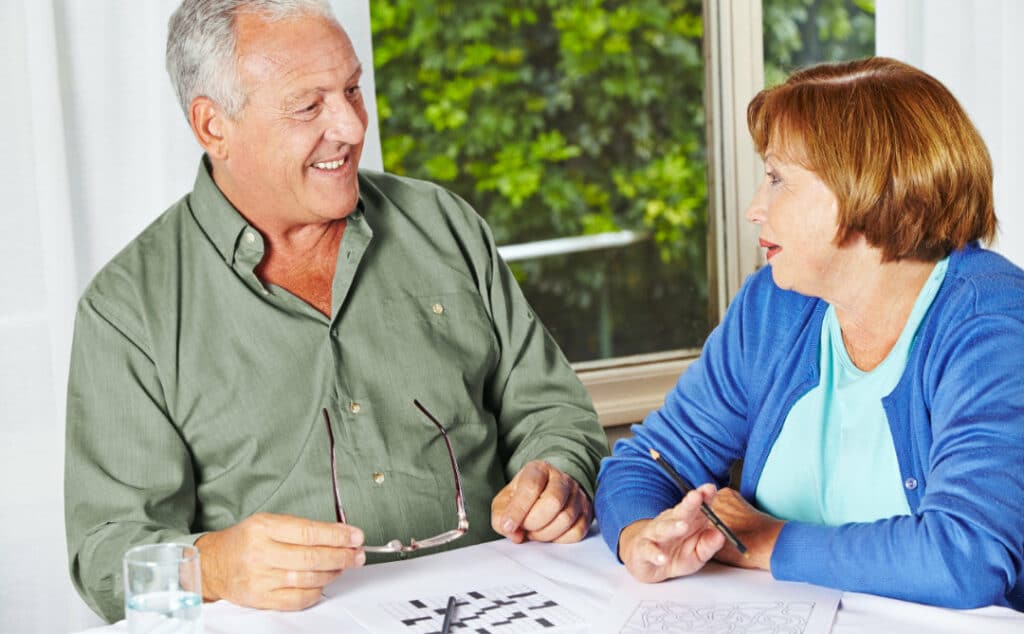





 The Scenario














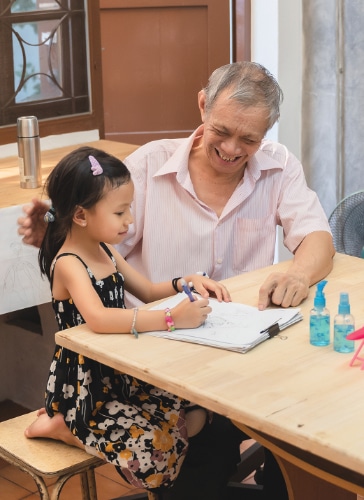 Especially as adults are living longer and, for the most part, healthier lives, it is important to help give meaning to those later years. Eighty-three percent of older adults have expressed a desire to volunteer or perform community service to continue being a viable part of society. Intergenerational programs can help fill a void, both for seniors and youth.
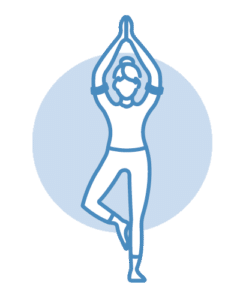
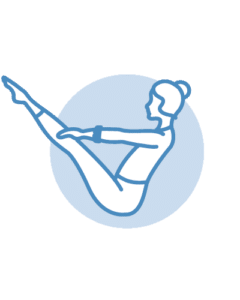
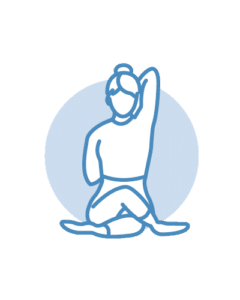
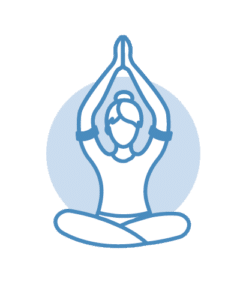






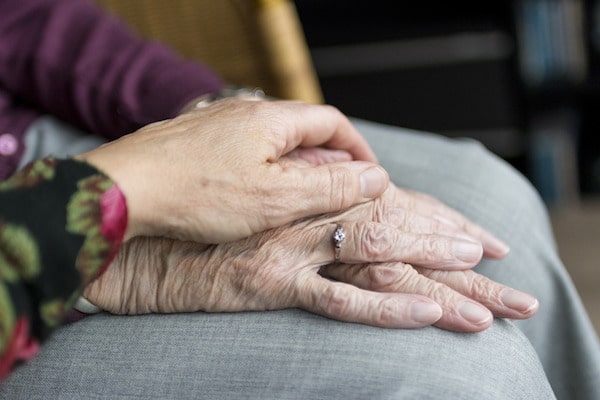



 Falls are among the biggest risks that seniors face in their daily lives. In fact, the National Council on Aging
  Driving is a privilege and an important aspect of independent living. Owning or having access to a vehicle gives people the opportunity to go to work, buy groceries and other necessities, and visit family and friends. While many people take driving for granted, it’s a task that’s anything but routine. Safe driving requires fast reflexes, clear vision, sound judgment, and a good memory.


