



The Scoop: News & Blog

The Seniors Helping Seniors® East Valley story continues to evolve, and we’re excited to share with you all the ways we’re growing our mission! As we regularly add chapters to our beautiful care narrative, we invite you to check in often for our latest blogs, news and tips on how we’re Bringing Love into the lives of Seniors with Dignity and Respect®.

Benefits of Choosing a Reputable Home Care Agency in Gilbert

Seniors Helping Seniors® 15 Feb 2026

Caring for an aging parent or loved one at home can be both meaningful and a little overwhelming at times. Many families in Gilbert want their loved ones to stay where they’re most comfortable, at home, but find that keeping up with daily needs slowly becomes harder. That’s when some extra support can really help.

A caring and reliable home care agency in Gilbert, AZ can give families more peace of mind and help seniors stay safe and connected each day. Instead of doing everything on your own or worrying about what might be missed, having the right people by your side makes all the difference.

Let’s talk about what to look for in a home care agency and how the right kind of help can make daily life feel a whole lot smoother, for everyone involved.

What to Look for in a Trustworthy Home Care Agency

Not all care agencies are the same. A good one will feel like a natural part of your family’s routine, offering support that fits your needs without making things feel too formal or rushed. The best ones treat your loved one not just as a task to manage, but as a person to connect with.

• Caregivers should be kind, patient, and dependable. It helps when they’ve walked a similar path and understand what aging feels like. That experience can make visits warmer and more personal.

• Look for agencies that match caregivers with care receivers based on personalities, not just schedules. That kind of fit matters a lot when it comes to building trust and making each day flow with more ease.

• A strong care agency can grow with your needs. Whether it’s a few hours of help each week or a regular daily routine, they should be able to adjust support without making the transition feel stressful.

Families deserve to know the people coming into their home are prepared, respectful, and truly care. When that happens, care doesn’t feel like an outside service, it feels like a natural support system.

A reputable care agency will also offer transparency in its processes and have clear communication channels. This means families can ask questions, share concerns, and receive timely feedback so that everyone remains on the same page. Openness and ongoing communication build trust, which is vital when welcoming someone into your loved one’s life and home.

It might also help to pay attention to the training and support caregivers receive from the agency. Teams backed by ongoing learning and strong leadership are more prepared to adapt to new situations and challenges, which gives families additional reassurance.

How Professional Support Helps Family Caregivers

Many family members do their best to handle everything on their own. But even with good intentions, it’s easy to feel stretched thin or unsure if everything’s being managed well. That’s where outside support can really help.

• Having a caregiver step in gives family members time to rest, handle work, or just breathe.

• Knowing someone is there to help during the day brings comfort. It means your loved one isn’t alone while you’re away or busy with other parts of life.

• Routines like meals, hygiene, or daily medication get handled gently and consistently. That adds stability and prevents small things from being forgotten or rushed.

Being a caregiver is about more than just showing up. It’s about being present, calm, and steady, things that get harder when family members are exhausted or balancing too much at once. Sharing the responsibility makes room for better balance and less worry.

Family caregivers sometimes juggle many tasks, and balancing care with jobs, parenting, or personal needs gets challenging. The presence of a reliable caregiver can help with time management, give peace of mind during errands, or allow for a break when needed. Reliable support makes it easier for everyone in the family to maintain their energy and focus.

Beyond practical relief, professional caregivers provide gentle emotional support. Their experience in similar situations allows them to offer comfort and advice. This can relieve stress for family members, as they know their loved one’s needs are understood and met with genuine compassion.

Why Local Knowledge and Consistency Matter

When a care agency is based in the same community where you live, they understand the little things that make life easier for the people they support. That kind of local knowledge isn’t something you can teach in a quick visit.

• A home care agency in Gilbert, AZ knows the local rhythm, from winter’s mild afternoons to the quiet of early mornings. That makes it easier to build calm, predictable routines.

• Familiar caregivers tend to stay longer and form real relationships. Seniors notice who they can count on, and that trust takes time to build.

• Local traditions or small seasonal details, like enjoying lunch outside in February, matter. A local caregiver can help bring those simple joys into the week.

Consistency leads to comfort. When the same faces visit regularly and understand the area well, care becomes a peaceful part of home life rather than something that jars the routine.

A deeper understanding of the community, including familiar faces and places, helps seniors feel more connected to their surroundings. Caregivers who live nearby might have attended the same local events or visited the same parks, giving them more to talk about with seniors and strengthening bonds.

Consistency in caregiving also means seniors are more likely to anticipate and enjoy their routines. This familiarity brings reassurance each day, allowing seniors to feel more in control, happier, and confident in accepting help.

Creating a Calmer, Safer Home Environment

One of the best things a caregiver can offer is a sense of calm. A steady presence helps create a space that feels secure and keeps small tasks from becoming big worries.

• Keeping floors clear and pathways safe helps prevent falls. A second set of eyes around the home can catch things others might miss.

• Help with meals, reminders for medicine, and daily routines like getting dressed or washing up become easier when done at a relaxed, comfortable pace.

• Companionship is just as important as practical help. A friendly conversation, a puzzle, or shared memories bring meaning and connection to the day.

All of these little things help reduce stress. They give seniors a better chance at enjoying each day, not just getting through it.

A peaceful home environment allows seniors to rest better, enjoy meals, and participate in hobbies, all at a pace that suits their comfort. This not only enhances well-being but also supports independence.

Caregivers can also work with the family to adjust the home as needs change, suggesting new routines or small changes that make a big difference. For example, a caregiver might recommend new lighting, organizing a medicine box, or setting up a comfortable reading spot to encourage relaxation and safety at home.

The Difference the Right Help Can Make

When care feels personal and dependable, daily life becomes more steady and less overwhelming. Seniors can relax into routines that feel familiar, while families feel supported instead of stretched.

Choosing a strong, trusted agency allows everyone involved to breathe a little easier. With the right match and a thoughtful approach, home stays a place of comfort, not a source of worry. A simple rhythm, kind presence, and respectful support go a long way, especially when they’re backed by people who genuinely care.

Reliable support makes it possible for seniors to look forward to each new day, knowing help will arrive as expected. For families, knowing their loved one is nurtured and respected turns daily concerns into moments of gratitude.

At Seniors Helping Seniors® East Valley, we understand the importance of finding the right support for your loved ones. Our team is dedicated to providing companion care in Gilbert, AZ that ensures seniors feel connected and secure. Let us help create a nurturing environment where your family feels confident and at ease. Reach out today to discover how we can make a positive difference in your loved one’s life.

The post Benefits of Choosing a Reputable Home Care Agency in Gilbert appeared first on Seniors Helping Seniors.

The Role of Elderly Companion Care in Aging Gracefully

Seniors Helping Seniors® 08 Feb 2026

As we grow older, many of us want the same simple things: comfort, connection, and the chance to keep doing what we enjoy. Life may slow down a little, and some tasks may take longer, but that does not mean giving up the freedom we have built over the years. For families here in Gilbert, having the right kind of help can make a world of difference.

That is where elderly companion care in Gilbert, AZ comes in. It is about more than just helping hands. It is someone to talk to, someone to laugh with, and someone to rely on. When that kind of support is part of everyday life, aging at home starts to feel easier, and lighter too.

What Companion Care Really Means

When we talk about companion care, we do not mean medical support or large caregiving jobs. It is much simpler than that. Companion care is about being present with someone, spending time together in ways that feel natural and uplifting.

• Talking about memories or hobbies

• Taking short walks in the neighborhood or sitting together outside

• Helping with puzzles, games, or crafts

• Listening to music or sharing a quiet moment

Having someone nearby to connect with during the day changes how the home feels. It brings in new energy without adding pressure. For many seniors, that small shift makes daily living much brighter.

How Companionship Helps Seniors Stay Independent

When familiar faces become part of the routine, seniors start to feel more confident managing their day. It is not about doing everything for them, but about giving just enough support so they can keep doing what matters to them.

• Companions can help with tidying up or fixing a light lunch

• They offer a steady arm when walking or a reminder when it is time to take medicine

• These small things add up, giving seniors more control over their daily lives

Staying independent does not always mean doing everything alone. Sometimes, the right kind of help is what makes independence possible. When that help comes from someone they trust, it often feels more like friendship than care.

The Emotional Side of Growing Older

Aging can be quiet in ways we do not always talk about. Friends move away, partners pass on, and grown children stay busy with their own lives. Moments that used to be shared are now spent alone, and for some seniors, that quiet can feel too heavy.

That is where companionship can make a real difference. Someone checking in regularly gives purpose and rhythm to each day. There is comfort in knowing someone will show up, greet you with a smile, and care enough to ask how you are doing.

• A friendly visit breaks up the day and brings something to look forward to

• Chats over coffee remind us that our thoughts matter, no matter our age

• Shared activities bring laughter back into the home

Staying emotionally connected plays a big part in staying healthy. For many, a companion fills in the parts of life that started to feel too quiet.

How Families Benefit from Companion Care

When someone we love needs more support at home, the pressure often lands on family. It is not easy to balance your own responsibilities with the growing needs of a parent or grandparent. That is where an extra pair of hands and a kind heart can help everyone breathe a bit easier.

• Knowing someone else is checking in can ease daily worry

• Companions often spot small changes others might miss

• This gentle help gives family members time to rest or focus on other parts of life

Feeling connected to a loved one’s care does not require doing it all alone. With companionship as part of the routine, families can be families again, sharing meaningful time instead of managing every task.

Choosing Companion Care in Gilbert, AZ

Living in Gilbert, Arizona, means enjoying mild winters and warm, sunny days. That kind of weather makes it easier for seniors to stay active outdoors or simply enjoy time on the porch. When care is local, everything just feels more personal. The people helping understand the pace of life here and what matters most in this community.

Elderly companion care in Gilbert, AZ is not about changing the way someone lives. It is about supporting the life they have built and helping them enjoy it longer. When care and companionship come from someone who understands the area and values its slower pace, it blends more smoothly into everyday routines.

Additional Ways We Support Independence in Gilbert

At Seniors Helping Seniors® East Valley, we match local, active seniors as caregivers to provide not only companionship, but also assistance with light housekeeping, meal preparation, and transportation for errands or appointments. Our services can adjust to offer more or less support as needs change, while always prioritizing respect and individual routines. Our caregiving model is designed to create long-term matches, so seniors see familiar faces and build real relationships over time.

We serve Gilbert and neighboring communities like Chandler, Mesa, Sun Lakes, and Queen Creek, bringing care right to your door. This focus on personalized, local support helps keep seniors connected to their lives and communities throughout the aging process.

A Gentle Path to Growing Older with Confidence

Getting older does not mean losing the parts of life that bring us peace. With consistent care and friendly support, seniors can continue to live with the same sense of purpose they always have. Companion care makes that possible, not by doing more, but by doing what matters.

It is about having someone who is truly there, someone who listens, who notices, and who supports without taking over. That quiet presence can make growing older feel less lonely and more secure. For many families, that can bring relief they did not know they needed.

When you are ready to bring meaningful support and a touch of warmth into your loved one’s daily routine, consider exploring elderly companion care in Gilbert, AZ. At Seniors Helping Seniors® East Valley, we focus on building real connections that make everyday life brighter and more enjoyable. Our compassionate caregivers are dedicated to helping seniors maintain their independence while feeling supported and understood. Reach out today to see how our unique approach can bring peace and happiness to your family.

The post The Role of Elderly Companion Care in Aging Gracefully appeared first on Seniors Helping Seniors.

Steps to Support Dementia Patients at Home in Gilbert

Seniors Helping Seniors® 26 Jan 2026

When a loved one starts showing signs of dementia, daily life at home often begins to shift in small but noticeable ways. Forgetting where the phone charger is, mixing up the bathroom and hallway, or feeling unsure in familiar rooms, these moments can add stress for the whole family. In Gilbert, where winter days are mild and quieter, February can be a good time to pause and look at what kind of help might make home feel more steady.

For families looking into dementia care in Gilbert, AZ, the change does not always mean a move. With the right kind of home setup and steady support, many seniors can keep living in a space they know well. It starts by making daily routines easier and creating a calming environment that adjusts to their needs. Small steps, made with care and patience, can help bring back a sense of peace to both the person living with dementia and the people who care for them.

Make the Daily Routine Simple and Steady

A steady routine helps make each day more predictable and less stressful. When someone with dementia knows what comes next, they are more likely to feel calm and confident. Meals at the same time, mornings that follow a simple pattern, and evenings that wind down gently can help shape peaceful days.

• Use a basic daily routine that includes wake-up time, meals, rest, and light activities

• Keep breakfast, lunch, and dinner around the same times to give the day a strong rhythm

• Try quiet mornings with soft music or sunlight instead of loud noise or too many choices

What helps most is keeping changes to a minimum. If someone is used to sitting by a sunny window with coffee, keep that part. If they enjoy a short walk after lunch, hold onto that habit. Caregivers can help create and follow these routines in a way that feels natural, offering prompts and small reminders when needed without rushing or taking over.

Keep the Home Easy to Move Around In

Feeling confident and safe while walking through the house is a big part of staying independent. Setups that once worked may start to present new challenges. Small adjustments can help lower the chance of falls and confusion, especially as movement becomes slower or more uncertain.

• Rearrange furniture so walkways are wide and clear from room to room

• Use nightlights in hallways, bedrooms, and bathrooms, especially during the dark early mornings or evenings

• Install grab bars in places like the bathroom or near the bed where extra balance is helpful

Even something as simple as lowering shelves or adjusting how deep someone needs to bend can keep daily tasks feeling doable. A home that is safe to walk through lets loved ones stay involved in day-to-day life without fear of getting hurt.

Use Gentle Reminders and Clear Signs

What used to be a routine, opening the right drawer or remembering which cupboard holds the cereal, can become harder to recall with dementia. That is when gentle signs and visual reminders can step in and offer quiet support.

• Label drawers or cabinets with pictures or words that show what is inside

• Hang calendars with easy-to-read notes about the day’s basic activities

• Keep instructions for daily tasks simple and visible in places like the bathroom or kitchen

These cues are not for correcting or pointing out what is wrong. They are just soft nudges that help keep the day flowing. When caregivers use these tools together with kindness and patience, the person receiving care may feel more in control and less anxious.

Provide Comfort Through Familiar Things

So much of feeling safe comes from being surrounded by things that feel familiar, old photographs, favorite colors, or the sound of a song they have always loved. Dementia can make someone feel unsure even in the home they have lived in for years. That is why holding onto those personal details matters.

• Keep decorations or furniture the same if they bring comfort and recognition

• Play music from their favorite decade or songs connected to good memories

• Use familiar lotions, soaps, or scents that are known and calming

The goal is to build a space that feels grounded and easy to understand. When caregivers learn what items hold meaning for someone and include those things in the daily approach, it can give both emotional comfort and a steady sense of place.

Offer Connection and Companionship

Every person needs to feel connected. For individuals facing memory changes, regular friendly conversations bring warmth to the day and help reduce feelings of isolation. Even when words are harder to find, presence matters.

• Visit regularly and talk without rushing, even if the same stories are repeated

• Go for short walks or sit outside for a few minutes if the weather is nice

• Find quiet, shared activities like doing a puzzle, reading aloud, or folding laundry together

In Gilbert, February offers calm afternoons perfect for sitting by a sunny window or taking a gentle stroll. That small moment of connection can bring more peace than people often realize. These kinds of routines do not just help fill the day, they help fill the heart.

How Seniors Helping Seniors® East Valley Supports Dementia Care

At Seniors Helping Seniors® East Valley, we offer dementia care that is centered on preserving familiar routines and creating safe, comfortable environments. Our senior caregivers are matched to clients so that care is personalized and delivered by someone who understands both the challenges and comforts of aging in Gilbert. Services include gentle reminders, assistance with personal care, meal preparation, and compassionate companionship designed especially for individuals living with dementia or Alzheimer’s.

We proudly serve Gilbert and surrounding communities, helping families adjust support as their loved ones’ needs change over time. Our approach to dementia care focuses on patience, respect, and careful attention that helps clients continue to feel at home.

Bringing Peace of Mind to Everyday Moments

Creating a supportive home for someone with dementia is not about big changes. It is about adjusting gently, step by step, in ways that reduce stress and bring comfort. Simple routines, clear walkways, gentle reminders, familiar surroundings, and regular companionship all work together to make everyday life feel a little more steady.

In Gilbert, AZ, where the pace slows in winter and the sun still shines, this season offers a thoughtful space to make life kinder and calmer for a loved one. With support from people who care and steps that meet real needs, home remains a place where trust lives, and where every moment can still feel like their own.

Caring for a loved one experiencing memory changes can be challenging, but you don’t have to face it alone. At Seniors Helping Seniors® East Valley, we focus on familiar routines, soothing environments, and supportive companionship to make each day feel easier for your family. Seniors Helping Seniors® East Valley offers respectful, in-home options for families seeking trusted dementia care in Gilbert, AZ that honors your loved one’s unique pace and preferences. Reach out to us today to see how we can bring greater peace and comfort into your home.

The post Steps to Support Dementia Patients at Home in Gilbert appeared first on Seniors Helping Seniors.

The Magic of Morning Rituals: How a Gentle Start Shapes Your Winter Days

Seniors Helping Seniors® 20 Jan 2026

The world feels a bit slower when Winter rolls in. The sun sets earlier, the days feel shorter, and the quiet of the early morning can become a comforting space all on its own. For many seniors, this time of year offers a perfect opportunity to savor peaceful routines that help them feel grounded, energized, and connected.

But remember: there is no “right” way to start the day.

Some people enjoy starting the day with a brisk walk. Others prefer a warm cup of coffee, time with a crossword, or simply watching the sunrise. There’s no single recipe for a good morning – just the one that feels right for you. And as we head into a new year, waking up earlier happens to be one of the most common resolutions. The key is not when you rise, but how you make that time meaningful.

Let’s explore why gentle, early-morning rituals can make winter days feel brighter, and how you (and your caregiver) can craft a routine that supports your well-being.

Why Is Getting Up Early Helpful?
Waking up earlier doesn’t have to be about being busy – it’s about creating time for yourself.

A little extra daylight: Winter light is precious. Rising earlier gives us more time to enjoy it, which can lift mood, support sleep patterns, and help us feel more connected to the day.

A quieter and smoother start: Many seniors find that beginning the day gently- rather than rushing – helps with focus, balance, and energy. With fewer demands coming your way, it’s easier to ease into the day slowly and comfortably.

Time for meaningful activities: Whether that’s movement, conversation, reading, prayer, or simply breathing in the cool morning air. Caregivers can play a supportive role here, too. A companion can help prepare a warm breakfast, set up the newspaper or tablet, assist with a morning walk, or simply share a pleasant conversation – turning morning time into something to look forward to.

How to Create Your Own Morning Ritual
A morning ritual isn’t built overnight (pun fully intended). It’s a gentle shift-creating a new routine with patience and kindness – especially toward yourself.

  1. Shift your wake-up time gradually

Move your alarm 10-15 minutes earlier every few days. If you work with a caregiver, they can help adjust your schedule safely and comfortably.

  1. Prepare the night before

A Seniors Helping Seniors® caregiver can help set out clothing, warm up a blanket in the dryer, arrange morning medications, or prep breakfast ingredients – making the morning feel welcoming.

  1. Respect your natural style

Not everyone is built for high-energy mornings. And that’s okay. Choose what makes you feel good.

  1. Start with one simple ritual

A favorite mug, a short stretch, a prayer, a poem, a quiet chat – one meaningful moment is plenty to anchor your morning.

Ideas for Different Morning Styles

For the Gentle, Slow-Go Mornings

If you like to wake up softly:

  • Enjoy tea or coffee while watching the sunrise
  • Read a devotional or the morning news
  • Do light stretches or breathing exercises with caregiver support
  • Sit by a sunny window to soak in natural light

A Seniors Helping Seniors® caregiver can join you for conversation, prepare breakfast, or help with mobility so your morning feels calm and safe.

For the Energetic or “Let’s Get Moving” Mornings

If you feel best when you start with activity:

  • Take a short walk with a caregiver
  • Do a simple, safe in-home exercise routine
  • Organize or tidy a small space together
  • Go over the day’s plans with support

Companions from Seniors Helping Seniors® can help keep these activities fun, safe, and tailored to your comfort level.

For Those Who Prefer a Mix

If you like a little calm and a little movement:

  • Start with quiet time – coffee, journaling, or a warm blanket
  • Add a gentle walk or stretch
  • Finish with a shared breakfast or conversation

Our caregivers can help balance both sides – motivation when you want it, companionship when you need it.

Morning can set the tone for the entire day. Our caregivers – who are seniors themselves – understand how important it is to start with comfort, dignity, and connection.

We can help with:

  • Light morning exercise or walks
  • Preparing breakfast or tea
  • Medication reminders
  • Setting up personal activities, like reading or puzzles
  • Warm, friendly companionship to start the day on a positive note
  • Safe assistance with dressing or grooming

Because our caregivers are peers, mornings often feel more like spending time with a friend than receiving formal care.

Waking up early isn’t a requirement, and it may not be the perfect fit for everyone. What matters most is finding a morning rhythm that brings you joy, helps you feel steady, and supports your well-being throughout the winter months. Whether your day begins with movement, stillness, conversation, or a peaceful moment to yourself, a meaningful morning ritual can add a touch of magic to your season. If you’d like a little help making your mornings brighter, Seniors Helping Seniors® in-home care services is always here to support you – warmly, respectfully, and side by side.

The post The Magic of Morning Rituals: How a Gentle Start Shapes Your Winter Days appeared first on Seniors Helping Seniors.

Understanding Compassionate Care Needs for Seniors in Arizona

Seniors Helping Seniors® 19 Jan 2026

Many older adults living in Arizona want to stay in the homes they have loved for years. Home feels familiar, and staying there keeps daily life steady. But sometimes, life gets harder with age. Getting dressed, cooking meals, or just moving around safely can take more energy than it used to. That is where caring support can make a big difference.

Compassionate care in Gilbert, AZ means more than just checking off tasks. It is about kindness, patience, and doing things in a way that feels natural for the person receiving help. During the winter months, when days are shorter and indoor time lasts longer, this kind of care matters even more. Having someone nearby who offers support with both heart and hands can ease the quiet and bring comfort right into the home.

What Compassionate Care Really Means

Compassionate care is about how the help is given, not just what gets done. When someone is kind, patient, and pays attention to small things, it creates a sense of trust that makes daily life feel better. For seniors, this can change how a day feels.

We do not just show up to take care of chores. We listen. We notice how someone is feeling. We take an extra moment to make sure socks are warm or to talk through how their night went. These little things help people feel seen and respected.

This kind of support often looks like:

• Sitting down for a relaxed chat instead of rushing through a visit

• Helping prepare a meal and sharing it together

• Speaking with a calm voice and steady tone, even when someone forgets things

• Stopping to ask how someone wants to do something instead of deciding for them

Care that includes empathy and patience helps people hold onto their comfort and confidence. It turns daily support into something that feels more like a connection than a service.

Daily Needs That Compassionate Care Can Support

As people age, everyday activities can start to feel more challenging. Sometimes it is bending down to tie a shoe, remembering when to take medicine, or just needing someone nearby while showering. These are not unusual needs; they are part of aging. And meeting them with care makes a big difference.

One person might need help grocery shopping or folding laundry. Someone else may just need company while making lunch. Compassionate care steps into those tasks gently and without making someone feel like they have lost control.

In Gilbert, Arizona, seniors often enjoy their independence and want to keep it that way. Compassionate care in Gilbert, AZ supports that goal. By showing up at the right time, handling the right tasks, and doing it all with patience and kindness, we help keep that independence intact.

Here are some ways that kind support can help:

• Light housekeeping to keep spaces safe and neat

• Cooking meals together that feel familiar and comforting

• Reminding someone when it is time for medicine without rushing them

• Helping with simple grooming or dressing while respecting privacy

When these needs are met with warmth and respect, they stop feeling like chores and start feeling like support.

The Importance of Companionship for Seniors

One thing many seniors say they miss as they get older is regular conversation. When family members live far away or neighbors get busy with their own lives, the days can feel long and too quiet. In the winter, it gets dark earlier, and going out is not always easy. All of that can add up to feelings of loneliness.

Having someone who stops by regularly, just to sit for a bit, can bring big comfort. A simple chat, a shared laugh, or even a quiet card game can be something to look forward to.

Companionship goes beyond just being in the same room. It is about building a steady connection through:

• Listening closely, even when someone tells the same story more than once

• Asking about birthdays, grandkids, or old memories

• Taking short walks, when possible, to get fresh air and stretch the legs

• Watching a show together or flipping through photo albums

Regular visits help seniors feel part of the world again. They provide rhythm and help make each day feel a little fuller.

Helping Families Without Taking Away Independence

Families often want to do everything they can for the older adults in their lives. But work, travel, and daily responsibilities can make it hard to be there all the time. We understand that tension, wanting to help while still giving space.

Compassionate care builds a bridge between those needs. It offers steady support for seniors while respecting their choices and preferences. Instead of taking over, we focus on helping people do as much as they can, their own way, with a bit of backup nearby when needed.

This balance is possible when:

• Seniors are part of the daily decision-making

• Caregivers communicate clearly and kindly

• Help is offered at the right moments, not all the time

• Respect for personal routines stays a top priority

This way, seniors stay in charge of their lives. They know help is there, but so is their freedom. And families can breathe a little easier, knowing someone trusted is nearby.

How Seniors Helping Seniors® East Valley Makes a Difference

At Seniors Helping Seniors® East Valley, we match active senior caregivers with older adults who need help, so that our services feel more personal and relatable. Our caregivers live in the community and understand the local pace and lifestyle in Gilbert. In addition to companionship, our services include light housekeeping, meal preparation, medication reminders, personal grooming help, and specialized care for conditions such as dementia and Alzheimer’s.

We serve Gilbert, Chandler, Mesa, Sun Lakes, Queen Creek, and nearby areas, offering flexible scheduling and a genuine connection for seniors who want to remain independent. Our approach is all about building trust and comfort, making compassionate care a natural part of each day.

A Season for Kind Connections

During the winter months in Gilbert, days may still carry soft sun, but the cooler air and early sunsets can lead to longer stretches spent indoors. For seniors, this time of year can feel particularly quiet. That is why compassion and connection matter so much right now.

Having a familiar face walk through the door, someone who checks in gently, helps with the day’s small tasks, and offers warm conversation, can bring peace to an otherwise slow afternoon. It is this kind of thoughtful care that helps seniors feel more like themselves, even as their needs change.

Support like this does not feel like help. It feels like company, like safety, like someone cares. And when caring is steady and kind, each day begins to feel a little more settled, a little less alone, and a little easier to enjoy.

As the winter months approach, it’s important to ensure that your loved ones receive the care and companionship they deserve. At Seniors Helping Seniors® East Valley, we provide exceptional support tailored to your family’s needs. Discover how our compassionate care in Gilbert, AZ can make a meaningful difference in the daily lives of seniors. Connect with us today to learn more about how we can bring warmth and kindness into your home.

The post Understanding Compassionate Care Needs for Seniors in Arizona appeared first on Seniors Helping Seniors.

Aging Well Through Creativity: Easy Art and Craft Ideas for Older Adults

Seniors Helping Seniors® 12 Jan 2026

January often brings a sense of fresh beginnings — a perfect time to welcome comfort, creativity, and the simple joy of making something with your own hands. For older adults, creative expression is far more than a pleasant hobby. Research shows that arts, crafts, and everyday creative activities can support healthy aging by stimulating the brain, boosting emotional well-being, and encouraging meaningful social connection.

At Seniors Helping Seniors® in-home care services, creativity naturally becomes part of the supportive, in-home companionship we provide. A shared craft or cozy project often opens the door to uplifting conversation, gentle structure, and moments of joy — something many older adults appreciate during the winter months.

Staying active in later life isn’t only about moving the body — it’s also about keeping the mind engaged. Creative expression plays a surprisingly powerful role in maintaining cognitive and emotional health.

Creativity Strengthens the Brain
While many people think of creativity as right-brained and logic as left-brained, both sides actually work together during creative tasks. Whether someone is painting, baking, crafting, or working on a puzzle, they are activating multiple areas of the brain, creating and reinforcing neural pathways that support long-term cognitive function.

Creativity Supports Emotional Wellness
Creative activities naturally reduce stress and elevate mood. Programs supported by the National Institute on Aging have shown that older adults involved in creative groups experience less loneliness and improved self-confidence. Even small, simple projects can bring a sense of purpose and comfort, offering a welcome routine on quiet winter days.

Creativity Encourages Connection
Social isolation can be one of the greatest risks to older adults’ health. Creative hobbies — from art classes and knitting circles to sharing handmade cards with family — provide natural opportunities for conversation and companionship.

Even at home, creativity builds meaningful interactions: showing progress on a scrapbook, completing a puzzle together, or decorating a gift for a loved one. These moments strengthen relationships between seniors, family members, and caregivers. This is one reason Seniors Helping Seniors® caregivers enjoy incorporating creative activities into their visits — the shared experience often becomes a highlight of the day.

Understanding how creativity supports healthy aging makes it easy to see why these activities deserve space in daily life. The following simple, senior-friendly projects are perfect for winter and easy to enjoy with a caregiver, family member, or friend.

  • Why Creativity Matters as We Age

Staying active in later life isn’t only about moving the body — it’s also about keeping the mind engaged. Creative expression plays a surprisingly powerful role in maintaining cognitive and emotional health.

  • Creativity Strengthens the Brain

While many people think of creativity as right-brained and logic as left-brained, both sides actually work together during creative tasks. Whether someone is painting, baking, crafting, or working on a puzzle, they are activating multiple areas of the brain, creating and reinforcing neural pathways that support long-term cognitive function.

  • Creativity Supports Emotional Wellness

Creative activities naturally reduce stress and elevate mood. Programs supported by the National Institute on Aging have shown that older adults involved in creative groups experience less loneliness and improved self-confidence. Even small, simple projects can bring a sense of purpose and comfort, offering a welcome routine on quiet winter days.

  • Creativity Encourages Connection

Social isolation can be one of the greatest risks to older adults’ health. Creative hobbies — from art classes and knitting circles to sharing handmade cards with family — provide natural opportunities for conversation and companionship.

Even at home, creativity builds meaningful interactions: showing progress on a scrapbook, completing a puzzle together, or decorating a gift for a loved one. These moments strengthen relationships between seniors, family members, and caregivers. This is one reason Seniors Helping Seniors® caregivers enjoy incorporating creative activities into their visits — the shared experience often becomes a highlight of the day.

Understanding how creativity supports healthy aging makes it easy to see why these activities deserve space in daily life. The following simple, senior-friendly projects are perfect for winter and easy to enjoy with a caregiver, family member, or friend.

  • Sticker Art or Scrapbooking

Using stickers, washi tape, and printed photos, create small pages that capture meaningful moments or themes. Scrapbooking brings personal memories to life and encourages storytelling in a natural, enjoyable way.

  • Jigsaw Puzzle Time

Select a puzzle with a winter landscape, a favorite scene, or even a custom puzzle created from a family photo. Puzzles spark conversation and provide a gentle mental workout that supports focus, memory, and problem-solving.

  • A “Daily Doodle” Notebook

Keep a small notebook handy and draw something simple each day — a flower, a chair, a favorite food, or even a simple pattern. There’s no pressure to be perfect; it’s simply a peaceful daily habit that sparks creativity and keeps hands moving.

  • Decorating a Bird Feeder

A small wooden bird feeder, or even a recycled container, can be painted or decorated for a touch of winter charm. Hanging it outside a window brings the added pleasure of watching winter birds visit throughout the season.

Creativity doesn’t require special supplies or artistic training — just a willingness to try something new and share time with someone who cares. For many older adults, these cozy activities become moments of connection, confidence, and calm.

Seniors Helping Seniors® in-home care services is honored to support these meaningful experiences. Whether through a shared craft, warm conversation, or a helping hand around the home, our caregivers bring encouragement, companionship, and understanding to every visit. Together, we help make each day a little brighter — and a little more creative.

The post Aging Well Through Creativity: Easy Art and Craft Ideas for Older Adults appeared first on Seniors Helping Seniors.

Guide to Combating Loneliness with Companion Care in Gilbert

Seniors Helping Seniors® 09 Jan 2026

During the colder months, especially in January, many older adults in Gilbert, AZ, feel more alone than usual. Days are shorter, and getting outside feels like more of a chore. This slower pace can lead to long stretches of quiet where there’s not much interaction with others. While practical help at home makes everyday life easier, personal connection is what truly brightens the day.

That’s where companion care in Gilbert, AZ, can make a real difference. Having someone visit regularly, share a conversation, or just sit and listen offers comfort that goes beyond checklists. It’s about being seen, heard, and valued. As we move through winter, small moments of company can help ease the heaviness that loneliness sometimes brings.

What Loneliness Can Feel Like for Seniors

Loneliness doesn’t always happen all at once. Sometimes, it sneaks in little by little. After retirement, when everyday tasks slow down and the phone rings less often, the house can start to feel too quiet. If a spouse has passed away, or if grown children now live far away, long days may stretch without much human interaction. That lack of connection can make a person feel distant from the world, even when living in a familiar place.

Emotional well-being matters just as much as health. When someone feels cut off socially, simple things like getting dressed in the morning or eating breakfast can start to feel less important. In a place like Gilbert, where many people enjoy being outdoors, the shift to cooler January days can limit that easy movement and make things feel more closed in. Even though the weather is milder than other places, short days and less sun often affect mood.

Feeling lonely doesn’t mean someone doesn’t have people who care. It just means they could use a little more connection during the week.

How Companion Care Helps Seniors Stay Connected

It’s amazing what a friendly visit can do. Sitting down with someone for a cup of coffee or a casual chat can lift a mood that’s been stuck in silence. That’s what companion care brings: steady human interaction without pressure or a long to-do list.

These visits often focus on simple things.

• Making lunch together and sitting down to eat it

• Watching a favorite show or looking through photo albums

• Taking short walks in the neighborhood or around the block

• Playing cards or doing a puzzle at the kitchen table

These aren’t grand events. They’re quiet activities that bring steady joy. Having a companion who listens without rushing, pays attention to small details, and is familiar from week to week builds trust and comfort. That connection makes each visit something to look forward to, something that adds shape to days that might have felt empty before.

Building a Daily Routine That Feels Enjoyable

When the same person starts showing up regularly, it helps bring rhythm back to daily life. Maybe it’s a mid-morning cup of tea or a short afternoon outing. These little habits add structure and give the day some shape. Over time, they help mark time in a way that brings ease rather than stress.

• A morning walk becomes a reason to get up and move

• Midweek lunch together helps break up a long week

• Evening conversation brings calm before bedtime

Regular routines help people feel grounded. They also help balance the day, giving clear moments to be social and times to rest. Repeated visits by a familiar face offer something even more special: the chance to feel remembered. When someone consistently shows up, asks how the weekend was, or makes note of important dates, it sends the quiet message: “You matter.”

Supporting Families While Respecting Independence

Families want to do everything they can for aging parents or grandparents, but work and life sometimes pull in every direction. It’s not always possible to drop everything and visit during the week. Companion care supports those families by filling in those social gaps while still letting their loved ones remain in control of their space and schedule.

What makes this work smoothly is flexibility. The senior doesn’t feel like they’ve lost control. Instead, they gain a thoughtful visitor whose presence feels natural, not sharp or awkward. The people offering companionship understand how to let conversations unfold slowly and when to step back and give quiet time if needed.

Working with someone local can make all of this feel more personal. Knowing that the person lives nearby, understands the area, and shares the rhythm of the community helps build an easy, trusted connection that doesn’t feel forced.

Benefits of Companion Care from Seniors Helping Seniors® East Valley

Our companion care services go beyond basic company by giving seniors true social engagement in the comfort of their own homes. Our caregivers are often active seniors themselves and are trained to provide conversation, shared activities, and transportation to appointments or community events. Each match is made with the senior’s interests and personality in mind, creating uplifting routines that support emotional well-being all year long. We serve Gilbert and the surrounding area, offering flexible scheduling that adapts as needs change. Our goal is to help every senior maintain strong social connections through meaningful, enjoyable interactions.

A trusted companion can help provide transportation and support, whether it’s for a medical appointment, a trip to the store, or an event in the community. This type of help allows seniors to safely and comfortably participate in activities outside their homes, further reducing feelings of isolation. By sharing hobbies, stories, or simply spending time together, companion care builds a bridge toward a more engaged and satisfying day.

A Warmer Winter with Good Company

Winter in Gilbert doesn’t bring freezing temperatures, but January often brings longer indoor days. For many seniors, that extra time inside can feel isolating. A steady, caring presence is one way to make those days feel lighter and more connected.

Companion care doesn’t change everything at once, but it brings back what some days are missing. A voice across the table. A laugh at the end of a story. A walk that feels shared. With the right kind of company, each day becomes more than just a day: it becomes something to enjoy. Every visit reminds someone they’re not forgotten and gives them something warm to hold onto in the quiet months of winter.

At Seniors Helping Seniors® East Valley, we understand the importance of maintaining meaningful connections during the quieter months. With our personalized approach to companion care in Gilbert, AZ, we aim to bring warmth and engagement to each day. Our compassionate caregivers create uplifting routines that help seniors feel valued and connected. Contact us to learn how we can support your loved one with the companionship they need.

The post Guide to Combating Loneliness with Companion Care in Gilbert appeared first on Seniors Helping Seniors.

How to Create a Safe Home for Seniors with Alzheimer’s in Gilbert

Seniors Helping Seniors® 02 Jan 2026

Creating a safe home for a loved one with Alzheimer’s takes thought, patience, and small, steady changes. Familiar surroundings can feel comforting, but daily life can get tricky when memory and balance become challenging. Many families in Gilbert are looking for ways to keep loved ones secure during this time of life, especially when routines start to shift.

Alzheimer’s home care in Gilbert can help with guidance and gentle support for changes that make sense. Most people want to stay in a space they already know, and with some careful planning, it’s possible to make home feel safe without turning everything upside down. Knowing where to start can ease a lot of stress, especially when the goal is to protect both physical safety and peace of mind.

Start with the Home Basics

Keeping things simple inside the house often makes life easier for everyone. A few basic changes can reduce the chance of falls or confusion, especially in common areas where people spend most of their time.

• Clear walkways by moving furniture or items sitting on the floor that aren’t used often

• Remove rugs or loose mats that could cause tripping, and check for cords stretching across open areas

• Add extra lighting in dim areas, especially near stairs or narrow hallways

• Keep the floor dry and uncluttered in both the kitchen and bathroom

Bathrooms and kitchens can be tricky, as these spots have slick surfaces and equipment that can be confusing. Replacing round knobs with levers and adding non-slip mats in the tub or shower can help remove some of the risks. When the home feels easier to walk through, it becomes a more relaxing place to spend time.

Make It Easy to Move Around

As Alzheimer’s changes how a person thinks or walks, staying steady on their feet becomes more difficult. Making movement easier inside the home gives seniors room to keep doing as much for themselves as possible.

• Install grab bars near toilets, showers, and next to beds

• Place handrails along stairways or long hallways for extra support

• Adjust seating so chairs and sofas are easy to get in and out of without sinking too low

• Arrange furniture so there’s a wide, clear path between each room

It helps to keep often-used items, like glasses or grooming supplies, in easy-to-reach places. If things are tucked away or placed too high, the extra effort of getting to them can sometimes lead to confusion or accidents. When the space is set up around the person’s daily habits, it takes less effort to keep things running smoothly.

Use Signs and Reminders

Memory loss can make it harder to remember what’s behind a cabinet door or which hallway leads to the bedroom. Signs and simple reminders can keep each day on track without changing too much.

• Place clear labels with text or pictures on drawers, doors, and cupboards

• Use a large calendar with space to write down appointments or meal times

• Hang up a clock with big, bold numbers and add a note near it with the day’s plan or tasks

Labels can be especially useful in shared areas, like the kitchen or bathroom. If someone wants to stay involved with cooking or getting ready in the morning, these kinds of visual cues can support more independence. The goal isn’t to correct or teach, but to gently guide.

Keep Things Familiar and Comfortable

One of the hardest parts of memory loss is how quickly someone can feel lost, even in the home they’ve lived in for years. That’s why keeping familiar items on display and sticking with simple routines can help bring comfort.

• Keep favorite chairs, family photos, or familiar decorations in view

• Stick with a daily rhythm, like meals at the same time or a short walk after breakfast

• Play music the person knows well, or turn off background noise if it becomes overwhelming

Alzheimer’s home care in Gilbert often focuses on creating steady routines. When things stay the same from day to day, many seniors feel more confident. It’s not about doing more each day, but keeping the days calm and predictable. Familiar surroundings, voices, and sounds can all offer quiet encouragement during times of confusion.

Safety Outside the House

It’s easy to focus on indoor safety, but the outside of the home matters, too. Walking a short distance or enjoying time outdoors can be good for mood and movement, especially during Gilbert’s mild winter months.

• Check that walkways in the yard are smooth, level, and free of debris

• Add sturdy locks to gates or fences if exits need to be secured

• Stay close during outdoor time, or take short walks in trusted, quiet neighborhoods

For many people, being outdoors is part of their daily routine. The soft sun and warm air in January make this a great time in Gilbert, Arizona, to safely enjoy a backyard or front porch. Just a few precautions help extend that freedom safely.

Specialized Support for Alzheimer’s in Gilbert

We offer in-home Alzheimer’s and dementia care that focuses on familiar routines and surroundings. Our caregivers are mature adults themselves and are matched with seniors to provide companionship, light housekeeping, meal preparation, and gentle reminders for daily activities. This approach ensures seniors in Gilbert are supported by someone who understands their needs and respects their independence, while also helping to keep them safe at home.

All specialized care is built around helping seniors stay in their own homes for as long as possible, making changes only where truly needed. Families can find reassurance in flexible service that adjusts as needs change over time.

Helping Seniors Feel Safe and Cared For

The idea of safety covers more than just physical risks. Comfort, trust, and calm matter just as much. Creating a space that’s familiar and easy to manage brings relief to the person with Alzheimer’s and to everyone around them.

Simple home changes make a big difference. With steady routines, a little patience, and a home that’s easier to move through and understand, life stays more peaceful. Many families in the area are focused on gentle ways to support loved ones without rushing change. By slowing down and adjusting the home step by step, we help bring comfort, confidence, and stability into each day.

At Seniors Helping Seniors® East Valley, the well-being of loved ones with Alzheimer’s is our top priority. Our compassionate and personalized approach ensures that seniors can enjoy a safe and familiar home environment. Discover how Alzheimer’s home care in Gilbert can bring peace of mind to your family and support a nurturing atmosphere at home. Let us help you maintain consistency and care in your loved one’s life.

The post How to Create a Safe Home for Seniors with Alzheimer’s in Gilbert appeared first on Seniors Helping Seniors.

Holiday Season Support with Elder Care in Gilbert

Seniors Helping Seniors® 22 Dec 2025

The holiday season is a time for connection, joy, and family. But for many older adults in Gilbert, this time of year can also bring unique challenges. With colder evenings, busier households, and shifting family dynamics, seniors sometimes feel overwhelmed or left out of the celebrations. That’s why thoughtful elder care becomes even more important during the holidays.

Whether a loved one needs help with daily routines or just a little extra support to enjoy the festivities, a bit of planning can go a long way. From making sure gatherings are senior-friendly to adjusting activities to suit everyone’s needs, a few simple steps can help make the holidays feel warm and inclusive for all ages.

Prepping For Family Gatherings

Holiday gatherings are meant to bring people together. When seniors are part of those plans from the start, everything tends to run smoothly. Making older adults feel involved helps them stay connected and reduces stress for everyone else. Conversations flow better, tasks are shared, and the day feels more balanced.

Here are some helpful ways to prepare so that seniors feel welcome and comfortable during holiday events:

– Start early with planning. If a family member has mobility issues or dietary needs, it’s helpful to map out seating, menus, and schedules ahead of time. That way, you’re not scrambling on the day of the gathering

– Set up clear spaces. Make sure walkways are clutter-free and chairs are sturdy. Avoid rugs that slide or chairs that are too low. Comfortable seating areas with good lighting make a big difference

– Respect food needs. Holiday favorites can be adjusted to suit low-sugar or low-sodium diets without losing their flavor. Offer a few alternative dishes or clearly label spreads to help seniors make choices that work best for them

– Give them a role. Invite seniors to join in by helping with small things like setting the table, sharing a story about past holidays, or picking music to play. Including them in the flow of the day adds purpose and makes the moment more meaningful

One family in Gilbert made it a tradition for their grandmother to light the first candle of their holiday centerpiece each year. It’s a small task, but it gives her joy, recognition, and a sense of connection each time the family comes together. That personal touch is what creates lasting memories.

Holiday Activities To Engage Seniors

Engaging seniors in holiday activities isn’t just about filling time. It gives them a sense of belonging and purpose, which can make a big impact on their mood and mental well-being. Whether it’s decorating cookies or listening to seasonal music, these shared moments help everyone bond and make seniors feel appreciated.

Here are a few fun and safe ideas that work well for seniors during the holidays:

– Holiday crafts like card-making or wreath decorating

– Simple baking tasks such as shaping cookies or stirring batter

– Playing classic holiday movies or music that sparks familiar feelings

– Helping wrap presents or add bows to packages

– Hanging ornaments on the tree together, even if it’s just one or two

Familiar routines can be comforting. Seniors may enjoy repeating the same traditions year after year. But if something becomes too tiring or difficult, it’s okay to adjust the activity. For example, if standing for long periods is tough, setting up a seated baking station keeps them involved without the exhaustion.

These activities shouldn’t feel forced. The goal is connection, joy, and creating an environment where seniors feel like they matter. Even helping pick out a playlist or assigning them a task like handing out holiday cards can add meaning to the day. The little things add up.

Ensuring Health And Safety During The Holidays

While laughter, food, and festive decorations help fill homes with cheer, keeping health and safety top of mind matters just as much during the holidays. For older adults, small oversights can lead to slips, confusion, or discomfort. A few proactive steps can help make celebrations in Gilbert homes safer and more enjoyable for everyone involved.

Start by looking around the living space from a senior’s perspective. Remove tripping hazards, such as extension cords and loose rugs. Add nightlights in hallways and bathrooms for better visibility. Keep walkways clear and avoid clutter, especially if mobility aids like canes or walkers are commonly used.

It also helps to stick to familiar routines. Holidays tend to disrupt regular schedules, including meal times and medications. Set reminders or use pill organizers to keep everything on track. If meals are delayed, have a few light, healthy snacks available to prevent dips in energy or blood sugar.

Here are a few more ideas to help ensure safety and comfort throughout the holiday season:

– Keep decorations simple and placed in low-traffic areas

– Turn off flashing lights if they cause dizziness or discomfort

– Store heavy items on lower shelves or counters to avoid reaching injuries

– Make sure thermostats are set to a comfortable and consistent temperature

– Encourage hydration, especially when hosting events in dry indoor spaces

Even short walks around the block can help seniors stay active during this season. For those who enjoy stepping outside for fresh air, make sure paths are well-lit and cleared of debris. In Gilbert’s late November weather, cooler evenings may make layering a good idea before heading out.

Managing Stress And Supporting Emotional Wellbeing

The holidays aren’t joyful for everyone. Seniors sometimes deal with sadness, grief, or loneliness during this time of year, especially if they’ve recently lost someone close or live far from family. Being mindful and present can make all the difference in helping them feel respected, cared for, and included.

Signs of holiday stress often show up subtly. A loved one may seem quieter than usual, have trouble sleeping, or show less interest in activities they usually enjoy. If something feels off, take a moment to have a gentle conversation. Sometimes, just asking how they’re feeling can open the door to important moments of connection.

When planning holiday activities, remember that large or loud gatherings aren’t always enjoyable for everyone. Create peaceful spaces where older adults can retreat for quieter moments. This helps prevent sensory overload and gives them a chance to recharge.

Here are a few ways to offer extra emotional support during the holidays:

– Include them in decisions, like menu planning or choosing music

– Encourage reminiscing with photo albums or stories

– Show patience if they forget names or repeat themselves

– Acknowledge their feelings without brushing them aside

– Make time for one-on-one check-ins away from the crowd

One woman in Gilbert made it a point to spend half an hour each holiday morning sitting with her aging father, just the two of them, over coffee. That quiet pocket of time became his favorite part of the season. These small connections carry more weight than most people realize.

Making the Holidays Feel Truly Special

At the heart of every tradition is the simple hope of connecting with loved ones. Supporting elder care in Gilbert during the holidays means paying attention to the everyday things that matter most. Being present, making others feel seen, and finding joy in the smallest of moments help build lasting memories for everyone.

By preparing homes thoughtfully, organizing meaningful activities, and respecting both physical health and emotional needs, families can help seniors feel fully part of holiday celebrations. It may take a little extra effort, but those shared smiles and peaceful moments are worth every bit of it.

No one wants to feel left out this time of year. For older adults who may have seen dozens of holiday seasons come and go, it’s the love and thoughtfulness from others that will leave the biggest mark. When seniors feel truly valued, the holidays become warmer and more complete for everyone involved.

To ensure your loved ones have an unforgettable holiday season, consider integrating compassionate care in Gilbert, AZ. At Seniors Helping Seniors® East Valley, we understand the importance of creating cherished memories while respecting family traditions. Let us assist in crafting a joyful holiday experience that honors your elders and fills their hearts with warmth and connection.

The post Holiday Season Support with Elder Care in Gilbert appeared first on Seniors Helping Seniors.

A Simple Guide to Respite Care During the Holidays

Seniors Helping Seniors® 22 Dec 2025

The holiday season often brings joy, celebration, and time spent with the people we care about. But if you’re a family caregiver, this time of year can also feel overwhelming. Between planning meals, attending gatherings, and keeping traditions alive, it’s all too easy to feel pulled in every direction. Caring for a loved one on top of everything else might stretch your energy thin.

That’s why many families look into respite care during this season. For those living in Gilbert, getting short-term help with caregiving can lift a heavy weight. Respite care gives caregivers a chance to rest, enjoy their own holiday moments, or take care of other priorities without feeling like they’ve let someone down. In this guide, we walk through when and how to use respite care in Gilbert, AZ, especially around the holidays, so everyone gets a little more breathing room.

What Respite Care Means and How It Works

Respite care is short-term support that gives family caregivers a break. It is usually provided in the senior’s home, though the details can vary based on the situation. Some families set it up for just a few hours. Others need a few days or longer. What matters most is that the tasks still get done, and loved ones stay safe and cared for while the regular caregiver steps away.

Respite caregivers can help with a wide range of daily needs:

• Bathing, grooming, and hygiene

• Meal prep and cleanup

• Light housekeeping

• Companionship and conversation

• Medication reminders

• Transportation to and from appointments or holiday events

We stand out by matching mature adults, often seniors themselves, to serve as caregivers for other older adults. This model fosters natural understanding and companionship during short-term care visits at home.

Sometimes this kind of help is planned well in advance to line up with trips or seasonal activities. Other times, it is more spur-of-the-moment. Either way, it gives primary caregivers space to recharge, knowing someone they trust is looking after what matters most.

Why the Holidays Can Be Hard for Caregivers

Most caregivers do not ask for help easily. They are used to managing it all, often putting others first. But the added pressure of holiday events, full calendars, and visitors can push things too far.

Caregiver burnout does not always look dramatic. It often starts with small signs:

• Feeling constantly tired, even after resting

• Losing patience faster than usual

• Skipping meals or forgetting personal needs

• Feeling isolated or emotionally drained

During the holidays, these feelings can grow when trying to hold it all together for everyone’s sake. Asking for help does not mean giving up. If anything, it gives families a better shot at enjoying the season. It allows caregivers to show up with more energy and presence instead of running on empty.

Benefits of Getting Extra Support in Gilbert

For families in Gilbert, short-term care during the holidays is not just helpful, it can feel like a quiet kind of relief. Local caregivers know the area, understand the traffic around shopping centers, and are familiar with Arizona’s seasonal pace. During November and December, temperatures cool a bit, but holidays still bring crowded roads and busy stores. Having someone close by makes all the difference when outings or errands come up.

Arranging short-term care at home means familiar sights and sounds are part of each day. Seniors can enjoy holiday music, favorite foods, or even decorating the tree without leaving their space. They stay connected to their routines while still getting the attention they need. We also provide trusted support in surrounding areas like Chandler, Mesa, and Queen Creek, ensuring families have consistent care when they need it most.

Families who take advantage of respite care in Gilbert, AZ during the holiday season often find that everyone enjoys themselves a little more once extra support is in place.

Tips for Planning Ahead

The earlier families plan for holiday help, the smoother things go. Waiting until the last minute can limit your choices or add more stress to an already full calendar.

Here are a few ways to prepare:

1. Make a list of dates you’ll need help covering, whether for shopping trips, travel, or rest

2. Talk with your loved one to explain who will be helping and why

3. Choose a caregiver who feels like a good fit for your family’s style and needs

4. Introduce the caregiver before the scheduled visit, if possible, so everyone feels more comfortable

5. Write down special instructions for meals, medications, routines, or holiday traditions

Even a few hours off from daily caregiving can bring back a sense of balance. With a plan in place, you can enjoy the season with less pressure hanging over your head.

When Respite Care Becomes the Right Choice

It is not always obvious when to ask for help. But if the weight of caregiving is starting to show up in your sleep, your health, or your mood, it may be time to take a step back. Signs like frequent headaches, short temper, or missed personal appointments are signals to pause.

There are plenty of good reasons to consider short-term care during the holidays:

• A caregiver is coming down with a cold or needs to recover from illness

• A planned trip or gathering would take the caregiver away for a day or longer

• The caregiver feels emotionally exhausted and needs down time

• A senior would benefit from more structured support during busy days

We also offer specialized care for memory conditions such as dementia and Alzheimer’s, providing extra reassurance to families facing unique challenges during the holidays.

Choosing respite care does not mean someone is not doing enough. It means they are paying attention to limits and making choices that benefit both the caregiver and the older adult.

Making the Most of the Holidays With Respite Care

The end of the year is supposed to bring togetherness, not tension. Even when everything does not go perfectly, being able to enjoy a warm moment over a shared meal or a laugh while watching an old movie can make the season feel special. But those simple moments often get squeezed out when one person carries too much.

Taking a break with a short-term caregiver’s help gives everyone a chance to breathe. It creates more room for smiles, connection, and rest, which are often the best gifts anyone can give or receive this time of year. With the right help in place, holidays can feel joyful again.

At Seniors Helping Seniors® East Valley, we understand the added challenge the holiday season can bring for caregivers. If you’re feeling the strain, our respite care in Gilbert, AZ offers the perfect opportunity to recharge while ensuring your loved ones continue to enjoy the comforts of home. Our compassionate caregivers are here to provide a break when you need it most, so you can focus on making joyful holiday memories with your family. Reach out to us today to find out how we can lend a hand this season.

The post A Simple Guide to Respite Care During the Holidays appeared first on Seniors Helping Seniors.

Winter Activities at Senior Center in Gilbert, AZ

Seniors Helping Seniors® 22 Dec 2025

When the winter season arrives in Gilbert, some folks may think it’s time to slow down. But inside the senior center, things are just heating up. Staying active through the cooler months isn’t just something to do. It can make a big difference in how seniors feel, move, and interact with the world around them. Whether it’s sharing a laugh during a game or learning something new, staying busy helps seniors feel connected, supported, and energized.

The senior center in Gilbert puts a lot of heart into making the colder season enjoyable and warm mentally and emotionally, if not always temperature-wise. They offer a variety of fun and relaxing winter activities designed just for older adults. These programs don’t just keep the mind and body moving. They also help build friendships and make each day just a little brighter. From creative crafts to friendly games and light fitness sessions, opportunities to stay engaged are around every corner.

Cozy Indoor Crafts And Hobbies

When it gets too chilly to be outside for long, cozying up with a good hands-on project can be comforting. The senior center in Gilbert helps make those colder days enjoyable with a range of creative activities that are both relaxing and rewarding.

Knitting and crocheting sessions are a regular hit. Whether someone is making a scarf, a small blanket, or just learning the basics, these groups offer a relaxing space and great conversation. Painting classes give seniors a chance to explore colors and designs with guidance, while seasonal holiday crafts bring an extra layer of fun and festivity to the room. You might walk into the activity room and find folks making garlands or handmade cards for family and friends.

Besides art and crafts, hobby-focused groups offer other ways to connect and unwind. A few popular picks at the center include:

– Book clubs that meet every week or two for fun, low-pressure chats

– Puzzle tables with ongoing jigsaw puzzles to work on with others

– Adult coloring sessions with calming music and a quiet vibe

These hobbies aren’t just time-fillers. They give people something to look forward to. They also spark creativity and foster new friendships, which are especially meaningful during winter months when cabin fever can sneak up on anyone. The point is to keep the atmosphere light, social, and filled with small ways to create joy.

Winter-Themed Games And Activities

Sometimes the best way to warm up is with a room full of laughter. At the senior center in Gilbert, games and themed activities bring seniors together and boost everyone’s spirits. It could be a casual afternoon of bingo or an evening gathering for a holiday movie. There’s always something happening to make the days more fun.

Board games and card games are classic fixtures, and it’s not unusual to see a lively group gathered around a table, deep into a friendly competition of Rummikub, Uno, or dominoes. Bingo days are especially popular and often come with prizes, snacks, and plenty of laughs.

Winter also means themed events pop up on the activity calendar. These might include:

– Holiday movie series with cookies and cocoa

– Ugly sweater contests or winter trivia nights

– Sing-alongs featuring favorite seasonal tunes

– Cookie-decorating afternoons or hot drink socials

These events aren’t just fun. They help seniors stay socially connected when it’s easy to feel isolated. Even something as simple as playing a game or catching a movie can be a chance to engage with others, share memories, and enjoy the season together. One woman at the center mentioned how singing holiday songs with others reminded her of her childhood and brought tears of joy to her eyes.

The environment is relaxed and friendly, and no one is expected to be perfect or overly competitive. It’s all about showing up, joining in, and having a good time all while feeling like part of a community. That shared experience is what makes each activity feel warm, no matter how chilly it gets outside.

Physical Fitness And Wellness Programs

Keeping the body moving during winter is just as important as staying mentally engaged. The senior center in Gilbert provides a few low-impact ways to help older adults focus on strength, flexibility, and general wellness without overdoing it. These sessions offer light physical activity with the bonus of positive group energy.

Movement classes vary in approach, so there’s something for everyone. Many seniors enjoy gentle yoga for stretching and balance. Others take part in seated stretching groups, which are helpful for those with limited mobility. Some attend light aerobics sessions that are paced slower but still help get the heart pumping. Staff members help guide each class, offering cues that are easy to follow no matter a person’s fitness level.

In addition to physical activity, wellness workshops throughout the winter often focus on topics like:

– Hydration and winter nutrition tips tailored to aging bodies

– Mindfulness and basic stress relief techniques

– Tips for better sleep, even when daylight hours are shorter

– Information on staying safe during colder months in Arizona

One participant shared how a stretching class helped her manage back pain and improved her balance over a few months. Experiences like that show just how helpful even small changes can be. These sessions go beyond just fitness. They encourage structure, community, and momentum, especially during a season when slowing down can feel tempting.

Community Outings And Adventures

Sometimes, stepping outside of the center is just what’s needed to lift the mood. The senior center in Gilbert takes that into account with winter outings that are gentle yet refreshing. These adventures offer fresh air, new surroundings, and group companionship.

Organized trips tend to focus on comfort and ease. Transportation is arranged when needed, and the activities are suitable for different mobility levels. A few favorite excursions include:

– Touring local light displays during the holidays

– Visiting nearby nature parks for short walks and scenic views

– Group shopping visits to local retailers or craft fairs

– Dining out at familiar restaurants or seasonal cafes

Even something like watching decorated homes with lights and music from a warm vehicle becomes a seasonal highlight. These outings give participants a break from their regular routine and the chance to enjoy the season on their own terms.

The biggest win, though, is the shared experience. Having friends to talk with during a drive or lunch outing makes a regular day feel special. It’s less about where they’re going and more about the joy of going together. These trips build stronger connections while adding variety to the winter weeks.

Embrace Winter Fun at Our Senior Center

Winter brings its set of challenges, but it’s also a time full of small joys and meaningful moments, especially at the senior center in Gilbert. From crafts that spark creativity to gentle movement classes and fun social events, every activity plays a role in shaping a season that feels active and connected.

Getting involved doesn’t require any special talent or experience. It just takes showing up and being open to new things. Whether it’s playing a game, painting a holiday ornament, or sharing a joke at lunch, the memories created during these months can make winter feel a lot less cold and a lot more joyful. Everyone deserves that warmth. And at the center, it shows in every smile, every conversation, and every shared experience.

Looking for a warm, inviting place where winter is filled with fun and connection? Join us at Seniors Helping Seniors® East Valley, where our activities are designed to keep you engaged and joyful. If you need more personalized care, explore our affordable senior care in Gilbert, AZ, for comprehensive support. Become part of a community where every day is an opportunity to embrace laughter, friendship, and new experiences.

The post Winter Activities at Senior Center in Gilbert, AZ appeared first on Seniors Helping Seniors.

How Dementia Care at Home Helps Gilbert Families Stay Connected During the Holidays

Seniors Helping Seniors® 22 Dec 2025

The holiday season is a special time to gather with family, share favorite foods, and celebrate traditions that bring back warm memories. For families caring for a loved one with dementia, though, this season can also feel overwhelming. The pace picks up, the days fill up with errands and events, and keeping up with everything can be hard, especially when care routines are thrown off.

That’s where dementia care at home in Gilbert can make things feel a little more manageable. With steady support in familiar surroundings, families can enjoy more connected moments without the stress of doing it all on their own. And when routines stay somewhat steady, the joy of the season doesn’t have to get lost in the shuffle.

The Importance of Familiar Routines During Holiday Festivities

Holidays are full of changes to the daily routine, different mealtimes, unexpected visitors, louder environments. For someone living with dementia, these changes can be confusing and even upsetting. What might feel like small disruptions to others can deeply affect how a person feels throughout the day.

• Staying at home in familiar surroundings offers comfort, which helps ease anxiety that can come with new routines or crowded environments.

• A familiar setting means familiar sights, sounds, and smells, all of which can help a senior feel more grounded and calm.

• Routines around meals, sleep, and personal care don’t need to change just because it’s a holiday, and that consistency can bring a sense of reassurance.

When caregivers are familiar with the senior’s daily habits, they can help gently introduce holiday activities in ways that still feel safe and comforting. Favorite family traditions don’t need to be skipped. They can be adapted so everyone can still be part of the celebration.

How In-Home Care Supports Meaningful Family Connections

Being together during the holidays means more when everyone can be present, physically and emotionally. But for families caring for a loved one with dementia, being “on” all day can take its toll. Between the cooking, the caregiving, and the keeping-everyone-happy part, it’s easy to miss out on the actual moments that make memories.

• In-home caregivers can step in to assist with daily needs like personal care, meal prep, and gentle redirection, giving family members more space to enjoy visits and focus on connection.

• Companionship plays a big role during the holidays too. A familiar caregiver can offer the emotional support and conversation that helps a senior feel included.

• With an extra set of hands, planned gatherings feel less rushed and more relaxed, and the overall mood tends to be lighter for everyone.

We match caregivers who often share similar life experiences, and who can relate to the feelings that come up during busy family gatherings. When care is shared, the season slows down just enough for families to enjoy what’s right in front of them, sharing stories, playing music, helping with a recipe, without carrying the whole day alone.

Creating a Safe and Calm Holiday Environment at Home

While holiday excitement can feel festive, it can also be overstimulating for someone with dementia. Too many lights, too much noise, or a packed room full of people might trigger stress or confusion. A calmer environment can go a long way in helping everyone feel at ease.

• Caregivers help manage overstimulation by balancing noise levels, keeping visits short and structured, and choosing the best times of day for holiday activities.

• Safety during the season matters too. Decorations can be lovely, but caregivers keep an eye out for hazards like loose cords, crowded walkways, or lit candles.

• Support remains steady regardless of how busy the season becomes. That ongoing presence helps create a calm rhythm, even when the schedule is a little fuller than usual.

With gentle guidance, the home can stay peaceful and safe, while still holding space for celebration.

Local Support That Understands Gilbert Families

When caregivers are part of the same community, they often understand and share in the local culture, traditions, and way of life. That familiarity can make a difference in how open and connected seniors feel during the holidays.

• Local caregivers know the East Valley area, so they may be able to suggest or support holiday events that match a family’s pace and interests.

• Transportation assistance helps make it possible to attend a service or visit a grandchild’s recital, even if it’s just for a short stay.

• Some families have long-held traditions that reflect their heritage or local community customs. When caregivers understand and respect those, it can make celebrations feel more meaningful and personal.

We offer care in Gilbert, Chandler, Mesa, Queen Creek, Apache Junction, San Tan Valley, Florence, Casa Grande, Gold Canyon, Maricopa, Tempe, and Ahwatukee. Even small, thoughtful touches can make holiday support feel more like family than formal help. And that connection often helps everyone feel more at ease.

Making Holidays Feel Like Home

Holidays with a loved one who has dementia can come with mixed emotions, gratitude, exhaustion, joy, grief, but they are still full of meaning. With dementia care at home, Gilbert families can stay close through it all. Whether it’s the smell of a favorite meal cooking or simply sitting together in a quiet room beside a tree lit up with soft lights, the moments still matter.

Care doesn’t take away the challenges. But it can open room for more smiles, more connection, and more of those familiar traditions that keep families feeling like themselves during the holidays. With just a little support, the season doesn’t have to be rushed or stressful. It can feel like home.

When the holiday season feels a little heavier, steady support at home can make things easier to manage. With familiar routines and extra hands, families can spend more time enjoying simple moments together. Our caregivers understand how meaningful this time of year is, especially when routines shift and emotions run high. We’re here to offer caring help with dementia care at home in Gilbert so the season feels less overwhelming and more connected. To talk about your family’s needs, contact Seniors Helping Seniors® East Valley today.

The post How Dementia Care at Home Helps Gilbert Families Stay Connected During the Holidays appeared first on Seniors Helping Seniors.

Communication Tips for Families Using Dementia Care in Gilbert

Seniors Helping Seniors® 22 Dec 2025

When a loved one begins receiving dementia care, it’s natural for communication within the family to shift. Conversations that once came easily can start to feel awkward or confusing. You might find yourself unsure of what to say, how to say it, or whether your words are being understood at all. These changes can feel frustrating or even painful, especially when you’re trying to stay connected and supportive.

But the way families talk with a loved one facing dementia plays a big part in their comfort and care. Words, tone, and even silence can have a strong effect. In Gilbert, where many aging adults seek support at home, learning how to adjust the way you communicate helps everyone involved. It’s not about being perfect, it’s about being present and patient. With the right approach, conversations can feel meaningful again, even if they look different than before.

Understanding Dementia And Its Impact On Communication

Dementia affects how the brain works over time. It changes how someone understands things, remembers details, and shares thoughts. For many people living with dementia, everyday conversations can become harder to follow. They might lose track of what was said or struggle to find the right word. This isn’t something they can control, it’s part of how their brain is changing.

As memory loss progresses, your loved one might:

– Repeat the same stories or questions several times

– Have trouble following long sentences or fast speech

– Confuse the names of people or objects

– Use words that don’t fit the situation, or forget what they were trying to say

Even with these challenges, the ability to feel emotion usually stays strong. That’s why tone of voice, facial expressions, and body language carry even more meaning than before. The goal isn’t perfect understanding, it’s helping your loved one feel heard and safe.

For example, if your parent with dementia struggles to keep up during a family gathering, they might choose to sit quietly. They may seem withdrawn, but they’re likely just overwhelmed. Recognizing this helps shift expectations and gives you a chance to support them in a way that feels kind instead of pressuring them to perform like they once did.

Tips For Effective Communication With Someone With Dementia

Once you understand how dementia affects communication, it gets easier to adjust your approach. These simple tips can help conversations flow more smoothly, even if your loved one is having a hard day.

Try using these strategies:

1. Speak slowly and clearly

– Use a calm voice without raising your tone. Give them time to process what you’re saying.

2. Keep things simple

– Ask one question at a time, and use short sentences. Say, “Are you hungry?” instead of, “Do you want lunch now or in a bit?”

3. Name yourself and others easily

– Introduce yourself in the conversation: “Hey Dad, it’s me, Mike.”

4. Point or gesture as you talk

– Show rather than tell when possible. If you’re offering them tea, hold up the cup.

5. Avoid correcting or arguing

– If your loved one says something that doesn’t make sense, don’t try to fix it. Instead, gently direct the conversation or respond with care.

6. Be patient with pauses

– Silence isn’t bad. Let them take time to think. Fill gaps with a gentle touch or reassuring smile if they’re comfortable with it.

Consistency and kindness can go a long way. If a conversation doesn’t go well one day, don’t let that stop you from trying again tomorrow. Give yourself grace, too. Supporting someone with dementia isn’t easy, but every thoughtful moment makes a difference.

Creating A Supportive Environment

A calm, familiar space makes a big difference for someone living with dementia. The fewer distractions, the easier it becomes for them to stay focused and feel more at ease. Visual clutter, loud TVs, or fast-paced conversations around them can lead to confusion and irritation. In a well-organized setting, communication isn’t just about words. It’s about helping your loved one feel safe enough to engage.

Start by reducing noise and softening lighting where your loved one spends the most time. Choose a quiet room for longer conversations, especially during moments when you need their attention or want to share something meaningful. Using items they recognize, like favorite blankets or old photos, can also prompt connection and comfort.

Body language and facial expressions are often more powerful than speech. A warm smile, gentle eye contact, and open posture send a message of kindness even if your loved one can’t understand every word. Sitting at their eye level and using reassuring gestures can help bridge the gap when speech starts to fall short.

To support consistency, keep routines steady. If your loved one always eats lunch at noon, this predictable rhythm gives them one less thing to worry about. Think about comfort on every level, from the background noise in the house to the look and feel of their favorite chair. The more at home they feel, the more likely they are to respond well to communication.

The Role Of Caregivers In Facilitating Communication

Caregivers offer more than just help with daily tasks. They become important communication partners. Whether they’re reminding your loved one who’s coming to visit or easing them through everyday conversations, caregivers help set the tone. They often get to know the subtle ways your loved one expresses themselves, even as words become harder to find.

When professional or family caregivers learn your loved one’s communication style, they can guide others in how to engage, too. For instance, if someone with dementia lights up while hearing music from their teenage years, that clue becomes a tool for connection. A caregiver might sing part of a tune or hum along to start a conversation, helping reduce frustration and increase warmth between everyone involved.

Caregivers often introduce small routines that make communication smoother. These might include:

– Starting daily conversations at the same time each day

– Using picture boards with familiar faces and items

– Repeating phrases in a calm, encouraging tone

– Bringing up positive memories to spark responses

They also give families a window into how behavior changes over time. A caregiver might notice that someone used to enjoy long chats after dinner but now responds better to brief morning check-ins. Staying in sync with these changes helps you show up in ways that feel good, for them and for you.

Building Stronger Family Connections Through Communication

It’s easy to feel discouraged when communication shifts, but staying in touch with your loved one still matters. Even simple check-ins can send a clear message: you are still loved. You still matter. In many cases, just showing up consistently can be comforting. Even if words aren’t always understood, the effort carries meaning.

Every family is different, but regular contact, whether in person, by phone, or through short visits, can create a sense of structure and emotional closeness. If distance makes things harder, consider group video calls where familiar faces take turns saying hello. Keep expectations low and focus more on the time shared than on having a perfect conversation.

Look for creative ways to stay involved:

– Read aloud from a book they once loved

– Talk about photos that bring up warm memories

– Bring small, meaningful items to spark recognition

– Reminisce with music or scents associated with their past

It’s not uncommon for emotional bonds to deepen, even while language fades. When family members join the care process and connect regularly, it often brings peace to everyone. Your loved one feels supported, and family members feel more purposeful and less helpless.

Creating Meaning Through Everyday Conversations

Staying connected through dementia care isn’t always easy, but it doesn’t have to feel forced or one-sided. Shifting expectations and focusing on presence over performance can go a long way. In Gilbert, where families are often caring for aging loved ones at home, adjusting how you talk and how you listen can create more comfort and connection.

Patience, consistency, and compassion are key. As things change, so will your conversations. But that doesn’t mean you lose them altogether. Let go of the pressure to get it right every time. Focus instead on small, loving gestures and short, meaningful exchanges. Your loved one may not remember every word, but they’ll feel your care. And that’s something that never fades.

For families in Gilbert looking for meaningful ways to stay connected with loved ones, exploring dementia care in Gilbert can lead to more comforting and supportive interactions. Seniors Helping Seniors® East Valley offers personalized care that encourages engagement, familiarity, and emotional connection every step of the way.

The post Communication Tips for Families Using Dementia Care in Gilbert appeared first on Seniors Helping Seniors.

Why Gilbert Seniors Are Choosing Affordable Home Care Options

Seniors Helping Seniors® 22 Dec 2025

As we settle into the fresh start of a new year, many seniors in Gilbert are thinking about how to make the most of their daily routines without giving up the comfort of home. Change can be hard, especially when it comes to where we live. That’s why the idea of staying in a familiar place with the right kind of help is becoming more appealing. We’ve seen a growing interest in affordable senior care in Gilbert, AZ, from people looking for support that feels personal, easy, and close to home.

Seniors and their families are choosing care that helps them stay right where they are, with support that fits their everyday needs. Instead of moving into a place that doesn’t feel like home, more people are looking at ways to stay safe, connected, and comfortable without making big changes. We understand that choice because so many people simply want a little help, not a whole new lifestyle.

The Importance of Staying at Home

Being home brings a kind of peace that’s hard to explain. It’s where memories live. From favorite chairs to the way the morning light hits the kitchen, those little details matter more as the years go by. For seniors, that familiar space can feel like a steady anchor in a world that keeps moving faster.

• Staying at home gives seniors more say in their schedule. They can wake up when they want, cook their own meals (or get help with them), and enjoy their own routines. There’s no need to follow someone else’s rules or adapt to new surroundings.

• The comfort of home helps reduce stress. Even simple tasks like choosing which mug to drink coffee from or what channel to leave on the TV help people feel grounded. Having that control matters.

• Seniors often feel more confident in a space they know well. There’s comfort in muscle memory, like reaching for the light switch without looking or knowing exactly where the socks are kept.

Many families have seen that aging at home just feels better. It’s not about resisting change, it’s about recognizing what already works and building on it.

Matching Support with Everyday Needs

We often hear that it’s the small stuff that makes the biggest impact. A little help can go a long way when it matches real, daily needs. Whether it’s organizing the mail, folding clean laundry, or walking to the mailbox safely, these things matter.

• Help at home can include meal prep, medication reminders, and light cleaning so seniors don’t have to choose between staying home and staying safe.

• Having someone around to check in or lend a hand creates a sense of security. Knowing help is nearby brings peace of mind, especially for families who live far away.

• Caregivers often get to know a senior’s rhythms and habits. That makes it easier to adjust support based on what each day brings.

The key is flexibility. Some days, a senior may just want a little company. Other days, they may need help getting dressed or remembering an appointment. Care that follows their flow adds a sense of freedom without unnecessary disruptions.

Building Stronger Caregiver Relationships

One of the biggest differences we’ve seen in local care is the bond that can grow when caregivers and seniors share life experiences. It’s easier to open up or accept help when the person offering it truly understands where you’re coming from.

• When caregivers are also older adults or retired community members, they often connect more easily. They’ve lived through similar times, listened to the same music, and grown through the same milestones.

• These shared connections turn into trust. That changes things. It’s not just about getting help, it feels more like having a friend drop by who happens to lend a hand.

• When the same caregiver visits regularly, it creates comfort and consistency. That’s powerful for seniors who may feel unsure around new faces or changing routines.

Many seniors appreciate someone who doesn’t talk down to them or try to lead their lives for them. They want a helping hand, not a loud voice in the kitchen giving instructions. Relationships built on shared understanding can make care feel much more natural.

Why Affordable Options Matter More Than Ever

Making smart, simple choices at home often means knowing when to accept help. Not every senior wants or needs full-time support, and many don’t feel ready for a major change. That’s where affordable senior care in Gilbert, AZ, stands out.

• When care fits naturally into everyday life, it’s easier to adjust without a lot of stress.

• Affordable home care options give families choices that feel doable. They no longer have to rush into big decisions just because a loved one needs occasional assistance.

• Seniors can get help with exactly what they need, whether that’s meal planning, light cleaning, or regular companionship, without having to rearrange everything.

What many people want is simple: to live at home the way they always have, but with a little more ease. Care that works with their routine, instead of rewriting it, often becomes the best path forward.

Local Living Makes All the Difference

Gilbert is unique in that it blends quiet neighborhoods with open skies and warm winters. It’s no surprise that seniors here enjoy spending time in their yards, sitting on the patio with a book, or walking familiar streets. The way people live here shapes what kind of help feels right.

• When caregivers live nearby, they often understand what daily life in Gilbert really looks like. They get why morning walks matter or why a trip to the store needs to happen before the afternoon heat sets in.

• Seniors living in areas like The Islands, Power Ranch, or Val Vista Lakes may want support that fits their neighborhood lifestyle, not something generic.

• Local care helps seniors remain active members of their community, even if their personal routines shift with time.

We’ve seen that neighborhood knowledge, where parks are located, which streets are best for walking, or what time the grocery store gets busy, makes care feel less like a service and more like a neighbor lending a hand.

Support that Understands East Valley Seniors

We specialize in in-home care where caregivers share experiences and backgrounds with the seniors they help. This approach has made the service meaningful for Gilbert residents. Whether it’s personal care, support with light housekeeping, or simply conversation with someone who truly understands the aging journey, the match between caregivers and clients creates comfort for families and seniors alike.

We supply specialized care for those living with dementia or Alzheimer’s, along with everyday tasks like meal preparation, medication reminders, and companionship. By focusing on people helping people, our care feels personal and reassuring, allowing Gilbert seniors to stay at home and enjoy their lives with confidence.

Feel Secure and Confident at Home

For seniors in Gilbert, staying home feels like the right fit. With the right kind of help, many are finding they can keep doing what they love while still feeling safe, supported, and connected to their lives.

Affordable home care options allow for small changes that make a big difference. When things are matched to the way someone already lives, it becomes easier to keep going with confidence rather than worry. And when the familiar feels protected, staying put feels right. Small steps toward support often lead to stronger routines and closer ties, making daily life calmer.

At Seniors Helping Seniors® East Valley, we know how important it is for you to maintain a comfortable and independent lifestyle in your own home. That’s why we offer affordable senior care in Gilbert, AZ, that seamlessly integrates into your daily routine. Discover how our caring team can provide the right support to enhance your quality of life and keep you connected to all the things you love. Reach out today to discuss how we can best assist you in maintaining your cherished independence.

The post Why Gilbert Seniors Are Choosing Affordable Home Care Options appeared first on Seniors Helping Seniors.

Simple Home Safety Solutions for Gilbert Seniors

Seniors Helping Seniors® 19 Dec 2025

Living at home brings a lot of comfort, but it’s also important that it’s a safe place, especially as we age. In Gilbert, where many seniors enjoy the warmth of desert living, keeping the home well-organized and safe can make everyday life run more smoothly. Simple changes throughout the home can help lower the chances of falls, ease movement, and support peace of mind for families and loved ones.

Many common household items or setups can become problems without anyone realizing it. A loose rug near the patio door, a dark hallway at night, or an overlooked door frame can all cause trouble. But those aren’t hard fixes. With a little planning and the right kind of help, it’s easy to adjust things to fit the changing needs of aging adults. Starting with just a few priority areas can make a big difference across the entire space.

Install Grab Bars And Handrails

Good support makes all the difference when it comes to getting around safely in your own home. That’s why adding grab bars and handrails is one of the smartest places to start. They’re helpful for anyone, but they’re especially useful for seniors who may deal with balance problems, recent surgeries, or unsupported steps.

Here’s where to focus:

– Bathrooms: Install grab bars in the shower, near the toilet, and alongside the tub. These are spots where water on the floor can make slips more likely. A secure bar gives something solid to hold onto and makes it easier to sit, stand, or regain footing.

– Stairs and steps: Whether it’s a two-step entry from the garage or a full flight of stairs leading to a second floor, handrails help steady each step. It’s a good idea to have them on both sides of the stairs if possible.

– Entryways: Adding rails near front or back doors helps with transitions indoors and out, especially if the door has a step or uneven surface nearby.

Grab bars and handrails should be firmly mounted to the wall, not just stuck on with suction or tape. They need to hold weight and be reliable every time they’re used. Having a professional install them helps make sure they’re placed exactly where they’re needed and won’t budge under pressure. Even better, someone with experience can point out areas that may be easy to overlook.

Improve Lighting And Remove Clutter

Lighting plays a big role in how safely someone can move through their home. Dim hallways, shadowed corners, or burned-out bulbs can hide obstacles or make it harder to notice tripping hazards. When a space is clearly lit, it’s easier to stay confident and sure-footed, especially when getting up at night.

Here are some easy ways to make Gilbert homes safer with better lighting and tidier setups:

– Use bright but soft lighting in frequently used rooms like the kitchen, hallway, and bathroom

– Add nightlights near the bed, the bathroom door, or hallways that get used after dark

– Keep flashlights in drawers or nightstands in case of unexpected power outages

In addition to adding lights, removing clutter is one of the simplest ways to lower risk. Wires, shoes, stacks of magazines, or pet beds in the middle of the floor can all become hazards. Storing things off the ground and keeping walkways open gives more room to move and less chance of tripping.

Pay attention to where clutter tends to build up, like next to chairs, near the front door, or in the kitchen. Well-placed storage bins, baskets, or trays can help keep smaller items in order without crowding the floor. A clean line of sight and open floor spaces can help seniors feel more in control and safer while moving through their home.

Use Non-Slip Mats And Rugs

Smooth tile and hardwood floors may be easy to clean, but they can be slippery and tough to walk on, especially in areas that get wet often. Bathrooms and kitchens are common spots where falls happen, and it’s usually because of water on the floor or rugs that aren’t properly secured. A few smart changes here can make those spaces a lot safer.

Start by replacing thin or curled-up floor mats with ones made of rubber or with a nonslip backing. These mats should hold firmly in place, even when stepped on with wet feet. Look for mats that are built for bathroom or kitchen use, where surfaces are more likely to get damp. If the mat slips when you push it with your foot, it’s not safe enough for daily use.

Here are some easy upgrades to consider:

– Add non-slip mats to the shower, just outside the tub, and in front of the sink

– Use rug grippers or double-sided carpet tape under small rugs in entryways or hallways

– Don’t use throw rugs with fringe or corners that flip up

It’s also a good idea to check rugs and mats from time to time. If they’re torn, thin in spots, or starting to curl at the edges, replace them. Something as simple as a worn edge can turn into a tripping hazard fast. A fall can happen in seconds, and it’s often because we trust the floor to be the same as the day before. Staying one step ahead with regular checks can really help prevent that.

Install Smoke And Carbon Monoxide Detectors

Working smoke and carbon monoxide detectors can save lives, but they’re sometimes forgotten until something goes wrong. Having these alarms in the right places gives seniors living alone or with others in Gilbert extra time to react during an emergency. Many older homes are missing detectors in all the spots they’re needed, or the batteries have been long dead.

Start by placing smoke detectors on every level of the home. Put them inside bedrooms and just outside sleeping areas. For carbon monoxide detectors, one should be placed near where people sleep, especially if the home has gas appliances, a fireplace, or an attached garage.

A few helpful points to follow:

– Use combination alarms that check for both smoke and carbon monoxide

– Mount alarms on the ceiling or high on the wall, away from air vents

– Test each alarm monthly and change the batteries at least once a year

There are also wireless systems that connect multiple alarms together. When one rings, they all do. That can be especially helpful in larger houses or for those who remove hearing aids while sleeping. The peace of mind that comes from knowing the alarms are ready and reliable is hard to beat, both for seniors and their loved ones.

Take Advantage Of Modern Safety Technology

Smart home tools can help make life easier and safer too, and many of them are pretty user-friendly once set up. Today’s systems aren’t just about convenience. They’re about adding layers of safety that work without needing someone to remember to push a button.

Automatic lighting, for example, can turn on when someone enters a room or hallway. That’s especially useful during nighttime bathroom trips or when coming home after sunset. There are also fall-detection devices that send alerts right away even if the person wearing one can’t move or speak.

Here’s a quick look at helpful devices for seniors:

– Motion-triggered lights for walkways and hallways

– Medical alert bracelets or pendants with emergency buttons

– Smart plugs with timers that shut off appliances if forgotten

– Door sensors that send alerts when opened

Other tech can handle little things that still matter, like reminding someone to take medicine or lock the door before going to bed. These tools don’t take the place of real help, but they fill in gaps and support safer habits over time. Paired with regular care, they help older adults stay more confident in managing their space.

Helping Gilbert Seniors Feel Safe At Home

A few thoughtful updates can go a long way in building a safer home for seniors in Gilbert. From better lighting and cleared walkways to supportive features like grab bars and smart alerts, each fix plays its part in preventing accidents and making daily tasks easier. It’s not about changing everything overnight. It’s about taking steps that match the pace and needs of each person.

Living at home should feel safe and simple, not stressful or risky. These safety tips help remove obstacles before they cause problems. Whether it’s swapping out a rug, testing an alarm, or adding a brighter light, the goal is always the same: making sure every part of the home feels steady, secure, and welcoming.

For Gilbert seniors looking to enhance their safety and continue living comfortably at home, a little extra support can make all the difference. Seniors Helping Seniors® East Valley offers a range of services that can complement these safety improvements. Learn more about how our household help for seniors can assist with daily routines and add a supportive touch to everyday living.

The post Simple Home Safety Solutions for Gilbert Seniors appeared first on Seniors Helping Seniors.

Building Better Memory Care Routines in Gilbert

Seniors Helping Seniors® 19 Dec 2025

Memory care routines help seniors feel more grounded, safe, and supported while dealing with memory loss. Small daily habits give structure to the day, helping reduce confusion and improve focus. Clear, consistent routines also help families and caregivers better understand how to provide the right kind of support. In a community like Gilbert, where seniors enjoy a mix of urban access and quiet neighborhoods, a steady routine can offer a sense of comfort and balance.

As we head into early fall in Arizona, with cooler mornings and shorter days, it’s a great time to focus on building stronger daily habits. Everyone benefits when memory care routines are calm, structured, and tailored to individual needs. Whether you’re caring for a loved one or trying to bring more order to your own daily schedule, getting the right plan in place can make a big difference.

Understanding Memory Care Needs

Memory care isn’t one-size-fits-all. That’s especially true in a place like Gilbert, where seniors come from all walks of life. One person might need help remembering appointments. Another might struggle with following steps for getting dressed or preparing a meal. Recognizing these differences is the first step in building better routines.

The right schedule can help with:

– Reducing stress by setting clear expectations for the day

– Making daily tasks more manageable through repetition

– Improving sleep patterns with regular meal and rest times

– Strengthening independence by building habits around familiar tasks

If mornings are the most challenging, that’s usually where you’d want to focus first. For example, someone who has trouble with memory early in the day might benefit from a slower start and extra support during grooming and breakfast time. On the other hand, if evenings are a trigger for confusion, you’ll want to tailor the routine to bring more calm to that part of the day.

When putting together a routine, it helps to take into account a person’s old habits and current abilities. What activities used to bring them joy? What time of day are they typically most alert? These small insights can go a long way in helping make a routine not just useful, but meaningful too. Over time, familiar steps can give seniors a chance to participate in their lives more fully, even as memory challenges grow.

Creating Daily Activity Plans

A reliable daily schedule helps seniors feel more confident about what’s coming next. That predictability takes some pressure off and can even improve cooperation and mood. With a bit of thoughtful planning, daily activities can turn into opportunities for connection, confidence, and sometimes even fun.

Try breaking the day into smoother blocks like this:

Morning Routine

– Consistent wake-up time

– Light stretching or slow movements

– Breakfast at the same spot every day

– Bathroom and grooming help

Afternoon Routine

– Short walk outside or time by the window

– Favorite music, puzzles, or familiar TV shows

– Lunch with simple, easy-to-eat foods

– Quiet time or rest

Evening Routine

– Light dinner followed by wind-down activities

– Soft lighting and quiet background noise

– Help with changing clothes and brushing teeth

– Bedtime reading or family chat

Cognitive games like matching cards, naming photos, or singing familiar songs can also be woven into different times of day. The key is to keep things simple and limit overwhelming choices. Even 10 minutes spent doing familiar tasks like folding laundry or watering plants can promote a sense of purpose.

Keep in mind that not everything has to be perfect. Some days might feel off, and that’s okay. The goal is to create a routine that gives more good moments than hard ones, making life feel safer and a little easier day by day.

Utilizing Memory Aids And Technology

For many families in Gilbert, adding small tools to the routine can make a big difference in supporting someone with memory care needs. Visual cues and tech devices help reduce guesswork throughout the day, offering reminders and prompts that are easy to follow. These tools don’t just support memory. They often reinforce a sense of independence.

Handwritten notes, color-coded labels, and large-print calendars can be placed in easy-to-see spots around the house. These basic supports can help with things like:

– Remembering what’s for lunch or dinner

– Tracking appointments or family visits

– Reminding when to take medications

– Locating personal items like glasses or keys

Digital devices can also play a role, as long as they’re easy to use. Tablets with simplified home screens, text-to-speech clocks, and voice-activated timers can all help seniors stay on track without adding stress. For example, setting daily voice reminders through a smart speaker can prompt someone to start their morning hygiene or prepare for bed at the same time each day.

If you’re introducing something new, patience matters. Let the person explore each tool without pressure. Pairing digital prompts with physical cues, like placing a water glass by a daily list, can help bridge the gap for those adjusting to memory loss. Start with one or two tools, and build from there if it feels comfortable. Focus on tools that meet the person’s current needs rather than adding too many features that may confuse or frustrate them.

Engaging Family And Caregivers In Routine Building

Memory care is easier to manage when everyone moves as a team. Family members and caregivers can play an important role in building and maintaining a routine that works well day to day. The more stable and clear the rhythm, the better it tends to go for everyone involved.

Here are a few simple ways to bring more support into everyday routines:

– Stick to shared schedules. If everyone follows consistent times for meals, medications, or visits, routines feel more predictable. Use a central calendar if needed.

– Talk things out. Keep the lines of communication open between family and caregivers. If something works especially well or triggers confusion, share that information.

– Offer help with purpose. Encourage participation in tasks that feel familiar, even if the outcomes aren’t perfect. Folding towels, setting the table, or watering plants can help build confidence.

– Stay flexible. As needs change, be willing to adjust routines a bit. What works well this fall may need small updates as seasons shift or memory challenges increase.

Having a shared approach also helps everyone feel on the same page. Whether a loved one has care support throughout the week or just a few days at a time, knowing what’s expected each day brings more peace into the home. One example includes weekend visits from a family member being used to review photo albums together around the same time each week. That small act not only strengthens memory but becomes something to look forward to.

Routines That Bring Comfort Throughout Gilbert

Caring for someone with memory loss takes patience, consistency, and time. But even small changes like adding a visual list near the bathroom mirror or turning on soft music after dinner can help build a stronger daily rhythm. The goal isn’t perfection. It’s creating an everyday structure that feels familiar and offers a sense of flow.

Gilbert’s quiet neighborhoods and sunny days offer the right backdrop for building routines that match each person’s pace. From neighborhood walks in the afternoon to setting a cozy space for bedtime routines, adjusting the environment matters just as much as the schedule itself.

Memory care isn’t about doing everything exactly right. It’s about finding what works well enough, often enough, to bring stability to everyday life. With the right supports from people and tools, seniors in Gilbert can find comfort and peace in the patterns of daily living. Families, too, can share in that comfort, knowing they’re helping someone live with more ease and meaning, one steady step at a time.

Creating effective routines is a great way to support seniors with memory-related needs, and those efforts can be even more impactful with the support of memory care in Gilbert from Seniors Helping Seniors® East Valley. Our team focuses on creating personalized care plans that help maintain daily structure and encourage a sense of independence. Let us help bring more comfort and stability to your loved one’s routine right here in the Gilbert community.

The post Building Better Memory Care Routines in Gilbert appeared first on Seniors Helping Seniors.

Transportation Services for Seniors in Gilbert Senior Center

Seniors Helping Seniors® 19 Dec 2025

Getting around town can become harder with age. Not being able to drive or facing mobility issues makes it tough to take care of errands, get to appointments, or even just meet up with friends. For seniors, reliable transportation isn’t just helpful. It plays a big part in keeping their independence. Staying socially connected and keeping up with regular outings helps build a stronger sense of purpose each day.

The Gilbert Senior Center understands how important this need is and has worked hard to make safe and easy transportation a real option for older adults in the area. From helping seniors get to doctor visits to making it easier to join a community lunch or attend a hobby group, their transportation services are designed to fill those everyday gaps. For many people in Gilbert, this kind of help gives back a level of freedom that can easily start to fade without support.

Benefits of Transportation Services for Seniors

Losing access to transportation can feel like losing control over your day. Whether driving just isn’t safe anymore or mobility has become harder, the ability to get from one place to another still matters. That’s where the right kind of support makes a big difference.

When seniors have dependable ways to move around their town, they tend to stay more engaged and active. Transportation services can help them:

– Reach medical appointments without worrying about rescheduling

– Attend checkups, therapy sessions, or dental cleanings with less stress

– Shop for groceries and daily essentials

– Visit the bank or post office with ease

– Handle errands like pharmacy stops on their own

– Stay involved with church, fitness classes, or community meals

– Spend time with family or join friends at a park nearby

Even short trips can have a big impact. Stepping out a few times a week helps lift moods, supports physical wellness, and keeps the mind active. Staying socially involved at places like the Gilbert Senior Center helps seniors avoid feelings of isolation and enjoy meaningful time with others.

Over time, routines built around transportation provide a structure many seniors look forward to. Whether it’s a regular lunch with peers or confidence in getting to an appointment on time, these trips offer more than convenience. They encourage independence.

Types of Transportation Services Available in Gilbert

The transportation program provided by the Gilbert Senior Center is built to meet a wide variety of needs. Whether seniors need a way to get to a doctor visit or want to attend a citywide celebration, there’s likely a ride option to match.

Here’s a look at the core offerings:

1. Scheduled Rides

This type includes ride arrangements made in advance for regular needs. Seniors can book these rides for upcoming medical appointments, trips to the grocery store, or to attend a fitness class or group meeting. These services give peace of mind because they are consistent and reliable.

2. Demand-Response Services

Some needs can’t always be planned ahead. This option provides flexibility for last-minute outings like a sudden prescription pickup or a same-day doctor visit. Seniors can schedule their trip as needed without sticking to a preset ride schedule.

3. Special Event Transportation

The Gilbert Senior Center and surrounding community often host events like outdoor performances, festivals, or holiday celebrations. Group transportation serves these events, offering a stress-free way to take part without worrying about traffic or parking.

The services are senior-friendly, with features like low-step entry vehicles, wide access doors, and staff trained to help with mobility concerns. Whether someone uses a walker, cane, or simply benefits from a steady assist, these rides are designed to help everyone travel with confidence.

These trips don’t just get seniors from one place to another. They help people stay involved in what’s happening in Gilbert. Whether it’s a bingo game or a quick run to the store, these activities feel lighter with reliable transport.

How to Access These Services

Getting started with transportation services through the Gilbert Senior Center is simple. Seniors or family members can connect with a helpful staff member who can explain the process and assist with signing up.

Here’s what that usually looks like:

1. Get in touch with the Gilbert Senior Center for availability, service areas, and ride schedules.

2. Fill out a registration form with basic info like name, address, emergency contacts, and mobility support details.

3. Provide any medical or safety info that’s needed before rides begin.

4. Submit proof of age or town residency if required. Some ride options may be limited to local residents or certain age brackets.

5. Once approved, call the center ahead of time to schedule a ride. Calling a few days in advance works best for routine trips.

Drivers usually arrive within a set window. Seniors are encouraged to be ready a few minutes early, especially if their trip is tied to an appointment. Most rides feel smooth and relaxed, with drivers greeting passengers by name and helping them in and out as needed. Families can also follow up for status updates or arrival information when needed.

Real Impact: Stories from Local Seniors

Reliable transportation can bring real change. Many seniors using the Gilbert Senior Center’s programs say rides help them get back to being themselves.

Take June, for instance. When her doctor said she could no longer drive, she felt stuck. She missed church and had a hard time getting groceries. But when she started using scheduled rides through the center, things improved. She now attends weekly services again and shows up for Wednesday lunches at the center. A quick grocery trip lets her get the fresh ingredients she loves using to cook for her grandkids.

Then there’s Tim, who cares for his wife with dementia. Getting away for just a little while to see his doctor or join a weekend event helps him reset and not feel as overwhelmed. The ability to arrange a quiet ride has been a big relief.

These stories show how far a single ride can go. Whether it’s offering a moment of peace, a chance to connect, or just a way to get something done, transportation really does help.

Tips for Making Transportation More Enjoyable

Once signed up with consistent rides in place, there are a few ways seniors can make the most of the experience. Turning errands or appointments into positive outings gives the sense of freedom many are looking for.

Here are a few helpful tips:

– Stick with a general schedule to keep routines easy to remember

– Pack a small bag with a snack, water, wipes, and any personal needs

– Add a social stop to the trip, like coffee with a neighbor

– Ask about local programs or events and try something new

– Wear comfy shoes and dress in layers for Arizona weather changes

– Keep a calendar at home with ride details and appointments

These small actions can make things go more smoothly and may open new doors for social time or hobbies. Getting into a rhythm again, even for short rides, can shift a day from dull to active.

Where Confidence Meets Comfort in Gilbert

Reliable transportation through the Gilbert Senior Center offers more than a lift from point A to point B. It helps seniors stay part of the community, stick with their routines, and enjoy everyday independence.

When rides are safe, predictable, and designed with care, seniors can focus more on what they love doing and less on how they’ll get there. From doctor visits to community lunches, these transportation services offer a down-to-earth way to stay engaged.

For many older adults in Gilbert, it’s support like this that makes the biggest difference — steady help, friendly faces, and the freedom to stay active one ride at a time.

For seniors looking for more than just a ride, the comfort and connection that come from friendly companionship can make everyday life brighter. Learn how the Seniors Helping Seniors® East Valley helps foster independence, build friendships, and make each trip something to look forward to. Seniors Helping Seniors® East Valley is here to support aging adults with care that feels like family.

The post Transportation Services for Seniors in Gilbert Senior Center appeared first on Seniors Helping Seniors.

Short-Term Care Options with Respite Care in Gilbert

Seniors Helping Seniors® 19 Dec 2025

Caring for an older family member can be rewarding, but it often comes with long hours, early mornings, and daily tasks that rarely take a break. Family caregivers usually take on everything from helping with meals to managing doctor’s visits and medication. Over time, that kind of nonstop responsibility takes a toll, even on the most loving people. That’s where short-term care through respite support comes in. It gives caregivers a break without pausing the care their loved ones need.

In Gilbert, families are starting to explore short-term care not just as a backup plan, but as part of their overall care routine. Respite care offers families the relief they deserve, while giving seniors a chance to spend time with a new friendly face in a safe, familiar setting. Whether it’s for a week, a weekend, or even just a few hours, short-term care can give everyone involved a healthy reset.

Understanding Respite Care

Respite care provides temporary support for caregivers who need a break, whether that’s an afternoon off or a few days away to recharge. The idea is simple. While the main caregiver steps away, another trained individual steps in to help. This short-term coverage keeps routines going smoothly and helps prevent caregiver burnout.

It’s not just for those caring for relatives full-time. Respite care options are helpful in all sorts of situations, like:

– Someone is recovering from surgery and just needs help for a couple of weeks

– The regular caregiver is heading out of town for a planned trip

– Life throws in an unexpected emergency, and help is needed right away

– A caregiver needs a few hours each week to focus on other parts of life

This sort of support doesn’t just help the caregiver. It also brings something positive for the senior. Spending time with someone new can offer social interaction and a change in routine. For seniors who are mostly homebound, even a small shift like this can make a day feel a lot more enjoyable.

In Gilbert, especially during the fall season when family events and holidays start ramping up, having extra support can really come in handy. Whether someone is planning to visit family, host guests, or just take a breather from daily caregiving tasks, short-term care allows caregivers to focus on themselves for a moment without guilt.

Types Of Respite Care Services In Gilbert

Not all caregivers need help in the same way, so it’s helpful that respite care comes in different formats. Each option serves a different kind of need, and families in Gilbert often select the one that fits best with their routine and life situation.

Here are three of the most common types of short-term care:

1. In-Home Respite Care

For families who don’t want to relocate their loved ones even temporarily, in-home care is a popular choice. A caregiver comes to the house and provides help there, making it easy for the senior to stay in a comfortable and familiar space. This kind of care can be as simple as helping with daily tasks or as involved as monitoring medication and meals throughout the day.

2. Adult Day Programs

These programs run during the day and offer group activities in a safe environment. This setup works well for seniors who enjoy new friendships, games, light exercise, or just like to get out of the house. While most day centers are outside the home, transportation is sometimes coordinated by the care provider.

3. Overnight or Weekend Care

For longer breaks, some respite services offer overnight stays or weekend care. This gives caregivers the time they need to attend out-of-town events or take a short trip. This option may take place in the senior’s home or in a care facility, depending on the level of care required.

Each of these services is flexible. That means whether someone needs help once a week or over a holiday break, there’s a way to arrange support that doesn’t disrupt the senior’s lifestyle. It can be scheduled in advance or requested on shorter notice when unexpected needs pop up. For Gilbert families balancing busy fall schedules, this kind of flexible help can make all the difference.

Benefits Of Respite Care For Seniors And Caregivers

Short-term care can make a big difference for both seniors and caregivers. For caregivers, the break brings time to rest, catch up on other responsibilities, or simply recharge. It clears space for self-care, which is something many caregivers tend to put off. When caregivers are well-rested, they’re more patient, more focused, and more able to support their loved one long term.

The benefits for seniors aren’t just physical. Sure, they stay safe with professional care, but they also get the chance to meet someone new, try some new activities, or enjoy different conversations. That small shift in routine can brighten up a day.

Here are a few ways respite care helps both sides:

– Lowers stress for caregivers by giving them time to recharge or address personal matters

– Gives seniors social time with a trusted care professional, even if it’s just a new friendly conversation

– Keeps routines in place without major interruptions

– Offers emotional relief for family members who worry about being the only source of support

– Adds variety and changes to the senior’s day in a way that feels safe and comfortable

One example might be a daughter who’s been caring for her mom every single day for months. She loves her mom, but she was starting to feel exhausted and behind on other parts of life. Scheduling short-term support for two afternoons a week gave her time to rest and take care of things at home, while giving her mom a little positive change in the week.

Accessing Respite Care Services In Gilbert

Arranging for respite support in Gilbert is often a matter of knowing what’s available and getting organized. The process doesn’t have to be hard or overwhelming once families know what steps to take.

Here’s a general guide for getting started:

1. Identify specific needs

Think through what’s needed. Is the help needed daily, once a week, or just for a weekend? Knowing the expected time frame and tasks helps match the right type of care.

2. Plan ahead where possible

Even when the support isn’t needed until two months later, reaching out early can make scheduling smoother. Fall can be a busy time of year with gatherings, holidays, and plans filling up quickly.

3. Ask detailed questions

Before selecting a provider, gather information about what services are included, how care is delivered, and what training the caregivers have. Understanding what’s covered brings peace of mind.

4. Complete any required forms

Depending on the situation, medical or personal care summaries may be needed, especially for longer stays or more advanced support. Clear communication up front helps things run smoothly later.

5. Start small if needed

Some families feel more at ease with a shorter visit before increasing hours. Starting with a few hours at a time lets everyone adjust to the new routine gradually.

Having a go-to option for short-term support can make all the difference when life gets busy. Whether it’s planning ahead for a family trip or just needing a weekly break, the ability to lean on someone trustworthy brings real relief.

Why Breaks Really Matter

When caregiving becomes the center of daily life, it’s easy to forget the importance of rest. Support systems like short-term respite care exist to protect the people doing the hard work, not just the ones receiving care.

As the calendar fills up in Gilbert with end-of-year events and responsibilities, having another option in place can lift a large weight off caregivers’ shoulders. Taking time to breathe, go for a walk, or reconnect with friends helps restore balance. Seniors also benefit from that shift in energy when their caregiver returns feeling stronger and more present.

Short-term care doesn’t replace a family’s love and involvement, but it fills a vital gap. Families willing to explore respite options often find their care routines become more manageable, better balanced, and more sustainable well into the future. Sometimes, the most caring thing a person can do is ask for some help.

Consider exploring respite care in Gilbert to give caregivers a chance to rest while ensuring seniors continue receiving the support they need. With a trusted team by your side, you can feel confident stepping away when necessary. Contact Seniors Helping Seniors® East Valley to find out how we can support your family.

The post Short-Term Care Options with Respite Care in Gilbert appeared first on Seniors Helping Seniors.

Meal Planning and Nutrition Support with Elder Care in Gilbert

Seniors Helping Seniors® 19 Dec 2025

As people age, everyday tasks can become a bit more challenging. One area that often gets overlooked is meal planning. Cooking at home can feel overwhelming, especially when health conditions or special diets are involved. But eating well makes a huge difference. Seniors who stick to balanced meals often have more energy, feel better day-to-day, and stay sharper mentally.

For older adults in Gilbert, elder care services can offer a big helping hand with meal planning and nutrition. Whether it’s making grocery lists, cooking meals, or just offering friendly reminders to eat, having someone there with experience and care can go a long way. This kind of support helps older adults maintain their health while continuing to live comfortably and confidently in their own homes.

Understanding Meal Planning And Nutrition For Seniors

As people get older, their bodies change, and so do their nutritional needs. Some foods that might have worked well for someone earlier in life may no longer support their health the same way. Seniors often need more protein, fiber, and certain vitamins like B12 and D while keeping an eye on things like sodium or sugar. Chronic conditions such as diabetes, heart disease, or high blood pressure can also call for specific diets.

Skipping meals or eating out of habit instead of hunger is common among older adults, especially if they’re living alone. The routine of planning meals, cooking, and eating at the same time every day helps establish structure while keeping the body fueled. Here’s how a balanced diet can help seniors:

– Keeps energy levels steady throughout the day

– Supports healthy digestion and prevents constipation

– Maintains muscle mass and overall strength

– Contributes to clearer mental focus and mood stability

– Helps control chronic health issues with better food choices

Planning ahead gives seniors peace of mind. It takes away the guesswork and helps ensure they’re getting the nutrients their bodies actually need. A simple weekly meal plan, built around their likes and needs, can make a real impact. This type of personalized plan usually includes healthy snacks, protein-rich foods, fruits and vegetables, and plenty of hydration.

Let’s say a senior in Gilbert has high blood pressure. A meal plan geared toward lower sodium, fresh produce, and lean proteins can make meals both tasty and helpful to their health. Add seasonal ingredients like local squash or apples in the fall, and meals become even more enjoyable.

The Role Of Caregivers In Meal Planning

Caregivers play a big part in helping seniors plan and prepare nutritious meals. Having someone to assist with shopping, cooking, and sitting down for a meal brings more than just nourishment. It brings companionship and peace of mind. Many times, caregivers help with just enough tasks to make everyday life feel manageable again.

Here’s what a caregiver might do to support healthy eating:

1. Create a meal schedule that fits morning, afternoon, and evening routines

2. Shop for groceries with senior-friendly products and ingredients in mind

3. Prepare fresh dishes while respecting preferences, allergies, and restrictions

4. Make sure portion sizes are appropriate and hydration is part of the plan

5. Sit and eat together to make mealtime more social and engaging

These small acts remove pressure from the senior while helping them stay consistent. For seniors in Gilbert dealing with memory loss or mobility issues, even heating up a meal can be tough. Caregivers make all of this easier, while offering an extra set of eyes to notice if an appetite changes or new health concerns pop up.

Bringing food and care together adds comfort to the everyday routine, and it allows older adults to enjoy meals without the stress of handling everything on their own.

Nutrition Support Services In Gilbert That Make Mealtime Easier

Many older adults in Gilbert want to eat healthy but get overwhelmed by the steps it takes to plan and cook meals consistently. That’s where elder care can make a big difference. Help with nutrition doesn’t always mean full-time assistance. Sometimes, it’s small things like having a caregiver come by to help plan meals for the week, prep ingredients in advance, or offer ideas for better food choices.

When someone is there to share the load, the pressure of figuring out meals goes away. Grocery shopping becomes more simple. Decision-making feels easier. There’s someone to adjust recipes so they’re lower in sodium or sugar. There’s someone to pack leftovers and label meals for later. This kind of day-to-day help can boost confidence and keep things running smoothly, especially when someone can no longer manage those tasks alone.

Even just having a meal companion can improve appetite and mood. Sitting at the table and sharing stories over food turns mealtime into something to look forward to, instead of just another task to get through.

Fall Meal Ideas Seniors Will Appreciate

In Gilbert, fall means cooler weather and an abundance of in-season produce. Building meals around seasonal ingredients can make food taste better while costing less. It also brings variety to the table without relying on packaged or processed foods.

Below are a few simple, fall-friendly meal ideas:

– Roasted butternut squash with chicken and brown rice

– Spinach salad with apples, walnuts, and feta cheese

– Baked sweet potatoes topped with black beans and a sprinkle of cheddar

– Pumpkin or carrot-based soups made with low-sodium broth

– Quinoa bowls with roasted Brussels sprouts, cranberries, and diced turkey

By focusing on fiber-rich vegetables and lean proteins, meals can remain light yet filling. Fall is also a great time to introduce warm herbal teas or soups as part of a hydration plan. Fruits like pears and apples are easy to eat and don’t require much prep, which helps when energy levels are low.

Adjusting for dietary needs doesn’t have to mean sacrificing flavor. Meals can be delicious, comforting, and still good for the body.

Better Meals, Better Days

For older adults in Gilbert, a little support at mealtime can go a long way. Whether that support comes from help with preparing food, sticking to a healthy routine, or just having someone nearby during meals, these small pieces add up to a bigger picture of wellness. Eating well touches every part of a senior’s life from mood to energy to long-term health.

Compassionate care that includes meal planning and nutrition help isn’t just about cooking. It’s about making life feel more manageable again. It’s about busy families getting peace of mind knowing their loved ones aren’t just eating, but eating with care and purpose. A personalized approach means the meals reflect the senior’s lifestyle and needs.

With the right guidance and help, seniors in Gilbert can keep meal times simple, stress-free, and more enjoyable no matter the season. And when the daily rhythm of good meals falls into place, it often brings comfort, energy, and a better quality of life along with it.

Families looking for ways to improve their loved one’s well-being in Gilbert will find that balanced meals and companionship can make a big difference. To see how elder care in Gilbert can support healthier routines and a more enjoyable daily life, reach out to Seniors Helping Seniors® East Valley to learn more about how we can help.

The post Meal Planning and Nutrition Support with Elder Care in Gilbert appeared first on Seniors Helping Seniors.

Social Activities and Events at Gilbert

Seniors Helping Seniors® 18 Dec 2025

Staying socially active is one of the best ways to keep both the mind and body strong. In Gilbert, Arizona, there’s no shortage of community events and activities that help older adults stay connected and enjoy life. From casual group activities to festive seasonal events, there are plenty of options for seniors who want to fill their days with purpose, friendship, and fun.

Being involved in the local scene isn’t just enjoyable. It helps build relationships and boosts mental alertness. Whether it’s participating in events through the AZ Senior Center or joining neighbors at a weekend fair, these shared moments add a lot of value to daily life. With fall approaching, cooler temperatures offer the perfect chance to step outside and join in on everything Gilbert has to offer.

Local Community Events For Seniors In Gilbert

Gilbert has a strong sense of community, and that’s reflected in the wide variety of local events held throughout the year. These gatherings offer an easy way for seniors to meet new people and enjoy the unique charm of the area.

Here are a few types of events that tend to be popular with older adults:

– Farmers markets: The Gilbert Farmers Market runs most of the year and offers fresh produce, food trucks, and local vendors. It’s a great place for casual browsing and conversation.

– Town festivals and seasonal events: Gilbert hosts several cultural and holiday-inspired festivals where seniors can take part in light activities, listen to live music, or just sit and savor the atmosphere.

– Art walks and craft fairs: These events feature local artists and artisans. They’re slower-paced, making them ideal for relaxed social outings.

– Live music in the park: Some of the parks in town offer outdoor stages for light entertainment, which often bring in older crowds for their family-friendly environment.

Many of these events are free and don’t require much walking or effort, which keeps them very accessible. Friends can carpool together, or families can make it an outing everyone enjoys. These events also give seniors an opportunity to meet new people in the community, which becomes more valuable with age.

Activities At The AZ Senior Center

The Gilbert Senior Center is one of the top places in town for older adults looking to stay involved. With staff who understand how to support aging adults socially and physically, the center runs a variety of programs throughout the week that are both fun and community-driven.

Here are a few favorites among locals:

– Group fitness classes such as seated aerobics, tai chi, and light yoga

– Art and crafting workshops, including painting and quilting

– Social games like bingo, cards, and dominoes

– Clubs focused on books, writing, or board games

– Tech help sessions that make digital interaction easier for seniors

These activities aren’t just about staying busy. They help build strong connections with others in the same stage of life, which can lessen loneliness and improve emotional well-being. The center also hosts themed lunches and dances a few times during the season, where the music and conversation flow naturally.

Familiarity with regular programs gives seniors a routine, which helps in creating a sense of purpose. Even showing up once or twice a week can create a lasting difference by relieving boredom and offering something reliable to look forward to.

Family-Friendly Activities in Gilbert

Spending quality time with loved ones helps seniors feel supported and connected, and Gilbert is full of places where families can make memories together. The town’s parks, cultural hubs, and local entertainment options are all well-suited for multi-generational outings.

Families can enjoy simple activities like:

– Afternoon picnics at Freestone Park with shaded spots and peaceful walking paths

– Exploring the exhibits at the Gilbert Historical Museum, which often brings up fun memories and conversation starters

– Catching a show at the Hale Centre Theatre for an evening of laughter or storytelling

– Joined trips to the Riparian Preserve where nature offers a calm space for walking and bird watching

These types of activities work well because they don’t demand too much physically but still create opportunities for laughter and shared experiences. When everyone is involved, from grandkids to grandparents, it strengthens bonds that carry meaning both ways. Even something like a weekend library visit or a shared coffee outing downtown can turn into a highlight of the season.

Staying Connected Through Hobbies

Picking up or re-discovering a hobby is another strong way to build connection and structure into the day. Whether you’re into growing herbs in a pot on the patio or chatting about the latest mystery novel at a library book club, hobbies bring people together in low-pressure, joyful ways.

In Gilbert, there are local groups and spaces that welcome seniors into their circles. A few ideas include:

– Joining a gardening club that meets at the community center or public gardens

– Taking a weekly cooking class through a local market or adult learning group

– Signing up for open studio times at a local art space to work on crafts alongside others

These hobbies work best when they’re easy to get into and flexible. It’s not about skill level. It’s about enjoying something new or familiar. For example, one local group focuses on painting rocks and hiding them around town for others to find. It sounds simple, but it’s become a fun way for participants to feel included in something light-hearted that brings smiles to strangers.

Making the Most of Autumn in Gilbert

Fall in Gilbert brings cooler air, making it easier and more comfortable to enjoy time outside. The seasonal shift encourages people to leave home more often, even if just for a short walk or a porch gathering. It’s also when many community events hit their stride, offering seniors and families a wider range of options for connection.

The social landscape of Gilbert is full of opportunity during this time. Whether it’s a festival in the park, a dance class at the AZ Senior Center, or a quiet morning cultivating a garden, there’s something for everyone. Getting involved doesn’t have to mean a big time commitment. It can be as simple as checking a calendar and picking one thing that sparks interest. Small steps can open up new friendships and habits that boost happiness right through the season and beyond.

Staying socially active in Gilbert makes a noticeable impact. Having a reason to leave the house, laugh with others, or learn a new skill all work together to support a more vibrant life. Autumn’s energy can be an excellent motivator to step into something new, and the community is ready with welcoming spaces and open doors.

Engaging in social activities can truly enrich life, offering endless opportunities for connection and joy. If you’re looking to explore what the Gilbert area has to offer, whether through engaging programs or friendly gatherings, AZ Senior Center options provide a welcoming community. Discover how Seniors Helping Seniors® East Valley can support socialization opportunities and help you stay connected in Gilbert.

The post Social Activities and Events at Gilbert appeared first on Seniors Helping Seniors.

Helping Your Loved One Adjust to Dementia Care in Gilbert

Seniors Helping Seniors® 18 Dec 2025

Supporting a loved one through the changes that come with dementia is one of the hardest, yet most meaningful roles a family member can take on. It often comes with a mix of emotions like hope, uncertainty, love, and concern, especially when it’s time to think about care options. Adjusting to dementia care is not just about meeting daily needs. It’s also about helping someone you care deeply about feel safe, understood, and valued while memory and thinking skills begin to shift.

For families in Gilbert, this adjustment can feel even more delicate. The town has a strong sense of community, and many older adults have spent years building lives in their homes and neighborhoods. That can make the idea of needing help feel like a loss of independence. But getting support for dementia doesn’t take anything away. It simply makes life easier and more secure for everyone involved.

Understanding Dementia and Its Impact

Dementia isn’t just one condition. It describes a group of symptoms that affect memory, thinking, and communication. Some people begin forgetting simple things like where they left their keys. Others find it hard to come up with words, repeat stories, or feel unsure in familiar places. In time, even everyday tasks like brushing teeth or cooking breakfast may become confusing or unsafe without help.

These changes don’t just affect the person with dementia. They impact the whole family. It can be hard to know how to respond when someone you care about becomes withdrawn, frustrated, or forgetful. These feelings are common. Dementia brings a lot of uncertainty day to day, and it doesn’t always look the same every time.

Family life can start to change, too. Routines and outings that were once easy might take extra effort or planning. If your loved one is used to being independent, asking for help might feel upsetting or uncomfortable. That’s why offering care needs to be done thoughtfully, so it doesn’t cause more stress.

Helping someone manage dementia often means learning how to connect in new ways. Clear, gentle words and a calm tone go a long way. Even as abilities shift, your loved one is still there inside. The way you communicate can help them feel safe and cared for no matter what changes are happening.

Preparing for the Transition

Getting ready for dementia care at home takes time. It’s not something that happens overnight. One of the most important first steps is talking—with honesty, kindness, and patience. Starting that conversation can be tough, especially when your loved one has always been the helper, not the one needing help.

Here are a few tips that may help make things smoother:

1. Choose a quiet, unhurried time to talk

2. Keep the tone relaxed and supportive

3. Focus on specifics instead of labeling their behavior

4. Ask simple questions like, “Would you feel better if someone helped out a bit?”

5. Keep messages clear and short

As conversations become easier, take action together. Involving your loved one in decisions helps them feel respected. Let them pick things like which meals they’d enjoy, which daily habits to keep, and what kind of help they’re comfortable with.

You can also adjust the home to feel more secure. Label drawers or containers, remove rugs that might cause trips, and leave familiar items like a favorite chair or cherished photos in place. Charming touches like music they love or a favorite scent can offer real comfort.

Keeping routines steady helps too. If your loved one is used to sipping coffee on the patio each morning, stick with that. Small, steady habits bring peace and make home feel like a safe place.

Benefits of In-Home Dementia Care

When someone is living with dementia, their surroundings matter more than ever. Being in a space they know well helps ease confusion and allows them to stay connected to their past. That’s one reason many families in Gilbert choose in-home dementia care. It doesn’t uproot the person. It gives them extra support exactly where they’re most comfortable.

In-home care can be adjusted to match changing needs. Some people just need check-ins or help managing meals and medications. Others may need assistance with bathing, dressing, or walking safely. Companionship is another benefit. As social circles get smaller and communication slows down, having someone friendly around is key.

Living at home with the right care also helps maintain daily rhythm. Simple things like a favorite breakfast nook or the sound of wind chimes bring familiarity. These touches can keep someone with dementia grounded, even when memories fade.

Unlike facility care, in-home support can move at a peaceful pace. There’s no rush. If something’s not working one day, the approach can be gently changed. The focus stays on comfort and personal attention.

Choosing the Right Caregiver in Gilbert

Choosing a caregiver is a meaningful decision. It goes beyond checking off a list of qualifications. It’s about finding someone your loved one genuinely feels at ease with. In Gilbert, where local connections and shared understanding matter, a skilled caregiver who knows the area adds another layer of comfort.

Here are some things to think about when picking a caregiver:

1. Do they have training in memory care?

2. How do they handle difficult or confusing days?

3. Are they good listeners and clear communicators?

4. Do they respect your loved one’s routines and preferences?

5. Does their personality seem like it would be a good match?

It’s a good idea to meet the caregiver in person and, if possible, let your loved one interact with them too. Even a short visit can give you a feel for how they’ll connect. Notice how the caregiver talks and acts. Do they speak with patience? Do they make your loved one feel included?

Remember, caregiving is a relationship, not just a service. When that bond is strong, it offers peace of mind for the whole family.

Creating a Supportive Routine That Sticks

People living with dementia do better when days are predictable. A clear and gentle rhythm helps reduce confusion and worry. That’s why one of the most helpful parts of home care is building a supportive routine that really fits your loved one’s needs.

Focus on a few core parts of the day:

– Morning care and getting dressed

– Meals with familiar foods or settings

– Activities they enjoy, like music or simple games

– Short, peaceful breaks for relaxation

– Evening wind-down with quiet habits

Don’t try to do too much. Keep the day simple and calm. Rushing can lead to stress for both your loved one and the person providing care. It’s okay if plans have to change. Some days will look different, and that’s fine.

Include things they’ve always liked, even if they don’t remember why. A man who loved watering plants on weekends might feel grounded just by holding a watering can or watching birds in the yard. It’s the feeling that counts.

Stick to a routine when you can. When your loved one knows what to expect after breakfast or before bed, they feel more at ease. That structure can make all the difference during uncertain moments.

Your Loved One Deserves Support That Feels Like Home

Caring for someone with dementia means figuring things out a bit at a time. It’s about being present, adjusting when you need to, and creating moments of peace. No two people are the same. What works for one might not work for another. But care that’s specific and thoughtful always makes a difference.

In a place like Gilbert, where neighbors know each other and history matters, keeping seniors in their homes helps protect their sense of self. With reliable help and meaningful routines, your loved one can continue to feel connected to what makes their life special. They don’t have to give that up to get the care they need.

No one should feel alone navigating these changes. When the right support is in place, families can focus on the moments that bring joy and comfort—like a shared snack at the kitchen table or a conversation on the porch as the sun goes down. Those quiet moments still matter. And with the right care, they can happen more often.

If someone you love could benefit from thoughtful in-home support, Seniors Helping Seniors® East Valley offers experienced care that helps make each day feel a little easier. Learn how we can improve comfort and connection by providing personalized dementia care in Gilbert.

The post Helping Your Loved One Adjust to Dementia Care in Gilbert appeared first on Seniors Helping Seniors.

Making Daily Tasks Easier with In-Home Senior Assistance in Gilbert

Seniors Helping Seniors® 18 Dec 2025

Living independently can become more challenging with age, especially when it comes to managing daily routines. In places like Gilbert, Arizona, many seniors find themselves needing help with tasks that once felt second nature. Whether it’s cooking a meal, washing clothes, or getting ready for the day, these once-simple actions can become time-consuming or even overwhelming.

That’s where in-home senior assistance really makes a difference. With a helping hand in the comfort of one’s own home, everyday tasks become more manageable. It’s not about taking over but about working together. By having support where it’s needed most, older adults in Gilbert can stay safe, comfortable, and engaged in daily life with less stress.

Understanding the Need for In-Home Senior Assistance

Aging can bring on a mix of physical changes that affect the way we move and handle tasks in our homes. For many seniors in Gilbert, simple things like bending down to pick something up, stepping into the shower, or carrying a laundry basket become more difficult as time goes on. That’s not laziness or forgetfulness. It’s part of the natural stages of aging.

Here are some common challenges that older adults in Gilbert may face day to day:

– Feeling unsteady when walking or using stairs

– Trouble reaching high shelves or bending over

– Fatigue when standing for long periods while cooking

– Finding it harder to follow a regular routine

– Struggling with remembering or managing medications

– Making sense of newer technology used for bills or communication

These issues often sneak up little by little. You may notice tasks take longer or that there’s more hesitation to begin them at all. Loved ones might feel concerned about safety, especially with things like kitchen appliances, sharp tools, or slippery floors. What matters is finding the right balance—support that respects the person’s strengths without putting them in harm’s way.

In-home help bridges that gap. It gives seniors the freedom to stay in their homes while providing the help that makes daily life feel smoother. With steady support, things don’t have to pile up or become stressful. It also helps preserve energy for things seniors actually enjoy, like hobbies or visits with friends and family. Often, all it takes is a well-matched care plan focused on individual needs to keep everything running well.

Key Areas Where In-Home Assistance Helps

When daily chores start to feel too heavy, it can create frustration and fatigue. That’s where in-home senior assistance plays a key role. Having an extra set of hands helps keep things on track without overwhelming the person receiving care. Some seniors might only need a few hours of support during the week. Others may benefit from daily visits. No matter the arrangement, the goal stays the same—make life easier without reducing independence.

Here are a few of the most common areas where support at home can help:

– Personal care: Tasks like bathing, brushing teeth, shaving, and getting dressed can be difficult to manage alone. A caregiver offers gentle help while honoring the person’s privacy.

– Household chores: Light cleaning, laundry, to-do lists, and organizing clutter don’t build up as easily with extra help. These chores may be small but can add a lot of stress without support.

– Meal prep: Cooking nutritious meals is easier when there’s help with the prep and cleanup. Seniors can still be involved or let the caregiver take the lead.

– Transportation: Getting around Gilbert isn’t always simple. For seniors who no longer drive, help with rides to the store, appointments, or even social visits can make a big difference.

– Medication reminders: It’s not hard to forget a dose or mix things up. Regular reminders help reduce that risk and offer peace of mind for both the senior and their family.

Support does not mean giving up control. Whether it’s help choosing clothes for the day or assistance writing a grocery list, these efforts encourage seniors to stay engaged. In Gilbert, asking for help with everyday needs doesn’t take away independence—it protects it.

Custom Support That Fits Like a Glove

No two aging experiences are alike. One person may love gardening but need help lifting bags of soil. Another might be recovering from a hospital stay and get out of breath just walking to the kitchen. That’s why in-home senior assistance works best when it’s built around each individual’s exact needs. It’s never one-size-fits-all.

A personalized care plan helps a senior stay active with fewer risks. That might look like keeping a consistent routine each morning, planning meals based on specific food needs, or choosing tasks based on energy levels that vary from day to day. For example, chores can shift to quieter tasks on days when a person has medical treatments or physical therapy.

Families in Gilbert looking for balance feel better knowing the caregiver takes time to understand:

– How the senior likes to move around or rest

– When their energy is highest or dips the most

– Which activities they enjoy and still want control over

– When medications must be taken and how they affect the schedule

– Whether added memory support or extra reminders are needed

When help meets someone where they actually are, it doesn’t feel like a burden. It feels like partnership. That creates trust over time and leads to a better experience for both seniors and their families.

Why Professional Support Makes a Difference in Gilbert

There’s more to good in-home assistance than just task support. Emotional wellness matters too. A friendly chat during lunch or a shared laugh while folding towels can uplift spirits and provide social interaction many older adults in Gilbert may miss.

For families juggling full-time work or living far away, this support is just as meaningful. It eases the pressure of doing everything alone. With someone they trust in the home, families feel more confident and less strained. They know someone is noticing the small changes and responding promptly—things like a shift in appetite, energy, or mood. Those little observations can prevent big setbacks when caught early.

Having professional care also builds consistency. Routines feel more natural and life becomes less tiring. Instead of wasting energy on chores, seniors can focus on what brings them joy. Whether that’s reading in the sun, chatting with neighbors, or watching the birds from their porch—comfort matters.

Support That Brings Peace to the Day

In-home senior assistance in Gilbert gives older adults something truly valuable: freedom with the right level of care. It lets them stay in the home they know and love while making sure they aren’t stretched too thin.

Whether it’s help with a few daily to-dos or more consistent memory-related care, the right support transforms the day. It doesn’t take anything away. Instead, it brings relief, confidence, and a gentle rhythm back to daily life. With less strain on hard tasks, seniors have more time and energy for what means the most—connection, comfort, and a sense of belonging.

For seniors in Gilbert looking to enhance their independence while getting the right support, in-home senior assistance offers a balanced approach. At Seniors Helping Seniors® East Valley, we provide personalized care that focuses on making everyday life more manageable. Discover how our services, centered on companionship and support, can make a positive difference. Explore the benefits of in-home senior assistance today.

The post Making Daily Tasks Easier with In-Home Senior Assistance in Gilbert appeared first on Seniors Helping Seniors.

Creating a Safe Environment for Seniors with Dementia at Home

Seniors Helping Seniors® 18 Dec 2025

Caring for a loved one with dementia can feel overwhelming, especially when everyday tasks like cooking, cleaning, and even walking from one room to another come with risks. Dementia doesn’t just affect memory—it can change behavior, cause confusion, and lead to problems with coordination or judgment. For families in Gilbert, Arizona, making the home a safe place becomes one of the most important steps in helping someone with dementia stay comfortable and secure.

August in Gilbert brings hot temperatures and the need to keep homes cool, but it’s also a good time to review home safety. With kids going back to school and routines shifting, this season is a natural moment for families to refocus on their elderly loved ones. Creating a home that’s safe, calm, and easy to move around in is key when dementia is involved. A few small changes can go a long way in preventing accidents and helping seniors feel more at ease within their own space.

Understanding Dementia And Its Challenges

Dementia affects more than just memory. It can change how a person thinks, speaks, and behaves. In many cases, someone with dementia might forget where they are or how they got there. They might also get scared or upset for reasons that aren’t obvious to others. This can create serious safety concerns when they’re left alone, even in familiar places like their own home.

One of the biggest challenges with dementia is that what used to be routine can suddenly become confusing or unsafe. For example, a person may forget how to use the microwave, putting metal inside and causing sparks. Or they might walk out the front door at night, thinking they’re heading to work.

Here are some of the ways dementia can affect daily life and safety:

1. Memory loss that causes someone to forget where they are or how to get back home

2. Difficulty with problem-solving, like forgetting to turn off the stove

3. Confusion with time or place, leading someone to leave the house at odd hours

4. Poor judgment, such as wearing heavy clothes in the summer heat

5. Trouble with balance or movement, increasing the chance of falls

6. Changes in mood or behavior, which can result in unexpected reactions

Each of these symptoms can create safety risks when the home isn’t adapted for someone living with dementia. That’s why the next step—making simple home safety changes—is so important, especially for families trying to support seniors in Gilbert.

Home Safety Modifications

Making the home safer doesn’t always mean big construction projects. A few thoughtful tweaks to a living space can lower the chance of accidents and make things easier to manage day to day. The goal is to create a space that feels familiar and safe, while removing anything that might lead to injury or confusion.

Let’s start with the basics. Falls are one of the top safety concerns, so checking flooring should be a top priority. Rugs that slip, cords that cross walkways, or uneven flooring can all cause problems. Taping down rugs or removing them completely can prevent a lot of falls.

Lighting is just as important. Bright, steady lighting, especially in hallways, staircases, and bathrooms, helps seniors see where they’re going. Motion-sensor lights or nightlights can make a big difference, especially overnight.

Here are a few home safety modifications that can help:

1. Install grab bars near toilets, showers, and stairways

2. Clear hallways and entryways of furniture or clutter

3. Label doors and drawers with simple pictures or words

4. Use safety latches on cabinets that contain medicine or cleaning supplies

5. Keep mirrors covered if they confuse or upset the person

6. Lock or put away sharp tools, kitchen gadgets, or other dangerous items

7. Use chairs with strong arms to help with sitting and standing

When a home is set up to remove confusion and lower risks, seniors with dementia can feel more relaxed and secure. These changes don’t just support safety—they help create a better quality of life for everyone involved.

Creating A Supportive Environment

Beyond physical safety, the overall environment at home plays a big role in how a person with dementia feels day to day. A space that feels calm and predictable can help reduce anxiety and confusion. For families in Gilbert, that often means making small changes that support daily routines and help seniors feel grounded.

One helpful step is organizing each room so that everything has a logical place. Keeping the same furniture layout, using clear labels on cabinets, and storing personal items in sight can make it easier for someone with memory issues to find what they need. For instance, labeling drawers with photos or large-print names like socks or silverware can help your loved one avoid frustration.

Using familiar objects throughout the home, like a favorite blanket or an old clock, can also bring comfort. The goal is to keep the space recognizable. Even soft background music or calming scents like lavender can create a peaceful environment, especially during stressful moments.

Wandering is another reality many caregivers deal with. Someone with dementia might try to leave the house unexpectedly or walk into areas within the home that are off-limits. To help manage this:

1. Use child-safe locks or door alarms, especially on exits

2. Consider a gate across stairs or utility room doors

3. Camouflage doors with curtains or paint them to blend with walls

4. Place a sign on the inside of the front door that says Stop or Do not go out

5. Set up motion lights in outdoor areas to prevent nighttime wandering

These aren’t just precautions. They make daily life easier and give peace of mind to caregivers trying to do their best. When the environment feels safe and steady, everyone in the home benefits.

Why Professional Home Care Helps

Taking care of a senior with dementia is one of the hardest jobs someone can take on. It’s constant, and the emotional toll builds over time. Getting extra help from trained caregivers can make a big difference, not only for the person with dementia but for the entire family.

Home care services support everyday needs while also helping to reduce stress for caregivers. These services include help with bathing, dressing, meals, and light housekeeping. But they bring more than physical help. They provide consistency, personal connection, and support from someone who understands dementia challenges firsthand.

In Gilbert, professional care means more than just showing up and doing basic tasks. Local caregivers are tuned in to the specific needs of seniors in this community and can adjust their approach depending on the person’s stage of dementia.

A caregiver can help in areas like:

1. Encouraging and guiding seniors through daily routines

2. Offering companionship to ease loneliness or frustration

3. Redirecting difficult behaviors with patience and kindness

4. Supporting mental activities such as conversation, puzzles, or music

5. Making reports to families about changes they notice

Receiving this kind of help can reduce the emotional strain on families and keep loved ones safe without taking away their independence.

Adding Life To Every Day

Safety is always the priority, but joy matters, too. Seniors with dementia can still experience meaning and happiness with the right support. Finding moments of connection, laughter, or calm can brighten the hard days, even if the memory of that moment doesn’t last.

Activities don’t have to be elaborate. A short walk in the backyard early in the morning, folding laundry together, or sorting buttons by color can be engaging and manageable. What matters more than what they do is how they feel while they’re doing it.

Each activity should reflect the individual’s interests and abilities. Someone who loved gardening might enjoy watering a few plants, while another person may find happiness in flipping through old family albums. Keep things simple and positive. If an activity causes frustration, just switch gears calmly and try something else later.

To improve quality of life, think about:

1. Encouraging movement like gentle stretching or tidying up

2. Playing soft music they used to enjoy

3. Offering tactile activities like playing with textured fabrics or sorting coins

4. Holding conversation, even if the responses are limited or repetitive

5. Ensuring a consistent routine throughout the day

These small acts of attention and care go far. They reassure seniors that they matter and that they’re cared for.

Helping Gilbert Families Feel At Home

Creating a home that’s safe, calm, and comforting isn’t about doing everything perfectly. It’s about choosing what works, adjusting when needed, and being patient with the process. When dementia is involved, change often comes fast. Having a steady plan helps families handle the tough days and hold on to the good ones.

Gilbert families supporting someone with dementia don’t have to face everything alone. Taking the time to create a space that blends safety with warmth helps seniors stay connected to their surroundings and the people they love. That’s something worth building and protecting every single day.

For families in Gilbert looking for dependable support, finding the right approach to care can bring peace of mind. Seniors Helping Seniors® East Valley provides personalized services designed to meet the unique needs of each individual. Learn how thoughtful, in-home assistance can make daily life easier by exploring our approach to home care for seniors with dementia.

The post Creating a Safe Environment for Seniors with Dementia at Home appeared first on Seniors Helping Seniors.

Starting In Home Senior Care in Gilbert After the Holidays

Seniors Helping Seniors® 18 Dec 2025

Once the holidays are over and the decorations are packed away, many families start to take stock of how their loved ones are doing. The busy season can sometimes shine a light on the little things that get missed during the rest of the year. Maybe a parent seemed more tired than usual, or getting around the house looked harder than it used to.

This slower time after the holidays can be a smart moment to think about extra support at home. While everything is fresh in your mind and the new year is just getting started, it’s easier to make thoughtful changes. Starting home senior care in Gilbert, AZ, around this time can make things feel more steady and less overwhelming for everyone involved.

Why Post-Holiday Timing Can Be a Good Start

During the holidays, routines often shift. That’s when we start to notice small differences in our loved ones that might not have stood out before. When family is visiting for longer stretches or sharing meals more often, we may pick up on things like forgetfulness, slower movements, or signs of feeling overwhelmed.

In Arizona, the winter months can still bring cooler mornings, even if we don’t see snow like other places. Shorter days and early sunsets can make it easier to skip errands or stay home more than usual. These seasonal habits sometimes highlight areas where a loved one might be struggling with certain daily tasks.

Starting care in January helps avoid adding more stress during the already busy holiday season. Once the calendar turns, the days settle down, making space for new routines to take hold. Appointments are easier to keep, stores are quieter, and there’s a general sense of fresh starts. It’s a good time to gently ease into something new without a lot of distractions.

Signs That Extra Help Might Be Needed

Holiday visits often bring little warning signs to the surface. While not every change is cause for concern, some small shifts may point to needs that are no longer being met at home.

• A house that feels more cluttered or unkempt than usual

• Difficulty managing pills or remembering what day it is

• Unopened mail, spoiled food, or signs that meals are being skipped

• Seeming more tired, anxious, or withdrawn

These are things that can be easy to overlook. A person might downplay them, hoping they’ll bounce back after the holidays. But if more than one sign shows up, it could mean that daily life is becoming harder to manage without support.

We often hear from people who didn’t realize how much their loved one had been keeping to themselves. That’s why a fresh look in the new year can be helpful. It allows families to notice patterns and talk about them in a calm, open setting.

Making Life at Home More Comfortable

One of the biggest benefits of extra care is how it can bring comfort back into the daily routine. When a senior starts to struggle with basic tasks, it doesn’t take long before frustration builds, not just for them, but for everyone close to them, too.

Simple support can have a big effect, especially when it comes to things like:

• Preparing meals that match dietary needs and feel familiar

• Tackling light chores like laundry or tidying up shared spaces

• Offering steady companionship during the slower parts of the day

When small things are taken care of, the atmosphere at home becomes more peaceful. Seniors feel like they’re still in control of their space, instead of feeling like they’re falling behind. Support allows them to live their daily life with more ease, which can lower stress and boost confidence along the way.

Seniors Helping Seniors® East Valley matches experienced senior caregivers with older adults in need of help, providing services such as meal preparation, light housekeeping, transportation, and medication reminders. This peer-based approach helps foster authentic connections that allow seniors to remain comfortable in their own homes.

Finding the Right Support in the Gilbert Area

When it comes to in home senior care in Gilbert, AZ, it helps to work with people who actually know the area. A local touch can go a long way, especially when routines include outings to nearby grocery stores, favorite restaurants, or community centers.

Being familiar with Gilbert’s neighborhoods, traffic patterns, and weather makes everyday tasks smoother for everyone involved. It also makes planning simpler, whether it’s a trip to a doctor’s office in Chandler, a quick visit to the nearby pharmacy, or a short ride to a neighbor’s house.

Having caregivers who know their way around offers more than convenience. It adds to the feeling of connection. When support feels close to home, the experience becomes easier to trust and get used to.

Our in-home care team serves the greater East Valley, including Gilbert, Chandler, Mesa, Queen Creek, and surrounding communities, so your loved one’s needs are met by people who understand both the geography and the values of these Arizona neighborhoods.

Peace of Mind for the Year Ahead

The start of a new year encourages reflection and fresh intentions. It’s a natural time to slow down and think about what’s working and what’s not. Even small changes, like having extra help a few days a week, can make a big difference when added early in the year.

Taking that first step now brings calm to the weeks ahead. It gives families time to adjust slowly, without pressure or urgency. And it helps seniors feel like they’re moving forward with confidence, rather than waiting for things to get harder before doing something about it.

Starting now can create a stable path that keeps familiar routines in place while offering the kind of support that makes day-to-day life feel a bit safer, steadier, and more relaxed. That kind of peace makes room for more of what matters: connection, comfort, and trust.

At Seniors Helping Seniors® East Valley, we believe the beginning of a new year is the ideal time to bring comfort and peace back to your loved one’s daily life. By focusing on in-home senior care in Gilbert, AZ, you can provide them with the support they need while maintaining the familiarity of their routines. Reach out to our compassionate team today to discuss how we can create a customized care plan that fits seamlessly into your family’s life.

The post Starting In Home Senior Care in Gilbert After the Holidays appeared first on Seniors Helping Seniors.

Grocery Trips and Rides Senior Transportation in Gilbert

Seniors Helping Seniors® 18 Dec 2025

Getting around town can feel harder as we get older, especially in winter when the sun dips early and roads seem busier. Even simple things like planning a trip to the grocery store or getting to an appointment can start to feel like a big event. Some seniors may put things off just to avoid the hassle of driving or traffic. That’s why many families look for safe and dependable senior transportation in Gilbert, AZ. When rides are easy and support is close by, it’s much easier to stay active, independent, and connected to everyday life.

Leaving the house regularly isn’t just about checking off a to-do list. Every outing brings a change of scenery, new interactions, and helps maintain a sense of purpose. In the winter, when days are shorter and the air is colder, these small acts matter even more. Routine errands keep spirits up and make life feel familiar and comfortable, even when other things might be changing.

Getting to the Grocery Store Without Stress

The grocery store is more than just a place to pick up food. It’s often a part of someone’s weekly routine that adds comfort and structure to the week. Having a dependable ride makes this trip feel like a normal part of life instead of something to worry about.

• Regular grocery trips help keep healthy habits in place

• Driving help lets seniors feel more free and less dependent on family

• Seeing the same driver brings ease and familiarity to the day

We find that with a plan in place and someone supportive nearby, the trip feels less like a task and more like a part of daily living. That level of comfort can make all the difference. These regular outings also serve as milestones within the week, markers that help keep time and routines steady. Even the act of planning an outing, making a list, and heading out the door gives a sense of structure.

It’s not only about picking up groceries. There’s a comfort in choosing one’s own fruits and vegetables, greeting familiar store employees, or simply enjoying a change of pace. For those who struggle with mobility, walking the aisles or pushing a cart can even be a gentle form of exercise and add to the day’s accomplishments.

The Little Things That Make a Ride Matter

It’s not just about getting from point A to B. The details along the way make each outing feel more relaxed and pleasant. When someone’s there to open the car door, lift bags into the trunk, or steady a cart in the parking lot, it makes a lasting impact.

• Gentle help with bags and walking adds confidence

• A kind driver who listens and shows patience builds trust

• Everyday errands become a chance to chat and connect

What starts as a ride can turn into a conversation that brightens up someone’s whole day. That kind of connection matters more than most people realize, especially when someone might feel a little isolated or hesitant to leave the house on their own. Small gestures, such as remembering preferences or asking about a previous week, help a senior feel valued and known.

Consistent support also reduces the anxiety that comes with unfamiliar situations. Having a trusted face waiting at the curb, or knowing there’s someone who understands your pace and needs, takes away the stress from each trip. It transforms the ride from a challenge into an enjoyable outing, one that a person can look forward to instead of worrying over.

Staying Safe During the Winter in Gilbert

Even in places like Gilbert, Arizona, winter still brings change. Mornings are cooler and evenings come quicker, making it harder to plan and complete errands comfortably. This can leave seniors feeling unsure about driving or going out once the sun fades in the late afternoon.

• Shorter days limit confidence with late-day appointments

• Dark sidewalks or crowded parking lots can feel risky

• Being rushed to finish errands before sunset adds pressure

A planned ride with a clear schedule offers a sense of stability. It takes away the guesswork and worry that can come with shifting daylight or unpredictable traffic. In many cases, it helps people feel like they can stay in control of their time, even as the seasons shift.

Winter can also make sidewalks and parking lots more challenging to navigate. Early sunsets make visibility poor, and temperatures can dip, so having someone to assist with walking, carrying groceries, and keeping an eye out for hazards is especially reassuring. Those extra hands and eyes make a tangible difference for safety and confidence.

More Than Just Transportation, It’s Connection

Getting a ride isn’t only about having wheels. It’s about having company. For some seniors, a weekly outing might be the most social moment of the week. That small window of time becomes a chance to talk, laugh, and be part of the outside world again.

• Regular rides keep people engaged with their routines

• Simple conversations help people feel listened to

• Reliable visits give structure to the week

That feeling of being seen and valued carries over into everything. A regular trip for groceries or errands is one way to support emotional health without calling attention to it. It slips into the day naturally, just the way most people want it to.

Those connections form genuine bonds over time. A familiar voice during the drive, an understanding of the best shortcuts, or a little camaraderie as the groceries are put away can become an integral part of the week. Having someone to talk to about big or small things lets people feel supported in more ways than one.

A Reliable Ride Can Go a Long Way

When life starts to feel more limited, small supports can create big shifts. Knowing someone is coming over to help with shopping or offer a ride to the doctor can bring calm to the week ahead. It’s easier to focus on the good parts of the day when someone is close by to help with the rest.

• Dependable rides bring comfort and reduce stress

• Familiar drivers add a sense of continuity and trust

• Shared tasks create purpose and fight off feelings of isolation

Seniors Helping Seniors® East Valley provides companionship and a helping hand for errands and transportation throughout Gilbert and the surrounding communities, ensuring seniors can easily access grocery stores, pharmacies, and social activities. Our senior caregivers are matched for compatibility and work to provide reliable, one-on-one assistance for every ride.

Whether it’s helping load groceries or just sharing a short drive together, these kinds of routines matter. They help seniors feel like their daily life still belongs to them. With trusted support, trips become smoother, moods tend to lift, and home life feels more balanced.

When getting places is easier, staying connected becomes easier too. Rides are part of a rhythm that helps someone stay steady, minute by minute, trip by trip. That’s how we help aging feel a little less limiting and a little more like life as usual.

At Seniors Helping Seniors® East Valley, we understand how vital it is for seniors to maintain access to essential services and outings, reinforcing their independence and joy. Our senior transportation in Gilbert, AZ, offers more than just a ride; it’s a chance to stay connected and engaged with the world around you. 

Let us provide your loved ones with comfort and companionship on every journey, ensuring their outings are both enjoyable and stress-free. Trust us to be there every step of the way, offering support and familiarity.

The post Grocery Trips and Rides Senior Transportation in Gilbert appeared first on Seniors Helping Seniors.

Overnight Care Solutions with Home Care in Gilbert

Seniors Helping Seniors® 18 Dec 2025

When the sun goes down and the house quiets, the nighttime hours can sometimes bring more worry than rest, especially for seniors and their families in Gilbert. Concerns about safety, medication reminders, trips to the bathroom, or simply needing a calming voice in the late hours are all common. For older adults who live alone or who need assistance, overnight home care offers peace of mind and the kind of help that’s just right there when it’s needed most.

This type of support brings comfort not just to seniors, but to loved ones who might worry about what happens when they aren’t around. Maybe Mom wakes often during the night and gets confused, or maybe your dad needs regular help to reposition due to back discomfort. Overnight care is about being there through it all, even when the rest of the world is asleep.

Understanding Overnight Care

Overnight care means having a caregiver stay through the night to assist with anything a senior might need. It could be a full stay from bedtime to morning or flexible hours depending on the routine. What makes it helpful is the constant presence it provides, not just for emergencies but for everyday comfort and routine.

Here’s what overnight care often includes:

– Help settling in for the night: locking doors, preparing the bedroom, reminders for nighttime medications

– Assistance with nighttime bathroom visits or changing positions in bed

– Support for seniors who experience confusion or anxiety after dark

– Companionship if someone wakes frequently or has trouble sleeping

– Ensuring a safe environment throughout the night, especially if mobility is an issue

Overnight care might look different depending on the setting and the individual. Some seniors might sleep straight through and just feel better knowing someone is there if needed. Others wake regularly and need light assistance multiple times. It bridges the gap between total independence and the heavier needs that might come with full-time medical care.

This kind of help works especially well for folks recovering from surgery, learning to manage a chronic condition, or living with memory issues. One son in Gilbert shared how his father, recently diagnosed with early-stage Alzheimer’s, felt safer when someone stayed overnight. His nighttime wandering stopped, and he slowly returned to a better sleep schedule. That single change made daily life smoother for the whole family.

Benefits of Overnight Home Care for Seniors in Gilbert

Overnight care provides more than just supervision. It solves real concerns that come up when the rest of the day slows down. For many families in Gilbert, these quiet hours are when worry sets in the most. Having someone awake and alert can make a big difference in how seniors experience their evenings and nights.

Here’s how overnight home care benefits seniors and the people who care about them:

1. Safer nighttime routines

Trips to the bathroom or kitchen in the dark can lead to stumbles, especially when balance and mobility have changed. A caregiver can assist in safely guiding seniors where they need to go, turning on lights, or simply being a steady hand nearby.

2. Prompt response to needs or emergencies

If a senior gets sick in the night or wakes up confused, help is already in the home. There’s no delay in waiting for someone to arrive, minimizing the risk of something escalating.

3. Peace of mind for families

Knowing someone is present gives loved ones a sense of relief. Whether they live nearby or far away, families can rest easier knowing their senior isn’t alone during vulnerable hours.

4. Comfort and companionship

Seniors who have trouble sleeping or who feel anxious at night benefit from the calming impact of having another person close by. A friendly voice or shared cup of tea at midnight can be comforting and reassuring.

5. Support for healthy sleep habits

Caregivers help create bedtime routines, limit disruptions, and maintain a peaceful environment. These small actions make it easier for seniors to get the rest their bodies and minds need.

This kind of care isn’t just about being there for what might go wrong. It’s about setting up each night so that everything goes right. When seniors feel secure in their home, especially after dark, it improves how they feel during the day too.

Choosing the Right Caregiver

Finding the right caregiver for overnight support in Gilbert really comes down to trust and connection. Most families want someone reliable, calm under pressure, and familiar with the common needs of aging adults. But qualifications alone don’t always mean a good fit. What often matters even more is a caregiver’s life experience and their ability to relate in a natural, caring way.

Here are a few tips when choosing an overnight caregiver:

– Ask about previous overnight experience, especially with conditions like dementia or arthritis

– Look for patience, kindness, and a steady demeanor that matters during late-night hours

– Make sure the caregiver understands personal boundaries, safety concerns, and emergency procedures

– Prioritize caregivers who are mature, as they often connect more easily with seniors

It helps when someone has been in similar situations or understands what it’s like to age. If your family member struggles with waking up confused, a caregiver who’s worked with others in the same situation brings both calm and knowledge. That balance of emotional support and practical awareness can make a big difference throughout the night.

Tailoring Overnight Care to Individual Needs

Everyone’s routine is different, especially when it comes to bedtime. That’s why overnight care needs to be flexible. Some seniors need help every few hours. Others may only need light support with medications and getting into bed. Caregivers who adjust to specific needs, not just follow a checklist, tend to create smoother evenings and better rest for the person receiving care.

Here are a few ways overnight care can be customized:

– Helping with sleep schedules for those with insomnia or anxiety

– Monitoring blood sugar levels or breathing patterns for chronic conditions

– Supporting bathroom routines or managing accidents, including changing clothes or bed linens

– Providing memory prompts and emotional reassurance for those with Alzheimer’s or early dementia

This kind of flexibility is especially helpful after surgery or during seasonal changes, like respiratory flares that happen during colder months in Gilbert. Even small adjustments such as room temperature or positioning pillows can increase comfort through the night. Personalized habits make the experience feel more human and supportive, and seniors respond well to that.

Ensuring a Restful Night for Seniors

A full night’s sleep isn’t easy to come by for many older adults, especially when they’re dealing with physical pain or memory loss. Overnight caregivers don’t just stay awake. They help create structure and peace in the evening to set the stage for better sleep.

Several things go into making sure seniors rest well:

– Keeping noise low with minimal disruptions from electronics or household activity

– Setting lights and blinds to make the sleeping space feel relaxing

– Encouraging bedtime routines like warm tea, quiet reading time, or calming music

– Staying nearby in case the senior feels disoriented or afraid

– Watching for signs of sleepwalking or restless behavior and addressing them quickly

When these elements are in place, seniors tend to get more consistent rest. Caregivers who listen and adjust based on the senior’s mood or behavior help build habits that lead to better days. And when sleep becomes easier, seniors often feel more confident and stronger during their daytime hours too.

Crafting Cherished Nights with Care and Companionship

Overnight care brings peace to more than just the person receiving it. It supports entire families, letting them sleep without worry and wake up feeling better about their loved one’s wellbeing. For seniors in Gilbert, it can completely change the feel of night from something unsure to something calm and peaceful.

When someone is looked after throughout the night with patience and care, it builds trust and confidence. Seniors start to feel more secure, more comfortable, and much less alone. Their sleep improves and that carries over into how they face the next day.

Overnight home care gives seniors the chance to maintain their routines, their comfort, and their space without sacrificing safety or support. For many, knowing someone’s there is often all it takes to truly rest, bringing morning with a smile instead of stress.

Experience greater nighttime comfort and security for your loved ones with senior home care in Gilbert, AZ. At Seniors Helping Seniors® East Valley, we offer compassionate caregivers who ensure a restful environment throughout the night. Let us provide the peace of mind you need, enhancing your senior’s quality of sleep with our reliable overnight care services.

The post Overnight Care Solutions with Home Care in Gilbert appeared first on Seniors Helping Seniors.

How Elderly Companion Care Supports Aging in Place

Seniors Helping Seniors® 17 Dec 2025

Aging in place means continuing to live at home as we grow older, surrounded by the spaces and items that hold personal meaning. For many seniors, this idea brings comfort. Staying in their own home, near longtime neighbors and within familiar routines, helps limit stress and brings a sense of control, something that matters more with time. 

But aging at home doesn’t mean doing everything alone. That’s where elderly companion care in Gilbert, AZ, can quietly make life easier. A bit of regular support with conversation, cooking, or even just sitting together can keep daily life steady, especially in later years.

When familiar faces and routines stay in place, the home becomes a source of comfort, not concern. Support from someone who understands aging helps with everyday moments and eases the worries that family members often carry. Aging in place works best when no one feels rushed, overwhelmed, or forgotten.

Why Aging in Place Feels Right for Many Seniors

For many older adults, home holds a kind of calm that no other place can match. The kitchen where coffee is brewed the same way each morning. The favorite chair by the window. The photo albums that carry decades of memories. These small things bring comfort that can’t be easily recreated somewhere else.

• Staying in a familiar space keeps routines steady, which can reduce confusion and stress.

• Independence matters, and being at home allows seniors to make their own choices in their own time.

• There’s value in staying close to the places they’ve built relationships, local shops, neighbors, churches, and community spots.

The ability to make personal decisions, manage small tasks, and enjoy peace in a familiar setting doesn’t lose importance with age. In fact, it often becomes more meaningful. For many families, honoring that space becomes one way to show care and respect without taking away freedom.

How Companion Care Helps with Daily Life

Sometimes, help isn’t about big tasks. It’s about the little things. A companion can help with everyday routines like setting up breakfast, taking short walks, or reminding someone to drink water. These may seem simple, but they go a long way toward keeping someone steady and active.

• Shared stories and warm conversations add brightness to the day.

• Meal preparation, light housekeeping, and regular chats build deeper comfort over time.

• When both people are older adults, that connection can feel more like friendship than formal assistance.

Having someone nearby who brings patience, a shared pace, and a respectful rhythm to the day can change the way it feels to live at home. It’s often easier for seniors to accept help when it comes from someone who understands what they’re going through. That makes the relationship feel more equal, more natural, and more enjoyable.

Seniors Helping Seniors® East Valley matches active seniors as caregivers with other seniors in need of support. This peer-based approach creates authentic relationships and meaningful companionship while helping with routine daily tasks such as meal prep, personal care, and transportation.

Staying Safe and Confident at Home

Safety at home becomes more important with age, but finding the right balance between support and independence takes care. Companion caregivers add a layer of quiet attention without taking over someone’s life. They learn daily habits and can gently notice if something feels off, like skipped meals, changes in mood, or difficulty with common routines.

• Gentle structure helps with things that can feel overwhelming, like remembering schedules or managing small tasks.

• Shared routines make bigger jobs easier; bathing, dressing, and meals can feel less rushed and more comfortable.

• Quiet reminders help keep medications, hydration, and nutrition on track without making it feel like a chore list.

The presence of a supportive companion can be enough to help someone stay confident in their own space. They know someone is nearby if needed, which helps reduce accidents or late responses to warning signs. Over time, that steady presence becomes its own kind of safety net.

Caregivers from Seniors Helping Seniors® East Valley are matched for compatibility, and many have personal experience with similar life stages, ensuring greater empathy and understanding during care.

Support Through the Seasons

The winter season in Gilbert isn’t harsh, but it still changes rhythms. Cooler mornings and shorter days can lead to staying indoors more often. That shift can feel unsettling for seniors who rely on natural light and steady patterns to keep track of their day. Add busy holiday schedules or family visits that come and go quickly, and it’s easy for routines to get lost.

• Decorations, visitors, and distracted family time can sometimes create confusion or cause sleep to be disrupted.

• Winter can make older adults feel a bit more isolated, especially when lists get long and friends get busy.

• Companion support helps keep regular life steady, even when everything else changes for a few weeks.

Having someone visit regularly during the holidays helps limit the confusion of changing household activity. It anchors the day. Whether it’s a walk around the block, helping write holiday cards, or just keeping up with lunch at the same time each afternoon, that sense of routine keeps moods steadier and minds calmer. In Gilbert, AZ, winter may not bring snow, but it still brings moments when extra connection is needed.

A Simple Way to Take Care of Each Other

Aging in place doesn’t mean handling everything alone. It means having the right support in small, thoughtful ways. Whether it’s making tea, folding laundry together, or just a steady ride to the grocery store, those shared acts help keep life at home feel balanced.

Companion care is about staying connected to the life someone already knows. This kind of support helps older adults hold on to what matters to them, while still feeling safe, relaxed, and seen. When life is familiar, routines are steady, and help feels like friendship, aging at home becomes less stressful and a lot more peaceful.

At Seniors Helping Seniors® East Valley, we are dedicated to enhancing the quality of life for seniors who wish to age gracefully in their own homes. Our customized approach to elderly companion care in Gilbert, AZ, ensures that your loved ones receive the personal attention and support they need to thrive. 

Let us help maintain the routines and comforts that are important to you, fostering an environment where you feel safe and connected. Embrace the peace of mind that comes with knowing your loved ones are in caring hands, enjoying every moment in their familiar surroundings.

The post How Elderly Companion Care Supports Aging in Place appeared first on Seniors Helping Seniors.

How to Know if It’s Time for Dementia Care in Gilbert

Seniors Helping Seniors® 17 Dec 2025

When memory loss shows up in someone you love, the change can feel slow and hard to grasp. One day they might forget where they put their keys, and another day it’s someone’s name. In the early stages, these moments often seem like part of normal aging. But at some point, you start wondering when forgetfulness becomes something more serious. For families in Gilbert, AZ, the shift in daily life often raises big questions about when to step in and how.

Recognizing when it’s time for dementia care in Gilbert, AZ can feel tricky, but the signs are usually there. A few missed meals. Hesitation getting dressed. Confusion that lingers a little longer than before. These moments add up, especially when routines start falling apart. When they do, it might be time to think differently about care, quietly, gently, and in a way that keeps comfort and connection at the center.

When Forgetfulness Becomes Something More

At first, memory slips may look like forgetting appointments or struggling with a grocery list. But dementia brings more than that. It begins to change patterns people have held onto for years. Someone might go to the bathroom and forget why they walked in. Or they may ask the same question repeatedly, not realizing they’ve already asked it.

The line between normal aging and dementia isn’t always clear. But there are a few signs that help tell the difference:

• Getting confused about directions or familiar places, even in their own home

• Struggling with word recall or replacing words in strange ways

• Mixing up people or not recognizing familiar faces during regular visits

These changes don’t always come quickly, but when they do, they tend to affect daily routines more and more. The most telling signal is this: the person starts acting differently in ways that don’t feel like them anymore, not just forgetting, but functioning differently in small, growing ways.

How Dementia Changes Daily Life at Home

At home, dementia doesn’t just change memory, it shifts how the whole day flows. Routine tasks, like cooking breakfast or brushing teeth, might fall away one by one. Doors may get left open, burners stay on, pills go untaken. What once felt safe might now feel unpredictable.

This shift can put quiet pressure on the family. The partner stepping in to help might not get a full night’s sleep. The adult child who visits might spend more time managing behavior than talking or laughing. Eventually, the worry builds as small hints become daily challenges.

• Safety becomes a bigger concern, especially near the stove, stairs, or outside

• Mood changes can show up as frustration, sadness, or emotional withdrawal

• Skipped meals, hygiene issues, or medication errors become more common

Even if your loved one seems okay most days, those off moments chip away at everyone’s peace of mind. That’s when many of us start thinking about a different kind of support.

Signs It Might Be Time for In-Home Care Help

Not all signs show up quickly. Sometimes the shift is slow and easy to explain away. But over time, certain things stand out and tell us it may be time to look at getting some help.

Here are a few signs that show up most often:

• Struggling to manage simple tasks they used to do on their own

• Sharp mood swings or more obvious signs of confusion during the day

• Avoiding others, refusing visitors, or pulling back from familiar activities

Families exploring dementia care in Gilbert, AZ are often looking for a way to keep their loved ones safe while staying close to what feels familiar. In-home care can be a gentle step. It doesn’t mean giving up control. It just means bringing in a second set of hands, or even just someone steady to be there when you can’t.

Why Familiar Care from Other Seniors Makes a Difference

Something special happens when care feels like a partnership instead of a service. People are often more comfortable getting support from someone closer to their own age, someone who understands how hard some days can feel without needing to explain it.

Care from another senior helps keep things steady because:

• It brings natural conversation and connection

• There’s less pressure and more ease in how support is offered

• Shared experiences help the person being cared for feel seen and understood

This kind of support isn’t loud or pushy. It slips into the day like a familiar rhythm. Laundry gets folded. A favorite song plays during breakfast. Someone is there to listen if the morning starts out rough. That consistency matters more and more as memory fades. It keeps routines in motion and helps everyone feel a little more at peace.

Seniors Helping Seniors® East Valley specializes in pairing mature caregivers with older adults, providing companionship and personal care assistance right in the client’s Gilbert home. This peer-matching helps create a natural bond, bringing stability and empathy to each interaction, and caregivers are selected for compatibility and shared experience.

What Winter in Gilbert Means for Dementia Support

Even in a place like Gilbert, Arizona, colder weather can shift how the day goes. Mornings feel chillier, evenings come sooner, and outdoor time often shrinks. When everyday light and movement change, someone with dementia might feel it more deeply than we realize.

December also brings a lot of seasonal changes: home decorations, big meals, visiting family, louder conversations. While fun for some, these changes can feel overwhelming or disorienting for someone who depends on steady quiet and familiar activity.

• Sleep patterns may shift with longer nights and less movement

• Increased noise and activity might lead to agitation or confusion

• Less time outdoors or fewer calming walks could heighten restlessness

Having a consistent daily routine during the holiday rush can really help. A familiar face visiting at the same time each day keeps things steady. Even small routines like eating lunch at the same hour or listening to the same evening music can help ground someone during an otherwise busy season.

Making the Home a Calmer, Safer Place

Noticing small changes early and acting on them can keep daily life feeling stable, even when memory starts to slip. Home stays a good place to be when the rhythm of care meets the rhythm of routine. It keeps the environment familiar, and for someone with dementia, that familiarity is comfort.

When we bring in help that fits naturally into daily life, everyone breathes a little easier. The person receiving support feels less confusion. Family members feel less pressure to manage every part of the day. And what’s left behind is space, space to sit with someone you love, share a story from years ago, or just enjoy a quiet dinner without worry.

Seniors Helping Seniors® East Valley offers dementia and Alzheimer’s care that includes personal care, companionship, medication reminders, and help with light housekeeping, all provided by senior caregivers familiar with the everyday life and needs of clients in Gilbert, AZ.

Empathy and Support Every Step of the Way

That kind of calm is worth making room for. It doesn’t fix everything, but it makes each day better, for the person with memory challenges and the people who love them most.

When memory changes impact your loved one’s daily life, it might be time to consider more support. At Seniors Helping Seniors® East Valley, we provide dementia care in Gilbert, AZ, offering compassionate care that allows individuals to stay safe and comfortable in familiar surroundings. Our experienced caregivers are dedicated to creating a warm, understanding environment tailored to your family’s needs. Let’s start a conversation about how we can help make each day more manageable and stress-free for everyone involved.

The post How to Know if It’s Time for Dementia Care in Gilbert appeared first on Seniors Helping Seniors.

Managing Daily Routines with Companion Care Services in Gilbert

Seniors Helping Seniors® 17 Dec 2025

Most seniors already have routines that help them feel grounded. From reading the newspaper with morning coffee to feeding a pet or going for a walk, these small tasks help structure the day. But as time goes on, it’s easy for these routines to start slipping. Tasks that once felt simple can slowly become harder, especially if someone lives alone or tires more easily. That’s where a little extra support can make all the difference.

In Gilbert, many families are turning to companion care services as a way to maintain the daily flow of life for their aging loved ones. Whether it’s help getting dressed, remembering appointments, or just having someone around to share a meal, these services help seniors enjoy their days with less stress. It’s not just about getting things done. It’s about making sure every day still feels meaningful and manageable.

Understanding Companion Care Services

Companion care covers more than just helping with errands. It is a type of senior support that focuses on relationships and structure. Companions aren’t medical professionals, but they offer steady, dependable help around the home with everyday things. In Gilbert, this could look like a friendly visitor popping by each day to check in, lend a hand with light tasks, and provide some good conversation.

Here are some common services companion care might include:

– Grocery shopping or picking up prescriptions

– Help preparing simple meals and snacks

– Light housekeeping like dusting, dishes, or folding laundry

– Sharing meals or going on a short walk together

– Organizing mail or helping track appointments

What makes companion care different is how it blends support with social connection. Regular visits mean someone is there to notice changes, keep the home environment comfortable, and help your loved one stick to daily habits. That’s especially helpful for someone who’s starting to have trouble with memory or just needs a little company.

In Gilbert’s warm August weather, it’s not always easy for seniors to run errands or stay cool on a long walk. But with a companion by their side, they can stay active and involved without overdoing it. Caregivers often adjust their time around a client’s specific needs, which means everything from grocery help to games at the kitchen table can be tailored to that person’s energy level and interests.

Daily Routine Management

Keeping up with daily routines can bring comfort and give structure to the day, especially as we age. But even the most basic patterns can start to shift if someone is tired, overwhelmed, or forgets things more often. That’s exactly where companion services come in. They offer just the right level of support so small things don’t snowball into bigger problems.

Think about how many details go into an average morning. Getting out of bed, brushing teeth, dressing for the day, and remembering any appointments or medicines. That’s a lot to manage, especially if memory or movement is a challenge. With a companion nearby, everything moves a little smoother.

Here are a few parts of the day where a companion can help seniors in Gilbert stay on track:

– Morning routines: Helping with dressing, grooming, and preparing breakfast

– Meal planning: Assisting with grocery lists, safe cooking, and cleanup

– Activity time: Encouraging hobbies or simple movement like a short indoor workout

– Afternoon organization: Helping sort mail, prepare for appointments, or make phone calls

– Evening wind-down: Reminding about medications, setting up dinner, and prepping for bedtime

Having a regular routine helps seniors feel more in control and reduces confusion. That sense of order is especially helpful when days start to blur or when small tasks feel tougher. Families in Gilbert often notice that their loved ones seem calmer and more at ease once a consistent routine is in place, supported by a companion who understands their pace.

Enhancing Quality Of Life

There’s a big difference between simply getting through the day and actually enjoying it. Companion care helps tip that balance in the right direction by giving seniors not just support, but connection and consistency. With someone around to chat with, go on walks, or share a hobby, daily life becomes less isolating, especially for those who live alone or have limited social contact.

The emotional side of aging is easy to overlook. Loneliness can wear someone down over time. That’s why having a friendly and familiar face around makes such a lasting impact. Companions offer more than help with chores. They listen. They laugh with their clients. They pay attention to the little things that help someone feel known.

When it comes to staying engaged with the Gilbert community, companions make that much easier too. Many seniors like the idea of getting out but feel nervous about driving in the heat or managing the logistics of a busy day. Companions can help plan and join in on low-key outings, like:

– A quiet afternoon walk around Freestone Park

– Picking out fresh produce at a local farmer’s market

– Enjoying coffee at a nearby café

– Attending a senior center event or hobby group

– Running simple errands like mailing a letter or picking up dry cleaning

These outings don’t need to be big events. Simple, manageable activities help seniors feel more confident and stay connected to their community. That sense of being present and involved can make all the difference, especially during the later weeks of summer when staying in all day becomes tough. Having a companion means that getting out and having a change of scene is no longer a challenge. It’s a shared part of the plan.

Choosing The Right Companion Care Service In Gilbert

Finding the right companion for your loved one’s care isn’t something you rush. It’s about building trust and making sure the relationship fits the person’s pace, needs, and personality. Plenty of services offer general help, but families in Gilbert can benefit by digging a little deeper before deciding who’s the right fit.

Here are a few things to consider when choosing a companion care service:

– Does the caregiver seem genuinely interested in your loved one’s well-being?

– Do their services match your family’s routine and expectations?

– Can the schedule be adjusted as needs change?

– Are caregivers experienced with memory concerns or physical limitations?

– Is there a way to meet or speak with the companion before starting services?

It helps to talk set routines through with the provider and ask how they’d handle specific situations. For example, if your loved one has trouble remembering medications after dinner, ask how the companion would support that without being pushy. Or if your parent gets tired easily in the afternoons, discuss what kind of quiet companionship they can offer without overstimulation.

Flexibility matters, but so does consistency. The right care setup won’t feel rigid or impersonal. It will feel like an extension of family. The goal is to make life easier, reduce stress for both the senior and their loved ones, and promote real comfort in staying at home in Gilbert.

Helping Gilbert Seniors Feel Comfortable Every Day

There’s something peaceful about a day that flows well. When meals are on time, clothes are laid out, and there’s someone around to chat with or help with small things, the whole rhythm of the day feels lighter. Companion care services bring that sense of ease and routine back into seniors’ lives in a way that supports their independence.

For many local families, that kind of dependable help can ease the worry of trying to do it all themselves. It’s comforting to know that their loved one isn’t just looked after, but connected and engaged with someone who understands them and their everyday needs.

As summer stretches into its final weeks in Gilbert, keeping things simple and steady becomes even more helpful. Companion care isn’t just about the tasks completed. It’s about the smiles shared over a morning coffee, the reassurance during an evening routine, and the comfort of familiar routines led by a kind presence. When seniors feel understood and supported in these little moments, it helps each day feel a bit more like home.

Explore how companion care services in Gilbert can make daily life more enjoyable for your loved one by providing reliable help and friendly support. With Seniors Helping Seniors® in home care, you’ll find trusted caregivers who understand the needs of older adults and are ready to lend a hand with compassion and care.

The post Managing Daily Routines with Companion Care Services in Gilbert appeared first on Seniors Helping Seniors.

How In-Home Senior Care in Gilbert Makes Everyday Life Easier for Local Seniors

Seniors Helping Seniors® 17 Dec 2025

Imagine finding comfort and support right at home as you age. That’s the reality for many seniors in Gilbert, Arizona, where tailored care helps make each day a little easier. As the years go by, tasks that once came easily can become more challenging. Thankfully, there’s a way to stay at home while still getting the help needed.

In-home senior care gives older adults a practical option for continuing life in familiar surroundings. It supports independence, eases the strain of daily routines, and makes aging feel less overwhelming. With the right kind of care, seniors don’t have to face things alone—and that makes a world of difference.

Companionship and Emotional Support

Having someone to talk to, share meals with, or enjoy a hobby alongside can mean so much, especially during retirement years. In-home senior care in Gilbert offers more than assistance—it brings connection. Seniors Helping Seniors® caregivers are older adults themselves, so they bring shared experiences and genuine empathy.

That shared stage of life often leads to rich conversations and a sense of understanding that’s hard to replicate elsewhere. The emotional boost of having someone around can brighten a dull day and reduce feelings of isolation.

Here are just a few ways caregivers bring connection into everyday life:

– Sharing stories and conversation that spark laughter and warmth

– Going for short walks or exercising together to stay active

– Joining seniors in hobbies like gardening, puzzles, or light crafting

These moments help keep spirits lifted and make home feel even more like a safe, enjoyable place.

Assistance with Daily Living Activities

Some of the most common struggles seniors face involve the basics—cooking a meal, getting dressed, or safely stepping in and out of the shower. While these might seem small, they can take a toll over time. In-home senior care in Gilbert is designed to make these parts of the day easier.

Having help with daily living needs removes stress and reduces the risk of injury. It also helps keep routines in place without overburdening the senior or their family.

Here are some examples of everyday assistance that helps maintain independence:

– Meal preparation that supports nutrition without the exhaustion of solo cooking

– Support with getting dressed, bathing, or grooming while preserving dignity

– Help with mobility such as walking around the house or navigating stairs

Assistance like this helps seniors stay in their homes longer while also feeling safer. It can even support family caregivers by reducing their to-do list and offering peace of mind.

Specialized Support and Personalized Care

Every person ages differently. That’s why in-home care works best when it’s personalized. Whether someone needs help recovering from a hospital visit or support with memory loss, care can be adjusted to their specific situation.

In Gilbert, seniors receive in-home care that matches them with the right caregiver for their needs. This personalized approach makes sure the senior is not only safe and well cared for but also comfortable and understood on a personal level.

For example, if a senior is in the early stages of dementia, having a caregiver who is trained in memory care can help ease some of the confusion that can come throughout the day. They might assist with simple reminders, repeated questions, or even create gentle structure throughout the day to lower stress.

The goal is always the same: offer support in a way that respects routines and helps seniors feel like themselves. From medication reminders to guided memory exercises, personalized care creates smoother days that let seniors feel more capable and in control.

Building a Trusted Relationship

What begins as care often grows into something deeper. Once a caregiver and senior begin to get to know each other—through daily interactions, shared routines, or simple conversations—a bond begins to form. These relationships are built on mutual trust and comfort.

For seniors in Gilbert, having regular contact with a familiar face helps reduce anxiety and builds consistency. Over time, a caregiver often feels more like a friend or even extended family. This kind of positive relationship can encourage seniors to pick up old pastimes, explore safe outings, or simply enjoy quieter moments knowing they’re not alone.

Families also benefit, knowing that someone trustworthy is in the home to offer support and companionship. It eases the emotional load and creates connections that can last for months or even years.

Look Forward to a Helping Hand

For many older adults in Gilbert, there’s a strong desire to stay at home for as long as possible. In-home senior care helps make that possible, providing practical support in familiar surroundings—with people who truly care.

Whether through meal prep, personal care help, companionship, or more specialized services, caregivers bring relief not just to daily tasks, but to the emotional side of aging too. There’s reassurance in knowing that your needs are being met by someone who understands and shows up with compassion.

With the right care in place, seniors can look ahead with more confidence. Every day won’t be perfect, but it can be more manageable, more connected, and full of the comforts that come with staying home. That’s what in-home senior care in Gilbert aims to provide—steady, supportive help that respects who seniors are and how they want to live.

If you’re looking for thoughtful care that helps a loved one feel more at ease at home, Seniors Helping Seniors® in home care offers compassionate in-home senior care in Gilbert that supports daily routines and encourages independence every step of the way.

The post How In-Home Senior Care in Gilbert Makes Everyday Life Easier for Local Seniors appeared first on Seniors Helping Seniors.

Bringing Friendship Indoors: 5 Simple Ways for Seniors to Stay Connected This Winter

Seniors Helping Seniors® 16 Dec 2025

Winter may bring colder temperatures and early sunsets, but it doesn’t have to cool down your social life. When the season settles in, even the most outgoing person may feel less motivated to socialize. For many older adults, reduced mobility, limited transportation, and fewer daylight hours can quickly add up to feeling more isolated than usual.

Fortunately, simple routines can help maintain meaningful connections. Plus, support from a Seniors Helping Seniors® caregiver can make those routines far easier to keep. Whether it’s offering companionship, coordinating calls, or providing transportation, a caregiver can play a key role in staying engaged.

Let’s take a closer look at why winter can be tough on social routines and how to make connection easier.

Why Older Adults Need Extra Support in the Winter

Human connection is essential at any age, but winter can make it trickier for seniors. With fewer daylight hours and cooler temperatures, older adults often find themselves staying in more during the winter months and feeling more isolated as a result. Taking proactive steps is key. Seniors Helping Seniors® caregivers can step in with friendly conversations, transportation to social outings, or help setting up calls with friends and family.

With the right support, staying connected becomes easier than you think. Let’s look at some simple ideas to keep those connections strong.

5 Easy Ways for Seniors to Stay Social When Days Get Shorter

Connection doesn’t require grand plans; it just needs small, intentional moments. Older adults can stay socially active in the winter with easy activities that fit comfortably into daily life. And with the support of a Seniors Helping Seniors® caregiver, each of these moments becomes even more accessible and enjoyable.

  1. Schedule Recurring Calls with Loved Ones: Instead of hoping conversations happen, put them on the calendar. A caregiver can help set up a recurring phone or video call every week. Maybe a Monday morning “coffee chat” or a Friday “catch-up call” with family or friends. These scheduled moments give seniors something social to look forward to regularly.

  2. Join a Virtual Class or Group: From senior-friendly yoga to writing groups, crafting workshops, or faith-based discussions, there are countless virtual programs seniors can join right from home. A caregiver can help register, log in, adjust volume settings, or stay nearby for support.

  3. Start a Monthly Letter Exchange with a Grandchild or Friend: Create a personal tradition: one letter out, one letter received each month. Seniors Helping Seniors® caregivers can help choose stationery, write, or dictate messages, mail letters, or even take photos to include. It becomes a heartfelt project that sparks ongoing connection.

  4. Plan Short “Social Errand Trips: Turn everyday errands into social opportunities—visiting the post office, stopping at the pharmacy, or browsing a favorite store. A Seniors Helping Seniors® caregiver can drive, help navigate crowds or aisles, and make the outing enjoyable instead of stressful.

  5. Participate in Library Programs or Lectures: Libraries often host author talks, craft circles, or discussion groups. A caregiver can check schedules, help register, provide transportation, and sit in if the senior prefers extra support.

How Caregivers Bring Warmth, Support, and Connection All Winter Long

Winter often presents barriers to social engagement: reduced daylight, cooler temperatures, and fewer opportunities to get out. For many seniors, these challenges contribute to increased feelings of loneliness and disconnection. Seniors Helping Seniors® caregivers help bridge that gap by providing companionship, transportation, and support that encourages meaningful daily interaction.

If you’d like to explore how a caregiver can offer stability and connection this winter, we invite you to reach out. With compassionate help, even the quietest season can feel safe, supported, and full of human connection.

The post Bringing Friendship Indoors: 5 Simple Ways for Seniors to Stay Connected This Winter appeared first on Seniors Helping Seniors.

Senior Skin Care Made Simple: 4 Tips for Healthier, Happier Skin

Seniors Helping Seniors® 08 Dec 2025

In your life, your skin will experience decades of smiles, sunshine, and everything in between. Over time, skin naturally becomes thinner and more delicate, making consistent care increasingly important. Healthy skin plays an essential role in maintaining comfort, confidence, and overall wellness, especially as we age. Maintaining a consistent skin-care routine can help protect against dryness, irritation, and other common concerns.

Seniors Helping Seniors® caregivers can assist with moisturizing, hydration reminders, or gathering the right products. With a helping hand, keeping skin healthy becomes a simple part of everyday living. In this guide, you’ll discover the importance of skin care for seniors and learn four helpful tips to incorporate into your daily routine.

What Older Adults Should Know About Healthy Skin

Healthy skin is more than a cosmetic concern. It’s a key aspect of maintaining physical comfort and overall health for older adults. As we age, our skin’s ability to retain moisture and repair itself gradually decreases. Without proper care, dryness and irritation can become everyday frustrations.

A simple, steady routine can help protect this vital barrier and support greater comfort throughout the day. Seniors Helping Seniors® caregivers can play a valuable role by helping apply lotions, encouraging daily routines, and making sure essential products are within easy reach.

With that foundation in mind, let’s explore some simple, effective skin care tips for older adults.


Simple Skin Care Tips for Seniors

Your skin deserves a little extra pampering, and a thoughtful approach to skin care for older adults can make a big difference in everyday comfort. Here are straightforward and easy-to-follow skin care tips to help keep your skin feeling soothed and supported.

  1. Moisturize Daily: As we age, skin naturally loses moisture more quickly. A rich, fragrance-free moisturizer helps replenish hydration and keep skin feeling smooth. Seniors Helping Seniors® caregivers can assist with applying lotion to hard-to-reach areas.

  2. Stay Hydrated: Drinking water throughout the day supports the skin from the inside out. A caregiver can encourage hydration by keeping water nearby and offering gentle reminders.

  3. Protect Skin from Sun Exposure: Even in mild or changing climates, UV rays can impact skin health. Wearing broad-spectrum sunscreen daily can help maintain long-term skin integrity.

  4. Keep Showers Warm, Not Hot: Skip the long, scalding hot showers. Warm water helps prevent dryness. Shorter showers also help the skin retain its natural moisture.


A thoughtful skin care routine supports comfort, confidence, and overall well-being for older adults. With simple habits and caring support, healthy skin can be a natural part of each day.


A Supportive Addition to Your Routine

 Healthy skin is just one piece of feeling comfortable and confident as we age. For older adults, proper skin care is an essential part of staying healthy, confident, and comfortable. From moisturizing regularly to staying hydrated, the right routine helps older adults protect their skin and enjoy greater ease throughout the day. Simple habits, paired with caring support, help keep that skin glow going strong.

And when a Seniors Helping Seniors® caregiver lends a hand, those routines become even more enjoyable. From applying lotions to assisting with bathing, dressing, and everyday personal care, we’re here to offer support that feels like help from a friend. Reach out today to find out how a caregiver can support your loved one’s daily comfort and independence.

The post Senior Skin Care Made Simple: 4 Tips for Healthier, Happier Skin appeared first on Seniors Helping Seniors.

7 Tips for Seniors to Stay Safe, Active & Connected as Days Grow Shorter

Seniors Helping Seniors® 17 Nov 2025

Stay Steady, Engaged & Confident in the Winter Months

As the year winds down, daylight hours grow shorter, evenings come earlier, and routines often shift. For many older adults, tasks that once felt simple can require a little more care and planning. But with a bit of preparation, the right routines, and maybe a helping hand or two, you can make this season one of safety, connection, and joy.

That’s where Seniors Helping Seniors® can help. That’s why we’ve gathered a few practical safety tips to help you, or someone you love, stay steady, positive, and connected through the darker months ahead. With a few thoughtful adjustments and supportive habits, you can stay active, confident, and connected no matter how early the sun sets.

Understanding the Impact of Shorter Days on Older Adults

When daylight fades earlier, visibility decreases which can make it easier for seniors to miss steps, trip over obstacles, or feel less steady. The change in lighting can also affect sleep, mood, and social routines. But with awareness and a few simple strategies, these challenges can be turned into opportunities for comfort and connection.

Our Seniors Helping Seniors® caregivers are here to help you stay safe and supported, offering an extra hand or friendly companion whenever you need it.


7 Everyday Tips to Stay Safe and Comfortable

  1. Improve Indoor Lighting: Keep your home bright and easy to navigate. Use brighter bulbs in areas where you read, cook, or move around often. Add nightlights to hallways, bathrooms, and entryways so you can see clearly after dark.

  2. Plan Activities During Daylight Hours: Try to schedule errands, walks, or appointments earlier in the day when natural light is strongest. If you prefer company or need a ride, a Seniors Helping Seniors® caregiver can help plan and accompany you on your outings.

  3. Keep Walkways Clear and Visible: Check that all walking paths in and around your home are free of clutter and well lit. Replace or adjust light fixtures that create shadows, and make sure rugs or cords aren’t in your way.

  4. Stay Physically Active: Regular movement helps maintain strength, balance, and confidence. Gentle stretching, light exercise, or even walking around your home can keep you feeling steady and energized.

  5. Maintain a Consistent Daily Routine: When daylight changes, it can be easy to lose track of time or sleep patterns. Aim to wake up, eat meals, and go to bed around the same times each day to keep your body and mind balanced.

  6. Check Your Vision and Home Setup: Small vision changes can make a big difference in low light. Schedule regular eye exams and ensure glasses or contacts are up to date.

  7. Stay Social and Connected: Shorter days can sometimes bring feelings of loneliness or disconnection. Staying socially engaged is just as important for well-being as physical safety. Schedule regular calls or visits with family and friends; or spend time with a Seniors Helping Seniors® caregiver who brings both companionship and support.

Your Partner in Safety and Support

Shorter days don’t have to dim your sense of joy or independence. With a few thoughtful habits and the right support, you can feel confident, comfortable, and connected all season long. Seniors Helping Seniors® caregivers offer care, companionship, and encouragement that brighten your days and bring peace of mind. Contact your local office today to learn how we can help you or a loved one stay safe, comfortable, and connected at home.

The post 7 Tips for Seniors to Stay Safe, Active & Connected as Days Grow Shorter appeared first on Seniors Helping Seniors.

5 Meaningful Ways to Support Memory and to Connect During Alzheimer’s Disease Awareness Month

Seniors Helping Seniors® 03 Nov 2025

Each November, Alzheimer’s Disease Awareness Month invites us to learn, reflect, and show support for the individuals and families impacted by Alzheimer’s and other memory challenges. Alzheimer’s disease affects more than 6 million Americans, gradually impacting memory, communication, and daily routines. Our Seniors Helping Seniors® team believes that supporting memory means fostering connection, dignity, and joy in every season of life.

Before exploring ways to nurture that support, it’s important to understand how Alzheimer’s affects memory, emotion, and daily life, and how empathy makes all the difference.

Understanding Alzheimer’s Disease: How It Affects Memory and Daily Life

Alzheimer’s disease is the most common form of dementia, affecting memory, reasoning, and communication over time. It is a progressive condition that affects the parts of the brain responsible for recall, thought, and behavior. Early signs may include forgetfulness, repeating questions, or losing track of time. These small changes grow more noticeable over time. As the condition progresses, daily tasks and communication can become challenging.

It can cause confusion, frustration, or moments of disorientation for the person experiencing it and their loved ones. By learning how Alzheimer’s disease affects memory and emotions, we can find new ways to reach our loved ones, transforming everyday care into a shared experience of trust and connection.

The Power of Connection

Connection is one of the most powerful tools in supporting those with Alzheimer’s. Relationships provide familiarity, emotional safety, and moments of joy that brighten even challenging days. Families, friends, and caregivers all play a role in nurturing these bonds. A kind tone, a reassuring presence, or a simple routine can bring light and stability to uncertain days. Staying connected doesn’t require big gestures; it’s often the smallest moments that matter most. With patience, creativity, and love, you can build meaningful experiences that support both memory and emotional well-being.

5 Simple and Compassionate Ways to Support Loved Ones Living with Alzheimer’s Disease

For individuals living with Alzheimer’s, moments of connect provide reassurance, familiarity, and belonging. Families and caregivers alike can make a positive impact through simple, compassionate gestures. Here are a few ways to strengthen connection and support memory this Alzheimer’s Disease Awareness Month and beyond:

  1. Create a Calming Daily Routine: Structure brings comfort and security. Predictable schedules give each day a sense of rhythm and reassurance. Seniors Helping Seniors® caregivers can help establish and maintain these comforting routines.
  2. Engage the Senses: Sensory experiences can unlock comfort and familiarity. The smell of baked cookies, the feel of a soft blanket, or the sound of birds outside can all help ground someone in the present moment.
  3. Communicate with Patience and Kindness: When words don’t come easily, tone and body language speak volumes. Use a calm voice, friendly expressions, and gentle touch. Ask simple questions, give extra time for replies, and focus on listening rather than correcting. Communication may look different but understanding and empathy are always possible.
  4. Encourage Gentle Movement: Light activity such as stretching, short walks, or chair exercises can improve circulation, boost mood, and strengthen confidence. Choose activities that feel comfortable and familiar.
  5. Seek Support When You Need It: Caring for someone with Alzheimer’s is rewarding but can also be emotionally and physically demanding. Remember, it’s okay to ask for help. Seniors Helping Seniors® caregivers provide compassionate, reliable assistance. They offer care for your loved one and peace of mind for your family. A little extra support can make caregiving more sustainable and every day more meaningful.

Alzheimer’s Disease Awareness Month reminds us that knowledge and compassion go hand in hand. When we understand how memory loss affects daily life, and how meaningful connection supports emotional well-being, we can create a more supportive world for older adults facing memory loss. Seniors Helping Seniors® caregivers combine experience, empathy, and companionship to help families navigate memory changes with confidence and care. We’re proud to walk alongside you on that journey, offering compassionate, personalized care that keeps hearts connected and spirits strong.

The post 5 Meaningful Ways to Support Memory and to Connect During Alzheimer’s Disease Awareness Month appeared first on Seniors Helping Seniors.

4 Warm Drink Recipes for Seniors to Enjoy All Autumn Long

Seniors Helping Seniors® 21 Oct 2025

Hydration Meets Comfort This Fall

A steaming cup of something warm has a way of making chilly fall days feel brighter and more comforting. For seniors, these cozy drinks aren’t just about flavor; they can also support hydration, digestion, and overall wellness. And while a simple cup of coffee or tea is always nice, there are so many fall-inspired ways to bring extra nourishment and joy to your daily routine. With the help of a Seniors Helping Seniors® caregiver, preparing these seasonal sips can be easy, fun, and even more enjoyable to share. Let’s explore some delicious recipes that will keep you warm all season long.

Our Favorite Warm, Fall Drinks for Seniors

Fall is the perfect season to slow down, savor the moment, and treat yourself to a warm drink that feels like a hug in a cup. From sweet and spiced to savory and soothing, there’s a cozy option for every taste and mood. The Seniors Helping Seniors® team picked out a list of recipes are simple, wholesome, and perfect for chilly afternoons or evenings spent relaxing. Here are some of our top picks to sip this fall.

4 Cozy Beverage Recipes for Seniors to Try This Season

  1. Pumpkin Spice Latte: Skip the sugary coffee shop version and make your own at home with pumpkin purée, a splash of milk (dairy or non-dairy), and spices like cinnamon and nutmeg. Stir it into coffee or chai for a wholesome twist on the café favorite.
  2. Spiced Apple Cider: Take store-bought cider and warm it up with a cinnamon stick, cloves, and a pinch of nutmeg. It’s naturally sweet, hydrating, and brings all the cozy fall flavors.
  3. Cranberry-Orange Herbal Tea: Brew up a tangy herbal tea with dried cranberries and a squeeze of fresh orange. Packed with antioxidants and vitamin C, it’s as healthy as it is refreshing.
  4. Bone Broth with Herbs: Simmer chicken or beef bones (or start with store-bought bone broth) and add rosemary, thyme, or sage for a savory, nourishing sip rich in minerals and protein.

Seniors Helping Seniors® caregivers love helping in the kitchen. They can shop for ingredients, make the beverages, and even share a warm cup with you. Because cozy drinks taste best in good company.

Let’s Warm Up the Season, Together

A cozy drink can do more than just warm your hands. Warm, fall beverages are a simple way to bring comfort, warmth, and wellness into each day. They hydrate, nourish, and add a little seasonal joy to the season’s cooler moments. As the season shifts, something as simple as a warm drink can bring comfort, health benefits, and joy to everyday life. Seniors Helping Seniors® caregivers are always happy to help create these special moments, whether that’s trying out a new recipe together or enjoying an old favorite. If you’d like to learn how our team can bring warmth, support, and companionship into your fall season and beyond, we invite you to connect with us today.

The post 4 Warm Drink Recipes for Seniors to Enjoy All Autumn Long appeared first on Seniors Helping Seniors.

Simple Flu Season Tips for Seniors: 8 Everyday Health Habits That Make a Big Difference

Seniors Helping Seniors® 06 Oct 2025

The arrival of fall also marks the start of flu season. Typically running from October through May, staying healthy takes a little extra care during this time – especially for older adults. Seniors face higher risks from the flu, not only because of age-related changes to the immune system but also because the flu can worsen existing health conditions like diabetes, COPD, or heart disease. Symptoms such as fever, body aches, and fatigue may hit harder and linger longer for older adults. That’s why proactive measures are key.

The Seniors Helping Seniors® team wants you to feel your best during flu season. With the right support and a few everyday healthy habits, you can limit your exposure and stay healthier all season long. Keep reading to discover our top tips for seniors to build healthy habits this flu season.

8 Healthy Habits Seniors Can Start This Flu Season

When it comes to staying healthy during flu season, prevention is your strongest defense. If you do begin experiencing symptoms like fever, chills, or cough, it’s always important to check in with your doctor. But by building a few simple additions into your daily routine, seniors can reduce the spread of germs and lower their chances of catching seasonal illnesses.

We’ve rounded up eight everyday habits that are simple, practical, and easy for older adults and their Seniors Helping Seniors® caregiver to work into daily life.

  1. Wash Your Hands, Often!: Frequent handwashing with warm water and soap is one of the simplest, most effective ways to keep germs away.
  2. Fill Your Plate with Immune-Boosters: Eat a nutrient-rich diet filled with fruits, vegetables, and whole grains. A Seniors Helping Seniors® caregiver can prepare healthy meals that make it easier to get the vitamins you need.
  3. Wipe Down Frequently Handled Items: Things like eyeglasses, hearing aids, doorknobs, and remote controls can collect germs quickly. Regularly wiping them down keeps your space cleaner.
  4. Keep Tissues Handy: Carrying tissues with you prevents spreading germs to yourself or others. Also remind yourself to keep your hands away from your face whenever possible.
  5. Let in Some Fresh Air: Fresh air helps reduce the concentration of germs indoors. When the weather allows, opening doors and windows for just 10 minutes of airflow a day makes a difference.
  6. Avoid Crowds When Possible: Choosing off-peak hours for grocery trips or appointments helps minimize exposure. Seniors Helping Seniors® caregivers are happy to run errands or provide safe transportation when needed.
  7. Incorporate Gentle Movement into Your Day: Movement supports both physical and mental health. Try light exercise throughout the day, even if it’s only a few minutes at a time.
  8. Listen to Your Body: If something feels off, don’t wait to call your doctor. Staying current on vaccines and medications is another vital step, and Seniors Helping Seniors® caregivers are happy to assist with reminders and transportation to appointments.

Helping Seniors Stay Healthy, One Caring Connection at a Time

As flu season peaks, it’s important for seniors to remember that small steps can make a big impact on overall health. Small daily choices like practicing good hygiene, eating nutrient-rich meals, and taking preventative measures are all powerful tools in fighting off illness.

Having the extra support of a Seniors Helping Seniors® caregiver makes these habits easier to maintain. From keeping your home tidy and sanitized, to preparing nourishing meals, running errands during less busy hours, or providing a safe ride to the doctor, our caregivers make staying healthy during flu season less stressful and more manageable.

The post Simple Flu Season Tips for Seniors: 8 Everyday Health Habits That Make a Big Difference appeared first on Seniors Helping Seniors.

Why Senior Caregivers Should Embrace AI This SeasonA Helping Hand for Family Caregivers This Fall

Seniors Helping Seniors® 15 Sep 2025

As the seasons change, our daily routines often shift with them. For senior caregivers, autumn can bring new challenges, from managing busy schedules to keeping loved ones safe as the days grow shorter. Caring for an older loved one takes time, energy, and patience, but new technology is stepping in to lend a hand. Artificial intelligence (AI) tools are evolving to become practical resources caregivers can use to stay organized and keep loved ones safe.

 

To help families thrive this season, the Seniors Helping Seniors® team is sharing how AI tools can simplify routines, improve safety, and create more time for meaningful moments together. Keep reading to discover how AI can serve as a helpful partner in caregiving this fall.


Everyday Senior Caregiving Made Easier with AI

AI is one of the most exciting innovations for family caregivers today. Caregiving often means juggling dozens of small responsibilities. Now, AI tools can lend a hand with many of them.

They can give reminders, offer personalized suggestions, and even detect safety concerns in the home. Here are a few ways AI tools can support caregivers:


  • Medication Reminders: Smart apps and voice assistants (like Alexa or Google Home) can provide automated reminders for medications, hydration, or meals.


  • Shared Calendars: AI-enabled scheduling tools help families coordinate care, appointments, and errands without confusion.


  • AI Chatbots: AI can suggest music playlists, audiobooks, or brain games tailored to a senior’s preferences, making downtime more enjoyable.


  • Smart Home Sensors: Many devices can detect unusual movement patterns or alert caregivers if something seems off.


  • Fall Detection Features: AI wearables and monitoring apps can automatically notify family members if a loved one experiences a fall.


  • Grocery & Meal Planning: AI shopping assistants can suggest grocery lists, recommend recipes, or even automate delivery orders to save caregivers time.


AI can help take care of the little things, but the heart of caregiving will always be human connection. Seniors Helping Seniors® caregivers complement these modern tools by offering meaningful companionship, encouragement, and hands-on support. By blending AI’s practicality with human compassion, families can feel truly supported this fall and beyond.


A Stronger Support System This Fall

As helpful as technology can be, caregiving is never just about managing schedules or tracking tasks. It’s about being present, sharing conversations, and offering comfort when it’s needed most. That’s something no device or app can ever replace. What AI does offer, however, is the chance to make life a little smoother for caregivers and families. By handling the small details, from reminders to safety alerts, AI allows more time and energy to go toward what truly matters: meaningful moments with loved ones.


The Seniors Helping Seniors® team believes that pairing these modern tools with compassionate, human care creates the strongest support system. Our caregivers bring warmth, encouragement, and companionship into the home, complementing the practical benefits of technology. This fall, families don’t have to choose between innovation and compassion. They can have both, working together to make caregiving easier, safer, and more fulfilling for everyone.

The post Why Senior Caregivers Should Embrace AI This SeasonA Helping Hand for Family Caregivers This Fall appeared first on Seniors Helping Seniors.

5 Must-Have Apps Every Senior Needs to Make Outdoor Adventures Easier This Fall

Seniors Helping Seniors® 03 Sep 2025

Autumn Adventures Are Just a Tap Away

September invites us outside with its crisp air, golden leaves, and the quiet beauty that only fall can bring. The cooler, comfortable days make it an ideal season for seniors to get outside, stay active, and embrace time in nature. With the help of easy-to-use apps, everyday activities like walking, exploring a park, or even spotting fall foliage become more accessible and enjoyable. Keep reading to discover the Seniors Helping Seniors® team’s favorite apps for the season that make spending time outdoors easier, safer, and more rewarding.

Why Fall Is the Perfect Season for Seniors to Get Outside

Getting outdoors is one of the easiest ways for seniors to support overall wellbeing. Gentle movement like walking helps improve strength, balance, and heart health, while the fresh air and sunshine can lift mood, reduce stress, and encourage restful sleep. Beyond the physical health benefits, time outdoors creates opportunities for connection whether it’s a chat with a neighbor, a walk with a friend, or a peaceful outing with a Seniors Helping Seniors® caregiver.

Helpful Apps to Make Outdoor Activities Easier for Seniors

This fall, a few simple apps can make time outdoors easier, safer, and more enjoyable. Here are five of our favorites for seniors and Seniors Helping Seniors® caregivers:

  1. AllTrails – With over 450,000 walking and hiking routes, AllTrails helps you find the perfect path for your energy level and comfort. You can filter by difficulty, length, and accessibility, and even see photos and reviews from other users to know exactly what to expect before you head out.
  1. Merlin Bird ID – Developed by the Cornell Lab of Ornithology, this free app lets you identify birds by sound or photo. Just record the bird’s song or snap a quick picture, and Merlin provides instant results — a delightful way to add learning and discovery to a walk.
  1. Leafsnap – Want to know the name of the tree behind those vibrant red or golden leaves? Simply take a photo and Leafsnap identifies the species in seconds. It’s like carrying a field guide in your pocket.
  1. Seek by iNaturalist – Curious about the plants, insects, or fungi you see on your walks? With Seek, simply point your camera at a flower or mushroom, and the app instantly identifies it, encouraging discovery at every step.
  1. SkyView Lite – As the days get shorter, autumn evenings are ideal for stargazing. SkyView Lite uses augmented reality to overlay constellations and planets onto your screen when you point your phone at the night sky.

These apps turn ordinary outings into moments of wonder and discovery. Pair them with the companionship of a Seniors Helping Seniors® caregiver, and every walk becomes a joyful adventure.

Confidence for the Season Ahead

As we’ve seen, a handful of simple apps can turn ordinary outdoor time into something more enjoyable, safe, and rewarding for seniors. Whether it’s discovering a new walking path, learning about the world around them, or just heading out with peace of mind, technology can be a wonderful tool. And while apps are helpful, nothing compares to the reassurance of a trusted companion. This fall, consider how a Seniors Helping Seniors® caregiver can make a difference for your loved one, offering not only support, but also encouragement and companionship to enjoy the season fully.

The post 5 Must-Have Apps Every Senior Needs to Make Outdoor Adventures Easier This Fall appeared first on Seniors Helping Seniors.

A Senior’s Guide to National Wellness Month: Simple Ways to Boost Your Well-being

Seniors Helping Seniors® 11 Aug 2025

Seniors, Embrace Wellness This August

August is National Wellness Month, a perfect time to celebrate healthy habits! For seniors, wellness is a full circle of care that includes staying active, connected, and engaged. This guide is filled with simple tips to boost your well-being, and with the support of a Seniors Helping Seniors® caregiver, making positive changes can be easier and more fun than ever. Let’s begin by looking at the key pillars of a healthy lifestyle.

Understanding a Holistic Approach to Health

Holistic wellness is an approach that nurtures the whole person, recognizing that all parts of our health are connected. For an older adult, one area often flows into the next: a walk with a friend, for example, boosts both physical and social health at the same time. Here’s an overview of the three wellness pillars:

  • Physical Wellness: This is the foundation, fueling your body with nutritious food, enjoying gentle movement, and getting restorative sleep.
  • Social Wellness: This involves nurturing relationships with family, friends, and community to feel connected, valued, and understood.
  • Mental Wellness: This is about keeping your mind active, finding a sense of purpose, and managing emotions with grace.

Seniors Helping Seniors® caregivers are trained to focus on this complete picture of health when offering in-home care. With these pillars in mind, let’s look at some simple actions you can take to support each one.

Simple Tips for a Month of Wellness

Ready to cultivate more well-being in your daily life? Putting wellness into practice can be simple and enjoyable. Here are four key areas to focus on this month:

  1. Find Your Favorite Way to Move: Gentle, consistent movement is key. This could be stretching in the morning, tending to your garden, or taking a walk around the neighborhood with your Seniors Helping Seniors® caregiver.
  2. Reach Out and Connect: Loneliness can have a significant impact on health. Make a plan to connect with others regularly, whether it’s a weekly phone call with family or a visit to a community gathering.
  3. Give Your Brain a Fun Workout: Challenge your mind with activities that make you think. Puzzles, games, reading, and hobbies are fantastic ways to keep your brain sharp and engaged.
  4. Eat for Energy and Enjoyment: A balanced diet rich in fruits, vegetables, and lean protein provides the fuel you need to feel your best. A Seniors Helping Seniors® caregiver can assist with everything from grocery shopping to meal prep and cooking your favorite dishes.

Putting these ideas into practice is the next step, and sometimes, a little help is all that’s needed to get started.

Your Next Step to a Happier, Healthier You

Prioritizing your well-being is the best gift you can give yourself, and you don’t have to do it alone. A dedicated Seniors Helping Seniors® caregiver can provide the encouragement and practical help needed to bring your wellness goals to life. Whether it’s providing transportation to a gentle workout class, assisting with meal planning, or being a reliable friend for social visits, our caregivers are there to support every pillar of your health.

Remember, small, consistent steps are what lead to lasting happiness and health. Let us be your partner in wellness. Contact the Seniors Helping Seniors® team today to learn how a compassionate caregiver can help you or a loved one thrive.

The post A Senior’s Guide to National Wellness Month: Simple Ways to Boost Your Well-being appeared first on Seniors Helping Seniors.

Fresh Finds & Friendly Faces: A Senior’s Guide to Celebrating National Farmers Market Week

Seniors Helping Seniors® 04 Aug 2025

National Farmers Market Week (August 4-10) is the perfect invitation to embrace wellness. It’s the perfect time for seniors to reconnect with their community and enjoy an outing that’s as nourishing for the spirit as it is for the body. With a compassionate Seniors Helping Seniors® caregiver from providing a ride and companionship, a wonderful trip to the market is always possible. Keep reading to discover the wonderful benefits of a market visit and tips for making the most of your day.

A Bounty of Benefits

A simple trip to the farmers market is about much more than just fresh vegetables. For older adults, it’s a chance for light physical activity, stimulating socialization and access to nutrient-rich foods. The advantages go far beyond simply what you can carry home in your bag.

  • Nourish Your Body: Access to the freshest seasonal foods is fundamental for a healthy diet that helps any senior feel strong and vibrant. Eating seasonally not only provides the best flavor but also delivers a powerful boost to your loved one’s health.
  • Gentle Movement: A leisurely stroll through the market stalls is a fantastic form of light, enjoyable exercise. It gets seniors outdoors in the fresh air and moving their body in a low-impact way that’s easy on the joints.
  • A Social Outing: The social connection at a bustling market can be a powerful antidote to the loneliness some seniors experience. It’s a perfect way to help your loved one feel engaged and part of their local community.
  • A Change of Scenery: The vibrant, sensory-rich environment stimulates the mind and provides a welcome change of scenery that can significantly boost a senior’s mood and create wonderful, lasting memories.

Like Getting a Little Help from Your Friends®

Sometimes, the thought of planning an outing, dealing with transportation, or navigating a bustling place can feel like a hurdle. That’s where a little help from a friend can make all the difference. A trip to the farmers’ market is a perfect example of the companionship that Seniors Helping Seniors® in-home care provides.

Our caregivers, who are seniors themselves, do more than just provide transportation and help carry your fresh finds. They offer true companionship and support throughout the entire trip, assisting with mobility to ensure safety and fall prevention as you walk. The help doesn’t even have to stop when you get home. Your caregiver can assist with putting away the groceries and even help with meal preparation, turning those beautiful, fresh ingredients into a delicious, healthy meal. With a helpful friend by your side, a simple errand is transformed into a delightful, stress-free social outing filled with conversation and laughter.

Celebrate the Season!

This National Farmers Market Week, we encourage you to explore a market in your community. To learn more about how our compassionate caregivers can help you or a loved one stay active and engaged, contact the Seniors Helping Seniors® team today.

The post Fresh Finds & Friendly Faces: A Senior’s Guide to Celebrating National Farmers Market Week appeared first on Seniors Helping Seniors.

National Anti-Boredom Month: Simple Ways to Spark Joy in Senior Lives This Summer

Seniors Helping Seniors® 07 Jul 2025

Combating Senior Boredom

July is National Anti-Boredom Month. For our senior loved ones, especially those spending more time at home, boredom can sometimes creep in, turning quiet moments into feelings of loneliness or disinterest. It’s more than just “having nothing to do” – a lack of engagement can truly impact an older adult’s well-being. This special month highlights the importance of engagement and meaningful activity in boosting spirits and maintaining overall health. In this Seniors Helping Seniors® blog, we’ll discuss why combating boredom is crucial for senior well-being and offer inspiring ideas to help your loved one stay engaged, vibrant, and connected all year long.

When Quiet Turns to Concern

It’s easy to think of boredom as just having nothing to fill the time, but for seniors, it can run much deeper. When older adults lack consistent engagement, it can subtly impact their health. This can show up as increased feelings of isolation, a slowdown in their usual mental sharpness, or even a decrease in physical movement. Emotionally, boredom can pave the way for frustration or sadness. Understanding these subtle but significant effects is crucial for us as we seek to bring more joy into our loved one’s days.

Simple Ways to Spark Joy and Engagement

Combating boredom doesn’t have to be complicated! Focusing on activities that bring genuine interest, and connection can make a big difference for seniors. The trick is finding what sparks their joy. Having a compassionate Seniors Helping Seniors® caregiver by your side can be greatly beneficial in finding fun activities for your senior loved one. Here are some practical ways to encourage more engagement:

  • Engage the Mind: Encourage brain-boosting activities such as word games, new hobbies, or reading. A Seniors Helping Seniors® caregiver can introduce fresh ideas or assist with setting up games, ensuring consistent mental stimulation that feels like fun, not work.
  • Get Moving: Physical activity, no matter how light, boosts mood and health. This could be anything from short, safe walks around the house or garden, chair exercises, or simply dancing to favorite music.
  • Stay Connected: Loneliness is a big part of boredom. Regular chats with family, joining a local senior group, or even just sharing stories with a trusted companion can make a huge impact. A Seniors Helping Seniors® caregiver offers consistent, one-on-one companionship, helping to fill those quiet times with laughter and meaningful conversation.
  • Find a Hobby: Did your loved one used to love knitting, painting, or gardening? Help them revisit these passions! Or, explore new, low-pressure crafts or interests. A Seniors Helping Seniors® caregiver can facilitate these by setting up supplies, helping with tasks, or simply being an encouraging presence as they try something new.

Seniors Helping Seniors® caregivers understand the importance of recognizing the signs of boredom and finding ways to combat it. They are matched based on personality and shared interests, meaning they can become a true companion, actively participating in these activities, sparking conversation, and truly brightening your loved one’s day by turning lonely hours into engaging moments.

Your Partner in Joyful Senior Living

This National Anti-Boredom Month, let’s remember the incredible impact that genuine joy and engagement can have on a senior’s life. It’s completely natural for family members to worry about their loved ones spending long hours alone, feeling isolated or disengaged. You want them to thrive, not just get by. The Seniors Helping Seniors® team deeply understands these concerns. Our dedicated caregivers offer much more than assistance; they provide genuine companionship that directly targets boredom and loneliness, creating vibrant, personalized interactions. Let us help you bring more joy and meaningful connection to your loved one. Contact the Seniors Helping Seniors® team today to learn how our personalized care can make every day more vibrant.

The post National Anti-Boredom Month: Simple Ways to Spark Joy in Senior Lives This Summer appeared first on Seniors Helping Seniors.

Fireworks & Senior Hearing: Your Guide to a Joyful 4th of July for Sensitive Ears

Seniors Helping Seniors® 01 Jul 2025

Protecting Senior Hearing This Fourth of July

The Fourth of July is here, seniors! We’re excited for patriotic parades, delicious backyard barbecues, and of course lively firework shows. While these spectacular displays are a highlight of the holiday, the celebratory sounds can present a challenge for mature adults with sensitive hearing. The Seniors Helping Seniors® team wants to ensure your loved ones can comfortably enjoy the festivities. That’s why we’ve put together simple tips to protect their ears and offer alternative ways to celebrate, ensuring everyone has a safe and happy Independence Day. Keep reading for our full guide to senior hearing protection this Fourth of July.

The Impact of Loud Noises on Older Adults

Booming fireworks bring excitement to many, but aging ears often react differently to loud noises. As we get older, our hearing naturally becomes more sensitive. Loud, sudden sounds can make existing hearing challenges worse. This means that firework explosions could cause significant discomfort, ringing in the ears (tinnitus), disorientation, heightened anxiety, or even temporary hearing disruption for an older adult. It’s also important to consider that those with hearing aids might find high decibel sounds particularly overwhelming, turning a fun event into a challenging experience. If noise exposure is a concern for your loved one this Fourth of July, there are many proactive steps you can take to ensure their comfort and safety during holiday celebrations.

Simple Steps for Hearing Protection This Fourth of July

Making the Fourth of July enjoyable for seniors with sensitive ears means taking proactive steps to protect their hearing. A few thoughtful precautions can make all the difference:

  • Keep Your Distance: Try to find a viewing spot that’s farther away from the direct source of the fireworks. Even moderate distance can significantly reduce the sound intensity and make the experience much more enjoyable.
  • Bring Ear Protection: Simple foam earplugs or comfortable earmuffs can provide an excellent barrier against high-decibel sounds. These are easy to find and can greatly improve comfort.
  • Stay Indoors: For maximum comfort, consider watching the fireworks show from inside your home, with all windows and doors securely closed. It creates a quiet sanctuary from the loudest bangs.
  • Communicate Comfort Levels: Always remember to check in with your loved one throughout the evening. Ask them about their comfort level and be prepared to move to a quieter area if needed.

With these simple strategies, you can help manage the intensity of firework sounds, ensuring the Fourth of July remains a joyful and comfortable occasion for everyone.

The Fourth of July is all about joyful connections and making happy memories, and that includes ensuring everyone is comfortable with the sounds of celebration. By taking a few simple steps to protect their sensitive ears, we can ensure our senior loved ones enjoy every bit of the holiday fun without any discomfort.

The Seniors Helping Seniors® team knows that balancing holiday plans with caregiving can sometimes feel overwhelming. That’s where our knowledgeable caregivers come in! Seniors Helping Seniors® caregivers, who are mature adults themselves, can lend a helping hand and offer warm companionship, whether it’s navigating a festive gathering or creating a peaceful, quieter holiday experience at home.

Want to learn how our supportive in-home care can help brighten your family’s Fourth of July by managing noise sensitivity? Connect with the Seniors Helping Seniors® team today to explore our in-home care options and make this holiday, and every day, a truly happy and safe one.

The post Fireworks & Senior Hearing: Your Guide to a Joyful 4th of July for Sensitive Ears appeared first on Seniors Helping Seniors.

Discover the Joy of Gentle Movement on International Yoga Day with Easy Yoga Poses for Seniors

Seniors Helping Seniors® 21 Jun 2025

Namaste seniors! The Seniors Helping Seniors® team is excited to shine a light on International Yoga Day this June. Yoga is a gentle, low-impact form of physical and mental exercise that improves strength, flexibility, balance, and peace of mind at any age. Whether you’re looking to improve your balance, strengthen your core, or simply enjoy a few quiet moments of mindfulness, yoga is a fantastic option. It’s non-strenuous, adaptable to all mobility levels, and can even be done in a chair. From easing joint pain to reducing stress, yoga encourages movement that feels good and supports your overall well-being.

In this month’s Seniors Helping Seniors® blog, we’ll explore beginner-friendly yoga poses for seniors and how our caregivers can help you feel confident as you stretch, breathe, and reconnect with your body. It’s time to roll out the mat and discover how yoga can help you feel your best inside and out.

Aging Gracefully, One Pose at a Time
Yoga offers a wide range of health benefits that are especially meaningful as we age. It is a powerful way for seniors to stay active and centered without the strain of high-impact workouts. The benefits of this impactful form of exercise go far beyond the mat. For seniors, practicing yoga can lead to improved balance, increased flexibility, better posture, and stronger muscles; all of which help prevent falls and support daily independence.

Popular styles like Chair Yoga, which is composed of gentle poses that are done in a chair, are tailored to different comfort levels and abilities. This customization makes yoga a highly accessible option for seniors. You don’t have to be a master yogi or even get down on the floor; just a few simple stretches can have a beneficial impact.

A Seniors Helping Seniors® caregiver can offer hands-on support, helping you follow along, stay safe, and enjoy the experience. Whether it’s rolling out the yoga mat or holding your hand during balance poses, they’re there to ensure yoga is something you feel confident doing. With the right support, yoga becomes not only a path to better health but a joyful part of your routine. Ready to get started? Let’s explore a few beginner-friendly yoga poses just for seniors.

Finding Your Flow with Senior-Focused Yoga Ideas
Getting started with yoga doesn’t require fancy equipment or intense stretching. In fact, some of the most beneficial poses for seniors are the simplest. What’s most important is listening to your body and moving with comfort and ease. These beginner-friendly poses can be done at home with a yoga mat or chair, and a Seniors Helping Seniors® caregiver can be right there to provide support, encouragement, and even a little motivation.

Simple Yoga Poses for Seniors

  • Seated Mountain Pose: This pose can be done from a sturdy chair. Sit tall with feet flat on the floor, arms resting at your sides. Inhale and reach your arms overhead, then exhale and lower them slowly. This helps improve posture and breathing.

  • Chair-Assisted Tree Pose: Stand next to a chair for support. Place one foot on the opposite ankle or calf (avoid the knee). Gently bring your hands together in front of your chest. This pose encourages balance and focus.

  • Cat-Cow Stretch (Seated or Standing): A wonderful stretch for the spine and a great way to open up the chest and back. Gently arch your back on an inhale (Cow), then round it slightly on the exhale (Cat). Keep the motion slow and intentional.

  • Leg Extensions (Seated): While seated in a chair, lift one leg slowly until it’s straight, hold for a few seconds, then lower it. Alternate legs. This strengthens the thighs and supports mobility.

  • Seated Forward Fold: While sitting, inhale and raise your arms overhead. On the exhale, slowly bend forward from the hips, reaching toward your feet. Only go as far as is comfortable—this pose stretches the lower back and hamstrings gently.

  • Savasana (Relaxation Pose): End your session with a few minutes of deep breathing while lying down or reclining in a chair. Close your eyes, relax your muscles, and enjoy the calm.

Carrying the Peace and Strength of Yoga into Your Daily Life
The Seniors Helping Seniors® team believes that wellness should be accessible, enjoyable, and empowering at every stage of life. Yoga offers just that: gentle movement that nourishes the body and uplifts the spirit. With the guidance of a Seniors Helping Seniors® caregiver, you can ease into each stretch and breathe into better balance physically, mentally, and emotionally. International Yoga Day is the perfect opportunity to try something new and discover how good it feels to reconnect with your body and breath. So, unroll your mat (or settle into your favorite chair) and make your first move to a more active, peaceful you.

The post Discover the Joy of Gentle Movement on International Yoga Day with Easy Yoga Poses for Seniors appeared first on Seniors Helping Seniors.

Celebrating the Unique Friendships Between Seniors and Caregivers This National Best Friends Day

Seniors Helping Seniors® 08 Jun 2025

Happy National Best Friends Day from all of us at the Seniors Helping Seniors® team! This special day is the perfect opportunity to celebrate the friendships that bring us joy, laughter, and love; especially the kind that grow between seniors and caregivers. At its core, our mission is about genuine connection. We’ve seen time and again how a supportive Seniors Helping Seniors® caregiver can become a trusted companion, creating a bond that uplifts both individuals and enriches daily life. For many seniors, having a friend they can count on makes all the difference in staying active, engaged, and emotionally well.

In celebration of National Best Friends Day, we’re highlighting the power of friendship in senior care and sharing ideas for celebrating the incredible people who walk beside us through life. Because no matter your age, friendship is always worth celebrating.

The Power of Companionship for Seniors
Friendship is a key factor in healthy aging. For older adults, strong social bonds can help reduce feelings of loneliness and isolation, which are linked to depression and cognitive decline. A close friend, whether it’s a lifelong companion or a kind Seniors Helping Seniors® caregiver, can offer emotional support, encourage healthy habits, and provide motivation to stay active and engaged. Friendships also give seniors a sense of identity and belonging, reminding them that they’re seen, valued, and loved. The Seniors Helping Seniors® team deeply understands how companionship helps older adults thrive. Because when you have someone to laugh with, talk to, and lean on, each day feels a little brighter.

Friendship at the Heart of Every Visit
There’s something truly special about being cared for by someone who “gets it.” Seniors Helping Seniors® caregivers are older adults themselves, so they understand the joys, concerns, and rhythms of life in your later years. This creates a natural foundation for friendship. Our caregivers know what it’s like to have a sore knee, miss old friends, or enjoy the quiet simplicity of a morning walk. Over time, this connection grows stronger, creating deep, meaningful relationships that bring joy to both people.

Because they relate on a personal level, their care feels more like time with a friend than a formal service. This approach reduces loneliness, improves mental health, and adds a layer of joy to daily life. Many of our clients describe their caregivers as dear friends, people they trust, laugh with, and look forward to seeing. From chatting over lunch to working on puzzles or taking gentle walks together, each moment builds trust and joy. These relationships help seniors feel seen and understood, which is essential for emotional well-being. On National Best Friends Day, we celebrate these authentic friendships and the magic that happens when care feels like time spent with a dependable friend.

Everyday Help from a Trusted Friend
Seniors Helping Seniors® caregivers offer meaningful support that makes daily life easier and more enjoyable. Our services are designed with the unique needs of older adults in mind and include everything from companionship and transportation to help with light housekeeping, meal prep, and personal care. Whether it’s a trip to the grocery store, a morning walk, or simply sharing stories over a cup of tea, our caregivers show up with compassion and purpose. Each visit is personalized and thoughtful, based on what our client needs that day, encompassing everything from doing a load of laundry to helping with personal care.

Because of the peer-to-peer connection, Seniors Helping Seniors® caregivers truly understand the value of preserving autonomy and offer support with empathy and respect. These acts of service create a powerful ripple effect, boosting confidence, reducing stress, and increasing feelings of security at home. Here’s to growing older with grace, confidence, and great company.

The post Celebrating the Unique Friendships Between Seniors and Caregivers This National Best Friends Day appeared first on Seniors Helping Seniors.

Gentle Exercise Ideas for Seniors to Get Moving on National Senior Health & Fitness Day

Seniors Helping Seniors® 28 May 2025

On the last Wednesday of May, thousands of older adults across the country participate in National Senior Health & Fitness Day. This day encourages seniors to make fitness a part of their lives, with fun, low-pressure activities designed to keep you moving. The Seniors Helping Seniors® team sees it as a joyful reminder that taking care of your body and mind is always a good idea and is always worth celebrating. From walking and swimming to gentle stretching, there are plenty of gentle ways to get in some movement that feels good and helps keep you strong, healthy, and independent. Keep reading for our top exercise ideas for seniors to try out on National Senior Health & Fitness Day.
What is National Senior Health and Fitness Day
Observed every May, National Senior Health & Fitness Day brings communities together to encourage seniors to embrace healthy living in ways that work for them. Each year, thousands of seniors across the country participate in local health fairs, group walks, fitness classes, and wellness workshops that are all designed to promote active aging. The Seniors Helping Seniors® team loves seeing how this day opens the door to small, meaningful changes that can make a big impact on quality of life.

Importance of Staying Active
The benefits of exercising as a senior go beyond physical strength alone. An active lifestyle enhances overall well-being and can help maintain independence throughout the golden years. Regular physical activity can boost energy, improve heart health, and even prevent or manage chronic conditions like arthritis or diabetes. Not only does it reduce the risk of serious health problems, but regular movement can also boost cognitive function and enhance your mood. You don’t have to push yourself too hard to experience the benefits. Gentle, light exercise done on a consistent basis is key to feeling your best, both physically and emotionally.

Simple and Effective Exercise Ideas for Seniors
Staying active doesn’t have to mean intense workouts. In fact, gentle exercise is often the best choice for seniors to stay healthy and maintain their independence. Here are some light, effective exercise ideas for improving strength, flexibility, and balance:

  • Walking: A simple, low-impact exercise that’s easy to incorporate into daily routines. Walking increases cardiovascular health and can be done at your own pace. Plus, it’s a great way to socialize with friends, family or a Seniors Helping Seniors® caregiver.

  • Water Aerobics/Swimming: The buoyancy of water supports the body and reduces joint stress. Water aerobics is especially beneficial for seniors with arthritis or those with mobility limitations, providing a full-body workout.

  • Chair Exercises: Ideal for seniors with limited mobility, seated exercises can improve strength, flexibility, and circulation. Many variations target different muscle groups, and they can be done comfortably at home.

  • Dancing: If you love music, dancing is a great way to stay active. A Seniors Helping Seniors® caregiver can take you to a local studio, or you can just bust a move from the comfort of your own home.  It’s a fun, low-impact activity to improve balance, coordination, and mood.

  • Cycling: Low-impact biking helps with cardiovascular health and strengthens the legs. Stationary bikes provide stability, while outdoor cycling, when balanced, offers fresh air and a change of scenery.

The post Gentle Exercise Ideas for Seniors to Get Moving on National Senior Health & Fitness Day appeared first on Seniors Helping Seniors.

Grow a Green Thumb in Your Golden Years: Easy Ways for Seniors to Start Gardening This Spring

Seniors Helping Seniors® 05 May 2025

As springtime blossoms, digging into the joys of gardening is a great way to welcome the season. Many seniors can find comfort and peace in the process of planting a seed and watching it grow. For older adults, gardening is more than just a relaxing pastime. It’s a delightful way to stay active, enjoy the fresh air, and brighten each day with purpose. Whether you have a spacious backyard or just a sunny windowsill, this fun and accessible hobby can be easily adapted to your space and ability. In this Seniors Helping Seniors® blog, we’ll discuss how gardening supports healthy aging and share tips to help you, or your loved one, create a manageable garden that brings color and joy to everyday life.

Why Gardening Is a Perfect Senior Wellness Activity

Gardening is a beautiful way for seniors to nurture not just plants, but their own health and well-being. This engaging hobby promotes healthy aging by combining physical movement, mental stimulation, and emotional satisfaction. It checks so many boxes regarding senior wellness. Gardening is adaptable, affordable, and brings tangible physical and mental health improvements such as:

  • Improving flexibility and mobility through light activity like bending, digging, and planting
  • Strengthening muscles and joints, supporting independence, and fall prevention
  • Enhancing cardiovascular health with regular movement
  • Boosting mood and reducing feelings of depression and anxiety
  • Promoting mindfulness, which can reduce stress and improve sleep quality
  • Encouraging cognitive engagement through planning, problem-solving, and sensory input

With the support of a Seniors Helping Seniors® caregiver, older adults can enjoy the full benefits of gardening without the strain. Our caregivers can help with the physical work and share in the fun, making gardening safe, accessible, and more enjoyable than ever.

Adaptable Gardening Tips for Every Space and Ability
No matter what kind of space you have, whether it’s a house with a yard, an apartment with a balcony, or just a sunny window, gardening can fit beautifully into your routine. Having a green thumb isn’t required to get started, you just need the right approach. Seniors should start small with a few manageable plants and build from there. Raised beds are ideal for reducing strain on your back and knees, while container gardening is perfect for smaller spaces. Seniors Helping Seniors® caregivers can help select the right setup for your needs, assist with carrying tools or pots, and offer a steady hand for planting and watering. Whether you’re growing vegetables on a patio or tending flowerbeds in the yard, our caregivers help keep gardening fun, fulfilling, and stress-free.

Easy Plants for Every Style of Gardener
Gardening is about growing happiness; you don’t need a big yard to enjoy the process. Whether you’re hoping to add a little color to your home or plant your own herbs for home-cooked meals, there are beautiful, beginner-friendly options for every space. And with a Seniors Helping Seniors® caregiver helping with tasks like setting up containers, carrying soil, or watering, it’s easy to get started. Let’s first find the garden that fits you best:

  • The Kitchen Window Garden: For seniors living in apartments or anyone who loves to keep things close and convenient, try starting a mini herb garden inside your home. A sunny windowsill, some cute containers, and a few of your favorite herbs are all you need to cultivate a collection of fresh flavors you can add to every meal.
  • The Sunny Porch Garden: Do you have a balcony, patio, or porch? You’ve got a garden! With the right pots and a splash of sunlight, container plants or veggies bring color, scent, and even fresh food just outside your door. Some good starters include tomatoes, peppers, petunias, or geraniums.
  • The Colorful Backyard Garden: Transform your yard into a low-maintenance haven of color and life with native wildflowers. These resilient plants bring natural color and life to your outdoor space while requiring less care than many cultivated options, plus they support your local wildlife.

No matter which garden speaks to you, our team is here to help you start small and grow with confidence. With the right plants, the right space, and the right support, gardening becomes something you can look forward to every single day.

The post Grow a Green Thumb in Your Golden Years: Easy Ways for Seniors to Start Gardening This Spring appeared first on Seniors Helping Seniors.

Stress Awareness Month: The 6 Best Relaxation Techniques for Seniors

Seniors Helping Seniors® 22 Apr 2025

Aging comes with its fair share of challenges. Health concerns, changes in routines, and everyday worries add up, making stress common for many seniors. If you’re feeling overwhelmed, know that you’re not alone. April is Stress Awareness Month, a gentle reminder to put your well-being first. While a little stress is good for the body, too much can leave you feeling exhausted and anxious. Whether it’s a racing mind at bedtime, tension in your shoulders, or feeling overwhelmed by the “what ifs,” stress has a sneaky way of creeping in. The key is finding small, manageable ways to invite more calm into your daily life. From simple relaxation techniques to leaning on a trusted companion, there are plenty of ways to de-stress and feel your best.

Seniors Helping Seniors® in-home care services wants to make sure that stress doesn’t dull the shine from your golden years. That’s why we’ve come up with easy, practical ways to keep stress in check and joy in your heart. Take a deep breath and keep reading for our top relaxation tips for seniors.

How Stress Impacts Seniors

Stress does more than just cloud your thoughts; it affects your entire well-being. For seniors, chronic stress can take a toll on both physical and mental health. It can lead to fatigue, memory lapses, mood swings, and even physical issues like muscle pain or digestive troubles. It can also contribute to high blood pressure and a weakened immune system, making it harder to bounce back from illness. Beyond the body, stress can chip away at emotional well-being, causing feelings of loneliness, frustration, or even depression. Everyday tasks might feel more overwhelming, and socializing can become draining instead of enjoyable. But recognizing the signs is half the battle.

By tuning in to how stress is affecting you or a loved one, you can take steps to manage it. Let’s explore simple ways to reduce stress and bring more peace into your life!

Ways to Relax, Recharge & Reconnect

Managing stress doesn’t have to be complicated. Small daily habits can make a big difference in helping seniors feel calm, centered, and supported. Whether it’s movement, mindfulness, or meaningful connections, here are some attainable ways to find relaxation with a little extra help from a compassionate Seniors Helping Seniors® caregiver.

  • Gentle Movement: Light stretching, chair yoga, or a short walk around the neighborhood can release built-up tension, improve circulation, and boost mood. A Seniors Helping Seniors® caregiver can offer steady support and friendly conversation along the way.
  • Deep Breathing: Slow, deep breaths help calm the mind and reduce anxiety. Practicing a gentle breathing rhythm, like inhaling for four and exhaling for six counts, can offer a moment of tranquility when you need it.
  • Aromatherapy: The scent of lavender, chamomile, or eucalyptus can promote relaxation. A Seniors Helping Seniors® caregiver can help set up an essential oil diffuser or prepare a warm-scented towel for you to enjoy.
  • Creative Expression: Creative hobbies like painting, sewing, or scrapbooking can offer a peaceful mental retreat. And you don’t have to be a natural Picasso to partake. Using adult coloring books with calming designs can bring focus and relaxation.
  • Journaling: Writing about daily experiences, positive thoughts, or gratitude can be a great stress reliever. As you write, you might find a deeper understanding of your feelings, and a clearer vision of your day.
  • Guided Meditation: Even five minutes of meditation can calm the mind and body. A Seniors Helping Seniors® caregiver can help play a guided meditation or practice breathing exercises with you.

Find Peace in Every Day

Stress may come with aging, but you don’t have to face it alone. A compassionate Seniors Helping Seniors® caregiver can help with daily tasks, provide companionship, and encourage relaxation techniques that keep stress at bay. With the right support, you can spend less time worrying and more time enjoying your golden years. Whether it’s taking a walk together, setting up a meditation session, or simply sharing a laugh, Seniors Helping Seniors® caregivers are here to make life easier, brighter, and more enjoyable.

The post Stress Awareness Month: The 6 Best Relaxation Techniques for Seniors appeared first on Seniors Helping Seniors.

Parkinson’s Awareness Month: How Caregivers Make a Difference in the Lives of Seniors

Seniors Helping Seniors® 07 Apr 2025

April is Parkinson’s Awareness Month, a time to educate, support, and empower those living with Parkinson’s disease. Whether you or a loved one have been touched by this disease, know that you’re not alone. With Parkinson’s, you know that every day comes with unique challenges, but also opportunities to find joy, connection, and strength. The Seniors Helping Seniors® team is honored to provide compassionate, one-on-one support that brings stability, confidence, and connection to those living with this movement disorder. This month, we celebrate their strength and share practical ways to help navigate the journey with grace, dignity, and joy.

Understanding Parkinson’s Disease

Parkinson’s disease is a progressive neurological condition that affects movement, coordination, and balance. It happens when the brain’s dopamine-producing cells start to decline, leading to symptoms like tremors, stiffness, and slowed movement. As a result, individuals with Parkinson’s may experience tremors, muscle rigidity, and difficulty with balance or coordination. It can also cause fatigue, mood changes, sleep disturbances, and cognitive challenges.

While there’s no cure, the right care, support, and daily routines can help individuals with Parkinson’s continue to live active, meaningful lives. A solid support system plays a crucial role in managing Parkinson’s, and a trusted Seniors Helping Seniors® caregiver can offer a hand with mobility, personal care, meal preparation, and emotional support.

How Caregivers Support Seniors with Parkinson’s

Parkinson’s can make even simple tasks feel overwhelming, but a Seniors Helping Seniors® caregiver can bring comfort, stability, and support in daily life. From helping with mobility to ensuring medication is taken on time, a caregiver can ease the stress of daily routines. Here are a few ways Seniors Helping Seniors® can make everyday life easier:

  • Mobility & Balance Assistance: Parkinson’s affects coordination, making movement more difficult. Seniors Helping Seniors® caregivers provide a steady hand when walking, getting up from a chair, or navigating stairs to help prevent falls. They can also help with mobility aids like walkers or canes, giving seniors the confidence to move safely.
  • Medication Reminders & Management: Taking medication on schedule is essential for managing Parkinson’s symptoms. Caregivers help seniors remember their doses, open pill bottles if tremors make it difficult, and monitor for any side effects.
  • Household Chores & Meal Prep: Everyday tasks like cooking, cleaning, and laundry can be overwhelming with Parkinson’s. Caregivers prepare easy-to-eat, nutritious meals, assist with cutting food, and handle cleaning up. They also keep living spaces tidy and clutter-free to reduce fall risks, making the home a safer and more comfortable environment.
  • Daily Hygiene & Dressing: Tremors and muscle stiffness can make personal care tasks frustrating. Seniors Helping Seniors® caregivers offer respectful support with brushing teeth or styling hair. They also assist with dressing by helping with buttons or zippers.
  • Emotional Support & Companionship: Parkinson’s can be isolating, but caregivers provide much-needed social interaction and encouragement. Whether it’s engaging in meaningful conversation, sharing a favorite hobby, or simply being there to listen, Seniors Helping Seniors® caregivers help seniors feel connected, valued, and emotionally supported.

Parkinson’s disease brings many challenges, but with the right support, seniors with Parkinson’s can continue to live meaningful and fulfilling lives. The Seniors Helping Seniors® team is committed to providing personalized, compassionate care for seniors with Parkinson’s. Seniors Helping Seniors® caregivers can help manage daily tasks, mobility, and provide essential emotional support. Whether it’s helping with medication reminders, offering companionship, or assisting with mobility, we tailor our services to meet the unique needs of each senior.

If you’re looking for a reliable, understanding caregiver to support your loved one through their Parkinson’s journey, reach out to the Seniors Helping Seniors® team. Contact us today to learn how our caregivers can make life easier and more fulfilling for you or your loved one with Parkinson’s. 

The post Parkinson’s Awareness Month: How Caregivers Make a Difference in the Lives of Seniors appeared first on Seniors Helping Seniors.

Stay Proactive This American Red Cross Month: 7 Emergency Kit Must-Haves for Seniors

Seniors Helping Seniors® 10 Mar 2025

Recognized every March, American Red Cross Month draws attention to the organization’s humanitarian work and commitment to communities around the world in times of crisis. With over 65,000 crisis responses each year, the Red Cross reminds us all—especially seniors—of the importance of emergency preparedness. Seniors can take proactive measures to prepare for unexpected situations by having a well-stocked emergency kit at home. To help you get started, the Seniors Helping Seniors® team has created an easy-to-follow guide to help you in gathering the essentials for an effective emergency kit.

In this Seniors Helping Seniors® blog, we’ll cover why emergency preparedness matters, what seniors should include in their kits, and how a little planning can provide peace of mind. Keep reading to learn how to prepare, stay safe, and ease worries with the right emergency kit for seniors.

The Importance of Emergency Preparedness for Seniors
Seniors face unique challenges in emergency situations, from mobility limitations to medical concerns, that can make quick action difficult. Conditions like impaired vision or hearing can slow response times, making preparedness even more essential. That’s why the Seniors Helping Seniors® team encourages taking proactive measures. When every second counts, knowing essential supplies are ready to go can provide peace of mind to both seniors and their loved ones. Preparation isn’t just about safety—it’s about confidence and independence.

Items Seniors Should Include in Their Emergency Kit
If a disaster strikes, having the right supplies on hand can make all the difference. Start by considering the risks most common in your area, like hurricanes along the coast or wildfires in dry regions. Your Seniors Helping Seniors® caregiver can help you research recommendations from local emergency authorities to ensure you’re fully prepared. But no matter where you live, some essential items belong in every emergency kit. Below, we’ve compiled a list of must-have items to keep you safe and prepared for the unexpected.

Emergency Contact List
If your phone isn’t available, a written list of emergency contacts can be a lifesaver. Include family, neighbors, your Seniors Helping Seniors® caregiver, and local emergency services.

First Aid Essentials
Injuries happen in emergency situations, especially for seniors. From minor scrapes to unexpected falls, a first aid kit with bandages, antiseptic, gauze, and pain relievers helps manage small injuries until professional care is available.

Backup Supply of Medications & Equipment
Keep an extra supply of essential medications, along with mobility aids, hearing aid batteries, glasses, and oxygen if needed. Don’t forget a list of prescriptions and dosages. Your Seniors Helping Seniors® caregiver can assist with tracking expiration dates and organizing refills.

Flashlights & Extra Batteries
In a power outage, flashlights provide safe, reliable light. Candles can be a fire hazard, so make sure to use battery-operated or crank-powered lights instead.

Bottled Water & Non-Perishable Food
Store at least one gallon of water per person per day for a week. Include easy-to-eat, shelf-stable foods like canned goods, protein bars, peanut butter, and crackers.

Emergency Noise Maker
A whistle, bell, or loud alarm can make a big difference in getting attention quickly if you need help.

Cash in Small Bills
Power failures can impact ATMs and card readers, so having small bills available ensures you can purchase necessities if needed.

American Red Cross Month is a great time to check in on your emergency preparedness plan. Disasters can strike when we least expect them, and for seniors, being prepared is essential for staying safe and secure. A well-organized emergency kit ensures that necessities like medications, water, and first aid supplies are always within reach. Seniors Helping Seniors® caregivers are happy to help you organize your kit, research local emergency plans, and ensure you have everything needed for peace of mind. A little planning today can make all the difference tomorrow. Stay prepared, stay safe, and know that you’re never alone.

The post Stay Proactive This American Red Cross Month: 7 Emergency Kit Must-Haves for Seniors appeared first on Seniors Helping Seniors.

All Ears for World Hearing Day: How to Recognize the Early Signs of Age-Related Hearing Loss

Seniors Helping Seniors® 03 Mar 2025

Have you heard? Today is World Hearing Day. This annual awareness campaign, led by the World Health Organization, highlights the importance of protecting your hearing and recognizing early signs of hearing loss. It’s the perfect time to talk about ear health and why protecting your hearing matters for seniors. According to Johns Hopkins Medicine, about 1 in 3 adults between 65 and 74 experience some form of hearing loss. But because symptoms appear gradually, many seniors don’t realize the changes right away.

That’s why, in honor of World Hearing Day, the Seniors Helping Seniors® team has put together a simple guide to help you spot potential hearing issues. Whether you’re experiencing changes yourself or noticing differences in a loved one, being informed allows you to seek the right support sooner. Keep reading to learn the key signs of hearing loss and find out how to stay proactive about ear health!

Keep Your Ears Perked for These Hearing Loss Symptoms
Age-related hearing loss, also known as presbycusis, is a gradual decline in hearing that occurs as we age. It’s one of the most common conditions affecting older adults, often caused by natural changes in the inner ear, prolonged exposure to noise, genetics, or health conditions like high blood pressure and diabetes. Because the changes happen slowly, many seniors don’t realize their hearing is declining until it starts affecting daily life.

So, what should you watch for? Here’s what to look out for when it comes to hearing loss in yourself or a loved one.

Difficulty Understanding Conversations
Do voices sound muffled, or do people seem to be mumbling more than they used to? Struggling to follow conversations, especially in noisy places like restaurants or family gatherings, is an early indicator of hearing loss. If you’re missing words or struggling in loud environments, it could be time to check your hearing.

Repeatedly Asking People to Repeat Themselves
“Could you say that again?” If you find yourself asking this question in conversations more often, take it as a sign to check in on your ears. While the change happens slowly, you may notice it more in group settings or when someone is speaking softly.

Trouble Hearing on the Phone
If voices sound faint even with the volume up, it might not be a bad connection—it could be a problem with your ears. Hearing loss often makes it harder to pick up on high-pitched sounds, like the clarity in voices over the phone. This can lead to frustration, missed details, or avoiding phone calls altogether.

Needing to Turn the TV/Radio Up Excessively
Turning the volume way up but still missing parts of the show? Many seniors with hearing loss find themselves increasing the volume on their devices to hear more clearly. If others complain that it’s too loud while it still sounds normal to you, it could be time to explore hearing support options.

Hearing loss impacts more than just your ears. It affects your ability to connect with loved ones, enjoy your favorite activities, and maintain independence. By recognizing the early signs of hearing loss and taking proactive steps, you can protect your hearing and get help early. The Seniors Helping Seniors® team wants every senior to live independently and joyfully, and we’re here to help make that happen. If you or a loved one need extra support, our caregivers are always here to lend a hand!

The post All Ears for World Hearing Day: How to Recognize the Early Signs of Age-Related Hearing Loss appeared first on Seniors Helping Seniors.

The Heart of Caregiving: Ways to Thank Your Seniors Helping Seniors® on National Caregivers Day

Seniors Helping Seniors® 17 Feb 2025

Today, we celebrate the heart and soul of the Seniors Helping Seniors® team: our incredible caregivers! National Caregivers Day is a moment to recognize these compassionate individuals who pour their hearts into supporting seniors and their loved ones. Whether preparing meals, lending a listening ear, or offering companionship, they’re more than caregivers—they’re trusted friends who empower seniors to thrive at home.

This Seniors Helping Seniors® blog offers creative and heartfelt ideas to help you recognize your caregiver’s efforts and show how much their work means to you or your loved one. From simple words of thanks to meaningful actions that show your gratitude, discover how to celebrate the incredible impact they have on your family’s life.

More Than a Job
Seniors Helping Seniors® caregivers make a positive impact by blending practical assistance with heartfelt connection. They help seniors navigate life’s daily challenges, whether that means running errands, keeping the home tidy, or by simply being a reliable friend. By creating a safe, comfortable home environment, Seniors Helping Seniors® caregivers empower seniors to remain independent while feeling supported every step of the way.

This National Caregivers Day, let’s take a moment to celebrate these remarkable individuals. Here are some ways to show your gratitude and let them know how much they’re valued.

Ways to Thank Your Seniors Helping Seniors® Caregiver
There are many meaningful ways to show thanks for your Seniors Helping Seniors® caregiver. Here are a few ideas to express your gratitude and brighten their day:

  1. Say Thank You: Never underestimate the power of a genuine “thank you.” Whether it’s a heartfelt note or a sincere verbal acknowledgment, expressing gratitude for your Seniors Helping Seniors® caregiver’s care and kindness can brighten their day and remind them just how much their work matters.
  2. Surprise Them with a Special Treat: The next time they arrive, surprise them with coffee from their favorite café, a homemade dessert, or a thoughtful snack. This small but meaningful gesture lets them know you’ve been thinking of them and their hard work.
  3. Give Them a Thoughtful Gift: Show your caregiver how much you value them with a meaningful gift. Whether it’s a personalized mug, a gift card to their favorite store, or a bouquet of fresh flowers, these small tokens can brighten their day and make them feel special.
  4. Celebrate Their Special Moments: Remember their birthday, work anniversary, or even a random day to say, “We’re grateful for you!” Thoughtful gestures like a card, cake, or small celebration can make your caregiver feel seen and valued.

National Caregivers Day is a wonderful reminder of how vital caregivers are to our families and communities. Seniors Helping Seniors® caregivers provide practical support and so much more—they bring comfort, companionship, and a sense of normalcy to seniors navigating the challenges of aging. Their presence allows seniors to remain in their own homes, surrounded by familiarity and dignity, while offering families peace of mind.

Now is the perfect time to reflect on how much these caregivers contribute and to find meaningful ways to show your gratitude. From a heartfelt “thank you” to a small but thoughtful gesture, there are countless ways to make your caregiver feel valued and appreciated.

The post The Heart of Caregiving: Ways to Thank Your Seniors Helping Seniors® on National Caregivers Day appeared first on Seniors Helping Seniors.

Put Your Heart into Your Health: A Senior’s Guide to Heart-Healthy Living This American Heart Month

Seniors Helping Seniors® 02 Feb 2025

Your heart is one of your body’s hardest-working muscles. It pumps oxygen-rich blood to all your vital organs, keeping them functioning properly. Recognized each February, American Heart Month reminds seniors just how important it is to keep their hearts in tip-top shape. Now is the perfect time to check in with your ticker and adopt simple, healthy habits that can lower your risk of heart disease and keep your heart strong. The Seniors Helping Seniors® team has put together a list of easy-to-follow tips that’ll help you stay heart-smart all year long. Continue reading for our advice to keep your heart in rhythm this month and beyond.

Heart Healthy Lifestyle Changes You Can Make Today
Heart health should be a top priority for older adults. According to The National Heart, Lung, and Blood Institute (NHLBI), heart disease is the leading cause of death for men and women. As we age, natural changes in the body, combined with common medical conditions like high cholesterol, hypertension, or diabetes, can increase the risk of heart disease. By adopting heart-healthy habits, you can reduce your risk and improve your overall well-being.

The Seniors Helping Seniors® team wants to help you take control of your heart health. From balanced nutrition to regular exercise, we’ve gathered simple strategies that can help you build a stronger, healthier heart—starting today.

Keep Tabs on Blood Pressure and Cholesterol
High blood pressure and cholesterol can damage your heart, making it important for seniors to get their levels checked by a healthcare professional at least once a year. Regular monitoring helps detect changes early and allows you to work with your doctor to create a personalized care plan, whether that means dietary adjustments, exercise routines, or medications.

Eat a Healthy Diet
Your diet plays a big role in heart health, especially as you age. Prioritize fruits, veggies, and whole grains while cutting back on sodium, saturated fats, and added sugars. Here are some guidelines you can incorporate into your nutrition plan:

  • Load up on plenty of fruits and veggies like leafy greens, carrots, bananas, and apples.
  • Swap out refined grains for whole-grain bread, pasta, and rice.
  • Switch to low-fat or fat-free milk, yogurt, and cheese.
  • Focus on lean proteins like chicken, fish, and beans.


Need help maintaining a healthy diet? A Seniors Helping Seniors® caregiver can assist with meal preparation, cooking, and cleaning—making mealtime a breeze with delicious, nutritious options tailored to your needs.

Stay Active
Regular physical activity is one of the best ways to protect your heart and improve your overall well-being. The CDC advises seniors to get at least 150 minutes of moderate cardio weekly, which can strengthen the heart and improve circulation.

Cardiovascular exercise doesn’t have to be intense—small steps add up. A daily 30-minute walk is a fantastic starting point, but feel free to mix it up with activities like:

  • Swimming builds strength with minimal strain on your joints.
  • Gardening is a fun way to stay active while enjoying nature.
  • Play tennis or pickleball for a social and energetic exercise.
  • Bust a move and break a sweat with a dancing workout.

Need extra encouragement? A Seniors Helping Seniors® caregiver can join you for walks or provide transportation to other activities, helping you stay motivated and moving.

Your heart works hard for you every single day, you can return the favor by making small yet meaningful lifestyle changes. This American Heart Month, take proactive steps to protect your heart and lower your risk of heart disease. Developing smart habits like maintaining a balanced diet, staying active, and monitoring your blood pressure and cholesterol can have a lasting impact on your heart health, especially as you age.

Don’t wait to take charge of your heart health—start today! Contact the Seniors Helping Seniors® team to learn how we can help you stay active, healthy, and happy all year long.

The post Put Your Heart into Your Health: A Senior’s Guide to Heart-Healthy Living This American Heart Month appeared first on Seniors Helping Seniors.

Stay Safe Online in 2025 with 6 Simple Cybersecurity Tips for Seniors

Seniors Helping Seniors® 18 Jan 2025

The internet is an incredible tool for staying connected, informed, and entertained, but it’s not without its risks—especially for seniors. Cybercriminals often target older adults with scams, phony emails, and other online threats. Staying safe online doesn’t require technical expertise—just a little awareness and a few simple precautions.

The Seniors Helping Seniors® team believes in empowering seniors to embrace technology without fear. That’s why we’ve compiled this comprehensive guide to cybersecurity. Whether it’s creating strong passwords, avoiding suspicious links, or using antivirus software, our expert tips are designed to keep your personal information secure and your mind at ease. Keep reading to discover six easy ways to protect yourself on the internet.

Cybersecurity Tips for Seniors to Stay Safe Online

Use Strong and Unique Passwords

Reusing the same password across websites makes it easier for hackers to access your private information. Protecting your online accounts starts with creating a complex password for each site you regularly visit. Aim for at least 8 characters with symbols like #, $, and %, avoid easy guesses like names or birthdays.

If it’s too difficult to remember each individual password, use a secure password manager built into your browser. Your Seniors Helping Seniors® caregiver can help you set one up for added peace of mind.

Enable Two-Factor Authentication

Adding an extra layer of protection to your online accounts is easy with two-factor authentication. This security feature requires a second step—like entering a code sent to your phone or email—along with your password. Even if someone steals your password, two-factor authentication keeps your account secure. It’s simple to set up and can save you from major headaches down the road.

Be Cautious with Emails and Links

Not every email is what it seems. Watch out for messages asking for personal details or links to unfamiliar websites—they could be phishing scams. Always verify the sender’s address and think twice before clicking.

Use Antivirus Software and Keep It Updated

Antivirus software acts as your first line of defense against malware, viruses, and other cyber threats. Downloading trusted security programs onto your computer automatically scans online websites for risks and alerts you of potential breaches. Regular updates protect against the latest threats, so set them to automatic.

Be Careful with Downloads

Downloading files from the internet can be risky if you’re not sure of the source. Avoid downloading attachments or programs from unfamiliar websites or emails, as they could contain harmful viruses. Stick to reputable sites and always double-check before clicking “download.” If you’re unsure, ask for help.

Educate Yourself and Stay Updated

Cybersecurity threats evolve constantly, but staying informed can help you stay ahead. Take time to learn about common scams, new technologies, and best practices for protecting your information. Websites like the Federal Trade Commission (FTC) offer helpful tips for staying safe online. Your Seniors Helping Seniors® caregiver can also help you stay safe and informed.

By implementing the simple cybersecurity tips outlined in this blog—like enabling two-factor authentication, using strong passwords, and staying cautious with downloads— you can enjoy all the benefits of technology while mitigating the risks. Protecting your personal information is an ongoing process, but with the right tools and support, it’s entirely manageable.

The Seniors Helping Seniors® family is dedicated to helping older adults embrace technology with ease and safety. Our caregivers are here to provide personalized support, whether it’s setting up security features or answering your online safety questions. Together, we can ensure your time online is safe, secure, and stress-free.

The post Stay Safe Online in 2025 with 6 Simple Cybersecurity Tips for Seniors appeared first on Seniors Helping Seniors.

Time for a Check Up: Why Seniors Should Schedule an Annual Health Review in January

Seniors Helping Seniors® 09 Jan 2025

Happy New Year! 2025 is here, and it’s the perfect time for seniors to prioritize health and wellness. Whether you’ve set big fitness goals or just want to feel your best, scheduling your annual health checkup is a fantastic first step for every senior. The Seniors Helping Seniors® team believes proactive care is the key to staying healthy and happy all year long.

In this blog, we’ll explore why January is the ideal time for your checkup, the many benefits of an annual health review, and the essential health factors to discuss with your doctor. Let’s start the year with confidence and care—keep reading to find out more.

New Year, New Healthier You

January is the perfect time to reset and focus on what truly matters—your health! With the new year’s motivation in full swing, it’s a fantastic opportunity for seniors to prioritize wellness by scheduling an annual health checkup. A health review early in the year helps set the stage for a healthier, more energetic 2025.

It’s a great time to address any lingering health concerns, discuss preventive care, and create a plan with your doctor to stay active and well all year long. Starting the year with proactive care not only boosts your confidence but also provides a clear picture of your overall health. Make January the month you take charge of your well-being—your future self will thank you.

Key Health Areas to Address

When it comes to annual health checkups, it’s essential to look at the bigger picture. Physical health is a great place to start, with a thorough exam and a review of key health factors like weight and blood pressure. In these reviews, mental health matters just as much—use this opportunity to discuss emotional well-being, cognitive function, or concerns like Seasonal Affective Disorder.

Your doctor can also provide tips to keep your mind sharp. Lifestyle habits play a huge role in health, so review your diet, exercise routine, and any adjustments needed for the year ahead. And remember, social health is crucial as well. Staying socially active can lift your mood and enrich your life. A Seniors Helping Seniors® caregiver can help you stay on top of these areas, whether it’s preparing healthy meals, encouraging fitness, or helping you connect with your community.

Team Up with a Caregiver

Welcoming a Seniors Helping Seniors® caregiver into your life is one of the best ways to stay proactive about your health and well-being. Seniors Helping Seniors® caregivers provide invaluable assistance, from meal preparation and household tasks to ensuring you stay consistent with medical appointments and fitness routines.

They’re also there to offer emotional support, brightening your days with friendly conversation and encouragement. Seniors Helping Seniors® caregivers are trained to help you maintain independence while adding an extra layer of security and care to your routine. Whether you’re pursuing new hobbies, focusing on your health goals, or simply looking for a bit of extra help, a caregiver can be your trusted ally in making this year your best yet.

Your health is the foundation for living a vibrant, fulfilling life, and there’s no better time than now to take charge of it. Scheduling your annual checkup in January ensures you’re starting the year on the right foot, addressing concerns, and building a plan for the months ahead. With the guidance of your healthcare provider and the support of a compassionate Seniors Helping Seniors® caregiver, you’ll be equipped to embrace the new year with confidence and peace of mind. The Seniors Helping Seniors® team is here to provide encouragement and assistance every step of the way. Reach out to us today to explore how we can assist you in achieving your goals.

The post Time for a Check Up: Why Seniors Should Schedule an Annual Health Review in January appeared first on Seniors Helping Seniors.

Seasonal Affective Disorder (SAD): Tips for Seniors to Combat the Winter Blues

Seniors Helping Seniors® 19 Dec 2024

Winter’s cozy charm comes with shorter days and cooler weather—and for some seniors, it can bring Seasonal Affective Disorder (SAD). This winter-linked depression can dampen one’s mood, making it hard to enjoy the season’s comforts. The Seniors Helping Seniors® team is committed to helping your loved ones thrive no matter the season. Learn what SAD is, how it affects seniors, and our top tips for boosting spirits during winter’s chill.

What is Seasonal Affective Disorder

It’s normal to feel a little low in the winter with less sunlight and more time indoors. Many seniors notice their mood improves as spring arrives. However, if these shifts go deeper—affecting your thoughts, emotions, and daily routines—you might be dealing with Seasonal Affective Disorder. This type of depression follows a seasonal cycle, most commonly appearing in winter and lasting several months. Symptoms mirror general depression but may also include specific signs tied to the season.

SAD Symptoms in Seniors

For many, Seasonal Affective Disorder begins with mild symptoms in late fall or early winter, intensifying as the season wears on. Most symptoms fade as the sunny spring days return. In seniors, SAD often presents as oversleeping, low energy, carb cravings, weight gain, or feeling down most of the day. Other common signs include trouble concentrating, disinterest in hobbies, and feelings of hopelessness or guilt. Understanding these symptoms can help guide seniors toward effective support and care.

Tips for Combating SAD This Winter

Managing SAD starts with small, intentional changes to daily routines. Simple steps like getting outside during daylight hours, staying active, and eating a balanced diet can improve energy and mood. Brighten your space with natural light or use a light therapy box to mimic the sun’s uplifting effects. Engaging in hobbies or socializing can also help lift spirits. A Seniors Helping Seniors® caregiver can lend a hand by assisting with tasks, keeping seniors engaged, and ensuring their days are filled with light, warmth, and encouragement.

Winter may bring shorter days, but with the right strategies, it doesn’t have to dim your spirits. By making small lifestyle changes and seeking support when needed, seniors can combat the symptoms of SAD and embrace the season with renewed energy and optimism. The Seniors Helping Seniors® team is here to brighten every day by providing companionship, assistance, and encouragement. Together, we can make this winter a season of warmth and connection. If you or a loved one could use a little extra support, don’t hesitate to reach out to our caring team today.

The post Seasonal Affective Disorder (SAD): Tips for Seniors to Combat the Winter Blues appeared first on Seniors Helping Seniors.

9 Thoughtful Holiday Gift Ideas for Seniors in 2024

Seniors Helping Seniors® 09 Dec 2024

The holidays have arrived, bringing winter weather, sparkling lights, and the quest for that perfect gift. Stumped on what to get the senior in your life? We’ve got you covered. The Seniors Helping Seniors® team has curated a list of thoughtful gift ideas for seniors. Whether they love exploring new hobbies, staying cozy, or just enjoying the festive season, you’ll find inspiration here. Keep reading to unwrap the best holiday gifts for seniors and make their season truly special!

Thoughtful and Practical Holiday Gift Ideas for Seniors

For the Memory Keepers

Sentimental seniors often treasure gifts that celebrate their favorite moments. If your loved one values preserving memories, personalized keepsakes are the way to go. These thoughtful gestures keep their happiest times close at heart and make for heartwarming gifts they’ll cherish.

  • Gather their favorite photos and print them on a comfy blanket
  • Create a custom engraving on a piece of jewelry
  • Turn a treasured photo into a fun puzzle

Your Seniors Helping Seniors® caregiver can help you find the perfect photo or source of inspiration to make the ultimate custom gift for your loved one.

For the Hobbyists

Does your senior loved one have a passion for trying new things? Support their interests this holiday season with a thoughtful gift tailored to their favorite activities. Whether they enjoy creating, observing nature, or diving into a good story, a Seniors Helping Seniors® caregiver can help you discover exactly what will light up their holiday.

  • Inspire their creativity with an adult coloring book and a set of colored pencils
  • Give birdwatchers a close-up view of their feathered friends with a new pair of binoculars
  • Make reading more accessible with an audiobook subscription or a monthly magazine subscription

For the Home Chefs

Food-focused gifts are a recipe for holiday joy. Whether your senior loved one enjoys exploring new flavors, customizing their kitchen, or documenting their culinary creations, there’s something for every type of home chef. And if they need extra support in the kitchen, a Seniors Helping Seniors® caregiver can assist with meal prep and cleanup, so they can enjoy their culinary passion without the stress.

  • Treat their taste buds to a gourmet tea or coffee sampler
  • Give their kitchen a personal touch with a custom cutting board
  • Help them preserve treasured recipes with a beautifully designed recipe journal

This holiday season, the most meaningful gifts come from the heart. Your senior loved one will cherish a present that reflects their personality and shows how much you care. The Seniors Helping Seniors® team is here to help you and your family enjoy a season full of joy, warmth, and connection. If your loved one could benefit from a little extra help with daily tasks, household upkeep, or personal care, consider the gift of support with a dedicated caregiver.

With our team by your side, the holidays can be less stressful and more focused on what matters most—time spent together. Contact us today to explore our in-home care options.

The post 9 Thoughtful Holiday Gift Ideas for Seniors in 2024 appeared first on Seniors Helping Seniors.

3 Tips for Seniors to Manage Diabetes During the Holidays

Seniors Helping Seniors® 21 Nov 2024

Seniors Helping Seniors In-Home Care Managing DiabetesThe holidays bring cherished time with loved ones, joyful gatherings, and, of course, plenty of delicious food. But for seniors managing diabetes, holiday treats and big meals can be a challenge. With holiday spreads often packed with carbs, sugars, and rich dishes, it can be tempting to let healthy routines slide. But you don’t have to opt out of the festivities completely.

The Seniors Helping Seniors® team understands how important it is for all seniors to feel included in every celebration without risking their health. We know how much those special holiday moments mean, and we’re here to help make diabetes management simple and stress-free this season. That’s why we’ve gathered our best tips to help you navigate holiday gatherings while keeping your blood sugar steady and your health a top priority.

Read on to find out how you can fully participate in the festivities, share joyful moments, and make memories that last—all while staying on top of your diabetes care.

3 Tips for Managing Diabetes Without Missing Out on Holiday Fun

The festive season is filled with delicious treats, large family dinners, and a break from the usual routines—a joyful time but also a season of extra challenges for those managing diabetes. With so many tempting foods and potential disruptions, it can be tricky to keep blood sugar levels steady.

But don’t worry; with a bit of planning and mindful preparation, seniors can savor all the fun while staying on top of their diabetes care. Below are three practical Seniors Helping Seniors® tips for keeping your diabetes management on track, from mindful food choices to finding balance in routines. Let’s make this holiday season one to remember—joyful, balanced, and worry-free!

Bring a Healthy Option

Holiday gatherings often mean potlucks or family-style meals, which makes it the perfect opportunity to bring a healthy dish! When carbs and starchy sides are common contributions, consider switching it up with a nutritious vegetable-based dish. Roasted Brussels sprouts, a colorful salad, or stuffed peppers are festive, delicious options that will be total crowd pleasers.

If you’re looking for recipe inspiration or need a little help with meal prep, a Seniors Helping Seniors® caregiver is happy to pitch in, making sure your dish not only tastes great but supports your health. Bringing something you can enjoy guilt-free allows you to focus on the joy of gathering and sharing a meal with loved ones, without stressing about your blood sugar levels.

Stick to Your Mealtime Routine

Regular mealtimes can make a big difference in diabetes management, but keeping those routines steady during the holidays isn’t always easy. With spontaneous gatherings and sweet treats around every corner, mealtime routines can feel a little out of sync.

Whenever you’re invited to a dinner party or holiday event, try to stick to your usual eating schedule by having a healthy snack at your regular mealtimes. If you plan to eat more at the event, adjust your portion sizes accordingly. Bringing along a small snack helps ensure you don’t skip meals and keeps you on track no matter where you are.

Seniors Helping Seniors® caregivers can also help by packing snacks or prepping meals in advance, so you can enjoy all the festivities while maintaining your diabetes routine.

Plan Your Plate

With holiday tables loaded with all kinds of tempting dishes, from rich casseroles to creamy desserts, it’s easy to get carried away. One way to enjoy holiday meals without overindulging is to scope out the options before you serve yourself. Take a moment to check out all the dishes and plan your plate with balance in mind.

Try filling up on lean proteins, vegetables, and other diabetes-friendly options first, while saving small portions for the indulgent dishes you love. If you’re really looking to keep things light, consider using a smaller plate to help you control portions. A Seniors Helping Seniors® caregiver can assist in navigating choices that suit your diet and help you feel confident in managing your holiday meals in a way that brings joy and wellness to the season.

The holiday season doesn’t have to be a time of stress for seniors managing diabetes. With thoughtful choices, a bit of planning, and the right support, it’s absolutely possible to enjoy all the fun and flavors of this special season. By sticking to routines, bringing along a nutritious dish, and thoughtfully selecting from the holiday spread, you can savor holiday memories without sacrificing your health.

Having a Seniors Helping Seniors® caregiver by your side can add even more support, helping with meal preparation, reminders, and even holiday shopping for diabetes-friendly snacks. Reach out today to find out how our caregivers can make holiday diabetes management less stressful and more enjoyable, so you can embrace each moment.

The post 3 Tips for Seniors to Manage Diabetes During the Holidays appeared first on Seniors Helping Seniors.

6 Fall Prevention Tips for Seniors During the Holidays

Seniors Helping Seniors® 11 Nov 2024

Seniors Helping Seniors In-Home Care Fall PreventionTis the season for joy, togetherness, and… fall hazards for seniors. As the holidays approach, so do unique risks for falls that can make this time of year a little less merry for older adults. Festive lights, slick surfaces, and that extra holiday clutter can turn even familiar spaces into potential fall zones.

With gatherings, decorating, and cooking in full swing, it’s easy to let safety slide. But a safe holiday is a happy holiday! From creating clear walkways to securing outdoor spaces, there are simple steps to prevent falls and keep your holiday gatherings fun and secure. A Seniors Helping Seniors® caregiver can help you navigate these seasonal challenges, ensuring your space is as safe as it is festive.

Plus, there are steps you can take to create a fall-free holiday zone in your home. Keep reading for our top tips on fall prevention and making the most of this season safely.

Safety Challenges for Seniors During the Holidays

Winter brings its own set of seasonal slip-ups—slick sidewalks, damp entryways, and even fallen leaves. The festive season adds an extra layer of challenges for seniors, but a little foresight can go a long way. While the holidays are all about enjoying family, friends, and fun, it’s also crucial to keep safety in mind.

Seniors Helping Seniors® caregivers are skilled at spotting risks and making spaces safer, but there are simple steps you can take too to keep your balance and your holiday cheer intact. Read on for our top tips on avoiding slips and stumbles so you can celebrate on solid ground this year.

6 Fall Prevention Tips and Strategies

Clear Out Clutter

Holiday decorations and seasonal storage items can clutter up your space, turning small items into tripping hazards. Take some time to tidy high-traffic areas and hallways. Keeping these spaces open and free from clutter ensures you can safely move around, and a Seniors Helping Seniors® caregiver can help with rearranging items or storing decorations securely.

Stick to Simple Holiday Decorations

Oversized decorations are fun to look at but can quickly crowd your space and make navigation tricky. Opt for simple holiday decor that stays out of walkways and doesn’t block any entrances. When you’re ready to deck the halls, call on a Seniors Helping Seniors® caregiver to assist; they’ll help ensure your home stays safe, accessible, and easy to navigate.

Avoid Twinkling Lights

While twinkling lights bring the holiday magic, they can also cause visual distractions, making it harder to see obstacles in your path. Instead, consider steady lights that provide brightness without the flicker. Our caregiving team can help with placing lights to brighten areas where you need them most, ensuring your home is cheerful and safe.

Secure Extension Cords

Extension cords often come out for holiday decorations, but loose cords can be a tripping hazard. Tuck cords along the edges of the room or secure them with cord clips or tape. Seniors Helping Seniors® caregivers are happy to help with arranging decorations safely, so you can focus on celebrating without worrying about hazards underfoot.

Step Away from Ladders and Stools

Ladders and stepstools can be risky for seniors, especially if you’re handling decorations alone. For holiday setup that requires height, ask a family member or caregiver for assistance. They can help hang decorations safely, and it’s the perfect time to chat about your upcoming holiday plans.

Keep Children’s Toys in One Area of Your Home

With grandchildren visiting, it’s easy for toys to end up scattered all over the house, creating unexpected tripping hazards. Designate a specific area for toys and ask family members to help keep it tidy. With the help of our in-home care services, you can ensure toys are stored safely, so you and your loved ones can celebrate without worry.

As the holiday hustle and bustle fill the air, keeping your space safe can help you fully enjoy the season with peace of mind. Clearing out clutter, simplifying decorations, and asking for help when needed are easy ways to safeguard against holiday falls. Plus, with a Seniors Helping Seniors® caregiver by your side, you’ll have an extra set of hands to handle decorations, secure walkways, and keep everything organized.

Taking these small precautions can lead to big rewards, allowing you to celebrate every moment of this holiday season safely and joyfully.

The post 6 Fall Prevention Tips for Seniors During the Holidays appeared first on Seniors Helping Seniors.

Celebrate Halloween with Fun and Festive Activities for Seniors

Seniors Helping Seniors® 21 Oct 2024

seniors helping seniors halloween activitiesHalloween isn’t just for kids; it’s a fantastic opportunity for seniors to embrace the fun and festivities of the season. The spooky holiday offers a wonderful opportunity for seniors to connect with family and friends through enjoyable activities that brighten their spirits. Whether it’s crafting seasonal decorations, baking delicious treats, or enjoying classic Halloween movies, there are countless ways to create lasting memories. The Seniors Helping Seniors® team came up with a list of thrilling ideas to help you have a hauntingly good time this Halloween.
Festive Halloween Activities for Seniors

Decorate a Pumpkin
Bring the spirit of Halloween to life with a classic Halloween activity: pumpkin decorating. Unleash your creativity by carving a Jack-O-Lantern, or keep it mess-free by painting your pumpkin instead. To make this activity more accessible, you can decorate an artificial pumpkin or a pumpkin-shaped piece of cardboard so your creation can last longer. Your Seniors Helping Seniors® caregiver can help set up the supplies, provide assistance with carving, or even help with clean up.

Host a Scary Movie Marathon
Gather your friends and family for a spine-tingling movie marathon featuring classic Halloween films. Whether it’s a beloved cartoon or a light-hearted spooky flick, movie nights can be a great way for seniors to relax and bond with loved ones. With a caregiver’s assistance, you can create a cozy atmosphere complete with popcorn and blankets, ensuring everyone feels included and comfortable while enjoying the show.

Bake Some Seasonal Treats
Get into the Halloween mood by baking delicious, themed treats! From bat-shaped cookies to pumpkin muffins, baking is a fun and rewarding activity. Seniors can enjoy the process of mixing, decorating, and, of course, tasting their creations. Seniors Helping Seniors® caregivers can help by gathering ingredients, guiding the baking process, and ensuring a safe environment, making it a sweet way to celebrate the holiday together.

DIY Halloween Crafts
Crafting spooky decorations can be a delightful way to get into the Halloween spirit! There are plenty of easy and fun DIYs for seniors of all skill levels. For example, you can make festive lanterns using mason jars, white cheesecloth, and LED tealights. Wrap the jars with cheesecloth to resemble ghostly figures, adding eyes made from black markers or paper. Place an LED tealight inside to illuminate the eerie effect. Having handmade decorations around your house adds a personal touch that can brighten up any home.

The fun Halloween festivities we’ve shared are designed to bring smiles, spark joy, and create special moments together. From pumpkin decorating to cozy movie marathons, these activities are intended to lift spirits and make lasting memories. And let’s not forget the magic that a Seniors Helping Seniors® in-home caregiver can bring—they’re here to help set up the fun, offer companionship, and ensure everyone feels included. So, gather your family, grab your craft supplies, and get ready for a Halloween full of laughter and connection. Here’s to celebrating the season with creativity and joy!

The post Celebrate Halloween with Fun and Festive Activities for Seniors appeared first on Seniors Helping Seniors.

Simple Tips for Seniors to Support Mental Health and Stay Sharp This Fall

Seniors Helping Seniors® 07 Oct 2024

seniors helping seniors stay mentally sharpFall is in the air, bringing with it pumpkin patch adventures, apple picking, baking sweet treats, and watching the leaves turn vibrant shades of red and gold. While this time of year offers plenty of seasonal excitement, it’s also important to focus on mental well-being—especially for seniors. The shorter days and cooler temperatures can disrupt daily routines, making it harder to stay active and get outside. The Seniors Helping Seniors® team understands these challenges and wants to help you stay happy and healthy this season. That’s why we’ve put together a list of simple tips to beat the seasonal blues. Keep reading for our advice on staying positive, active, and engaged this season.

How Autumn Can Impact Mental Health for Seniors
One of the main culprits of seasonal mental health challenges is the decrease in sunlight, which can affect sleep patterns and mood. Known as Seasonal Affective Disorder (SAD), this condition can hit seniors especially hard, leading to feelings of fatigue or even mild depression. Additionally, with cooler temperatures and fewer outdoor activities, it’s easy for feelings of loneliness to set in.

One keyway to address mental health challenges in the fall is through companionship, and Seniors Helping Seniors® in-home care services can make a world of difference. For seniors who may struggle to maintain their routines or feel isolated during this season, a caregiver provides not only support but also connection. We also encourage small, consistent efforts to stay engaged—it can make all the difference during the fall months. Scroll down to discover a few simple mental health boosting ideas you can incorporate into your fall routine this year.

Ways for Seniors to Stay Active and Connected in the Fall

Stay Physically Active
Even as temperatures drop, physical activity is key to maintaining mental well-being. Daily movement—whether it’s a walk through the neighborhood, indoor stretching, or light yoga—releases endorphins, boosts energy, and reduces stress. For seniors who may find it hard to stay motivated, an in-home caregiver can offer gentle encouragement, lead simple exercises, or join them for outdoor walks.

Connect with Loved Ones
Social interaction is vital for combating feelings of loneliness, especially during the fall when shorter days can limit outings. Regular phone calls, video chats with family, or attending community events (virtually or in person) can make a big difference. Whether it’s arranging a visit from a friend, setting up a video call with family, or just enjoying a conversation over coffee, a Seniors Helping Seniors® caregiver can help ensure that seniors stay socially connected.

Create an Enjoyable Routine
Establishing new routines can make the fall season feel comforting rather than isolating. Developing fun rituals, like reading by a window, baking fall treats, or doing a craft project can be a great source of serotonin that you can look forward to each day. Seniors Helping Seniors® caregivers can support these routines by assisting with preparations, offering company, and encouraging participation in activities that stimulate the mind and lift the spirit. Seniors Helping Seniors® caregivers work alongside seniors to make everyday moments enjoyable, helping them embrace the beauty of the season with comforting and positive habits.

By staying active, socially connected, and creating enjoyable routines, seniors can thrive during the cooler months. And with the support of a Seniors Helping Seniors® caregiver, seniors receive personalized assistance and companionship that ensures they don’t face these challenges alone. Let’s make this fall a time to focus on wellness and ensure that everyone has the resources they need to enjoy the season to its fullest. Together, we can make this season one filled with joy, comfort, and well-being.

The post Simple Tips for Seniors to Support Mental Health and Stay Sharp This Fall appeared first on Seniors Helping Seniors.

Six Simple Strategies for Seniors to Combat Social Isolation This Fall

Seniors Helping Seniors® 26 Sep 2024

seniors helping seniors ways to combat social isolationAs the summer days fade and September welcomes a new season, many seniors find themselves adjusting to changing routines and shorter days. This shift can sometimes bring on feelings of social isolation, which can impact mental, emotional, and physical well-being. The Seniors Helping Seniors® team understands how challenging it can be to stay connected with loved ones, especially if they’re far away.

To help you stay socially engaged this fall, we’ve put together six easy tips to connect with friends and family, whether they’re near or far. But first, let’s explore the effects of social isolation on well-being and the signs to look out for in your loved ones.

The Impact of Social Isolation
While autumn gives us a break from the summer heat, fewer daylight hours and cooler temperatures can often lead to more time indoors and a greater sense of isolation. Social isolation isn’t just about being alone— it has implications on mental health, leading to increased loneliness, sadness, and anxiety, according to the National Alliance on Mental Illness (NAMI). The National Institute on Aging also reports that older adults facing isolation are at a higher risk for depression and cognitive decline. Isolation can harm physical health, contributing to cardiovascular problems and a weaker immune system.

Feeling lonely from time to time is perfectly normal. In fact, nearly one-third of adults aged 45 and older feel this way, according to the American Association of Retired Persons (AARP). If you’re looking for regular companionship, a compassionate Seniors Helping Seniors® caregiver could be just what you need. Because they’re mature adults themselves, they can connect on a personal level, fostering a meaningful friendship grounded in empathy and care. Aside from leaning on a caregiver, here are a few simple ways to stay in touch with loved ones this fall.

Catch Up in Virtual Gatherings
Thanks to technology, staying in touch with faraway loved ones is easier than ever! Video calls on your smartphone or computer let you chat with friends and family just like a phone call, but with the added joy of seeing their smiling faces. If you’re not sure where to start, ask your Seniors Helping Seniors® caregiver to help set up video calls on platforms like Skype or Zoom.

Schedule Regular Phone Calls
Life gets busy, making it tough to always find time for a call with friends and family. Skip the back-and-forth of missed calls and voicemails by setting a specific time and date to catch up with loved ones. A regular catch-up session—whether weekly or monthly— can ease feelings of isolation by giving you something to consistently look forward to.

Write a Heartfelt Letter
In today’s fast-paced world, there’s something extra special about receiving a handwritten letter. It’s a beautiful way to let someone know they’re in your thoughts. Plus, being pen pals can be a fun way to maintain connections!

Your Seniors Helping Seniors® caregiver can help with sending out letters or bringing in the mail, so all you need to worry about is what to write.

Join a Club
Making new friends as an adult can be a challenge, but it is possible! Expand your social network by joining a local club. Whether it’s a book club, birdwatching group, or walking group, there are endless opportunities to meet like-minded people. Your Seniors Helping Seniors® caregiver can help you find the perfect group that matches your interests.

Create a Memory Album
When chatting with loved ones isn’t an option, flipping through photos of them can be a comforting alternative. Gather your favorite snapshots of friends and family to create a photo album or scrapbook. Looking through these cherished memories can bring comfort and joy until your next conversation.

Staying connected to loved ones benefits your well-being and uplifts those around you. Every action you take to reach out, whether it’s a call, a letter, or a virtual hangout, brings you closer to a healthier and more fulfilling life. If you’re feeling overwhelmed by isolation or experiencing symptoms of depression, remember there are resources and support available to help you navigate these feelings.

And for ongoing companionship, consider connecting with a Seniors Helping Seniors® caregiver. Our compassionate caregivers are here to offer friendship, support, and a meaningful connection. Contact us today to learn how we can make a difference in your life.

The post Six Simple Strategies for Seniors to Combat Social Isolation This Fall appeared first on Seniors Helping Seniors.

The Role of Nutrition in Senior Health: September’s Focus on Eating Well & Seasonal Recipes

Seniors Helping Seniors® 14 Sep 2024

seniors helping seniors fall seasonal recipesAs fall arrives, we say farewell to the zesty, bright flavors of summer and embrace the warm, comforting tastes of autumn. Whether you’re a pumpkin spice enthusiast or a fan of fresh squash and zucchini from your local farmer’s market, there’s a fall recipe for every palate. This September, the Seniors Helping Seniors®  team is here to help you enjoy the season with simple, healthy recipes that complement the cozy, cooler days. Read on to discover the benefits of a healthy fall diet for seniors and check out our top fall recipes!

The Importance of Balanced Nutrition for Seniors

For seniors, eating healthy in the autumn is particularly important as the season brings cooler temperatures and a higher risk of illness. A balanced fall diet packed with seasonal fruits and veggies helps boost immunity, manage weight, and provide the energy needed to stay active. Nutrient-rich foods like squash, apples, and Brussels sprouts offer vitamins and minerals that support bone health, heart function, and mental clarity. Your Seniors Helping Seniors® caregiver is always ready to help with meal preparation or cook your favorite dishes, ensuring you stay healthy and nourished. Just ask, and they’ll be there to make it happen!

Eat Up Tasty Fall Flavors

One of the best ways to embrace the fall season is through delicious, seasonal foods! Check out your local farmer’s market for fresh inspiration or take it up a notch by heading to an apple orchard with a Seniors Helping Seniors® caregiver to pick your own apples. It’s a fun way to enjoy the crisp autumn air and add some fresh flavors to your diet. Sprinkle pumpkin seeds over a salad for a nutritious crunch, or dive into our Seniors Helping Seniors® fall recipes to make the most of the season’s bounty!

September Recipe Ideas for Seniors

Pumpkin Spice Oatmeal

This warm, comforting oatmeal is high in fiber, which promotes healthy digestion. Pumpkin adds a dose of beta-carotene and antioxidants, while nuts provide healthy fats that are good for heart health.

Ingredients:

  • 1/2 cup rolled oats
  • 1 cup milk or a dairy-free alternative
  • 1/4 cup pumpkin puree
  • 1/2 teaspoon pumpkin pie spice
  • 1 tablespoon maple syrup or honey
  • 1/4 teaspoon vanilla extract
  • A handful of chopped nuts (walnuts or pecans)
  • Fresh apple slices or dried cranberries for topping

Instructions:

  1. In a small pot, combine the oats and milk. Bring to a simmer over medium heat.
  2. Stir in the pumpkin puree, pumpkin pie spice, maple syrup, and vanilla extract. Cook until the oats are tender, about 5-7 minutes.
  3. Serve hot, topped with chopped nuts and fresh apple slices or dried cranberries for added flavor and texture.


Butternut Squash and Kale Salad

This colorful salad is packed with vitamins A, C, and K, which are important for immune function and bone health. The fiber in kale and squash aids digestion, while pumpkin seeds add a crunchy source of protein and healthy fats.

Ingredients:

  • 1 small butternut squash, peeled and cubed
  • 2 cups kale, chopped
  • 1/4 cup dried cranberries
  • 1/4 cup crumbled feta cheese
  • 1/4 cup pumpkin seeds
  • 2 tablespoons olive oil
  • 1 tablespoon balsamic vinegar
  • Salt and pepper to taste

Instructions:

  1. Preheat the oven to 400°F (200°C). Toss the cubed butternut squash with olive oil, salt, and pepper. Spread on a baking sheet and roast for 20-25 minutes, or until tender.
  2. In a large bowl, massage the chopped kale with a little olive oil until it becomes tender.
  3. Add the roasted squash, dried cranberries, feta cheese, and pumpkin seeds to the kale.
  4. Drizzle with balsamic vinegar, toss well, and serve.


Baked Cinnamon Apple Chips

These apple chips are a healthy, low-calorie snack rich in fiber, which helps regulate digestion. Cinnamon adds a burst of flavor and has anti-inflammatory properties. This snack is perfect for satisfying a sweet tooth without the added sugars and unhealthy fats of traditional desserts.

Ingredients:

  • 2 large apples, thinly sliced
  • 1 teaspoon ground cinnamon
  • 1 tablespoon honey or maple syrup (optional)

Instructions:

  1. Preheat the oven to 200°F (95°C). Line a baking sheet with parchment paper.
  2. Arrange the apple slices in a single layer on the baking sheet.
  3. Sprinkle the slices with ground cinnamon. Drizzle with honey or maple syrup if desired.
  4. Bake for 1.5 to 2 hours, flipping halfway through, until the apples are dry and crisp.
  5. Let cool before serving.

Fall is a fantastic time for everyone—from kitchen beginners to culinary pros—to explore seasonal recipes! With a bounty of fresh fruits and veggies in season, healthy eating is simple. Add a splash of color to your plate with these Seniors Helping Seniors® autumn recipes and enjoy delicious meals that keep you on track with your nutrition goals. Get cooking and enjoy the taste of the season!

The post The Role of Nutrition in Senior Health: September’s Focus on Eating Well & Seasonal Recipes appeared first on Seniors Helping Seniors.

Grandparents’ Pack-to-School Guide: 3 Thoughtful Gift Ideas for Students of All Ages

Seniors Helping Seniors® 19 Aug 2024

August marks the end of carefree summer days and the beginning of the back-to-school rush. As children nationwide squeeze in their last fun moments in the sun, parents and guardians scramble to prepare everything for a successful academic year. It’s a busy time for families, from buying art supplies for elementary students to sorting out tech gear for high schoolers.

Grandparents and family friends, this is your chance to lend a hand! Show your support for young learners in your life with a thoughtful and practical gift. The Seniors Helping Seniors® team has put together a list of unique, must-have items that students of all ages will genuinely use and love.

Check out our top back-to-school gift ideas for kids across grade levels, approved by grandkids from kindergarten to high school! Keep reading to find the perfect gift.

Back-to-School Gift Ideas for Grandparents

As the back-to-school season kicks in, families focus on gathering all the essentials – pencils, notebooks, and backpacks. You can always pitch in by buying some of these necessities. But for seniors who want a more personal touch, the Seniors Helping Seniors® team found useful and fun back-to-school gift ideas for your grandkids that go beyond the basics.

Whether you’re just down the street or miles away, these gifts are perfect for shipping or hand-delivery. Before shopping, check in with the parents or guardians to ensure your gift isn’t duplicated. Scroll down to explore our best gift ideas for elementary, middle, and high school students!

Creative School Supplies

While a plain wooden pencil gets the job done, many kids would love to write with a funky gel pen instead. Here are some exciting school supplies that might not be on the official back-to-school shopping list, but your grandkids would be thrilled to have. These items will help them stay organized and motivated all school year long.

  • Elementary Students: Whimsical sticker packs, erasers in a fun shape, novelty pencil toppers, themed bookmarks.
  • Middle School Students: Goal-setting planner, trendy notebook covers, colorful pens and highlighters, a stylish pencil pouch.
  • High School Students: Magnetic locker accessories, interchangeable binder covers, high-quality mechanical pencils, a compact desk organizer.

Personalized Back-to-School Gear

Help your grandkid stand out and avoid mix-ups by giving them custom items. Personalizing gifts with their name or favorite color is a thoughtful way to show you care.

  • Elementary Students: Backpack or lunchbox with their favorite animal or character printed on it.
  • Middle School Students: Reusable water bottle in their favorite color from a popular brand.
  • High School Students: Stylish laptop sleeve or phone case that reflects their personal style.

Games & Gadgets

School is all about learning, but there’s always time for fun! Keep your grandkid’s mind engaged throughout the year with interactive books or exciting tech gizmos that encourage them to do their best.

  • Elementary Students: Activity books with coloring pages or mazes, math or reading games, age-appropriate jigsaw puzzles.
  • Middle School Students: Popular youth novels, a Bluetooth speaker, a portable charger to keep devices powered throughout the day.
  • High School Students: Noise-cancelling headphones, a smartwatch for tracking fitness, a music streaming subscription.

As the back-to-school season approaches, you have a wonderful chance to brighten your grandkids’ school year with thoughtful and unique gifts. Whether it’s creative supplies, personalized gear, or engaging tech gadgets, these items can help them begin the year with enthusiasm and confidence.

If you need assistance with shopping or other tasks, a Seniors Helping Seniors® in-home senior caregiver can make the process much easier. Our caregivers are here to help you select, purchase, and even wrap the perfect back-to-school gifts, ensuring that you are fully prepared to support young learners.

Please don’t hesitate to contact us today to learn how Seniors Helping Seniors® in-home care services can help make this back-to-school season smooth and enjoyable for you and your family.

The post Grandparents’ Pack-to-School Guide: 3 Thoughtful Gift Ideas for Students of All Ages appeared first on Seniors Helping Seniors.

Birdwatching Made Easy for Seniors: How to Create the Perfect Backyard Bird Haven

Seniors Helping Seniors® 06 Aug 2024

Birdwatching is more than just a delightful pastime—it’s a wonderful way to connect with nature, boost your mood, and enjoy some gentle outdoor activity. For seniors, creating a backyard haven specifically designed for birdwatching can offer endless hours of joy and relaxation.

Imagine the pleasure of sipping a cup of tea while watching colorful feathered friends flit and chirp just outside your window. In this Seniors Helping Seniors® guide, we’ll walk you through simple, accessible ideas to transform your backyard into a serene wildlife retreat that makes birdwatching accessible, enjoyable, and enriching.

But first, let’s talk about why birdwatching is such a great hobby for seniors.

A Full Flock of Mental Perks

Birdwatching provides seniors with a perfect blend of mental stimulation and physical activity. It boosts mental sharpness by challenging seniors to recognize and remember different birds. Physically, birdwatching encourages light, manageable exercise that promotes circulation and flexibility, whether you’re walking around your garden or simply standing and observing.

The Seniors Helping Seniors® team encourages you to enjoy the dual benefits of stress relief and gentle movement as you immerse yourself in this engaging hobby.

Attracting Birds to Your Backyard

Want to turn your backyard into a bustling bird haven? It’s easier than you might think! With a few thoughtful additions, you can transform your outdoor space into a welcoming environment that draws in a variety of beautiful avian visitors.

Bird Feeders

  • Types of Feeders: Place bird feeders at eye level a comfortable distance from your desired viewing point. There are plenty of options that cater to different avian species. Platform feeders accommodate a wide range of birds, but tube feeders are best for small birds, and suet feeders are designed to attract woodpeckers and other insect-eaters.
  • Bird Seed Selection: Research your native bird species to determine which kind of seed they prefer. Use seeds that attract a variety of birds, such as sunflower seeds, nyjer seeds, and suet cakes.

Bird Baths

  • Design: Choose a bird bath with a shallow, easy-to-clean basin and a gentle slope to make it accessible for all types of birds. You can also use shallow dishes or bowls with a textured surface to make it easy for birds to drink and bathe.
  • Maintenance: Clean the bath every few days to prevent algae growth and disease. Consider a solar-powered fountain to keep the water moving, which helps attract more birds and keeps the bath cleaner longer.

Natural Elements

  • Bird-Friendly Plants: Berry-producing shrubs like holly and elderberry provide food for various species while flowering plants such as coneflowers and bee balm attract nectar-loving birds like hummingbirds. Find out what’s native to your local area before planting.
  • Nest Boxes: Birds can be picky when it comes to real estate. To attract your desired bird species, make sure to pick the right home for them. Birdhouses with small entrance holes attract wrens and chickadees, while larger holes are suited for woodpeckers and blue jays.

With the right mix of feeders, bird baths, and natural elements, you’ll soon be enjoying a lively and picturesque birdwatching experience right from your own home. Seniors Helping Seniors® caregivers are always happy to help with light yard work, so you can achieve the backyard paradise of your dreams.

Take Birdwatching to New Heights

Ask your Seniors Helping Seniors® caregiver to help you set up a comfortable chair and a pair of binoculars by your favorite bird-friendly spot in the backyard. Pick a location that’s both close to your bird feeders and free from hazards like uneven ground or sharp objects. Consider adding a side table for holding binoculars or a bird guidebook, and make sure the area is well-lit for ease of use. Installing a small, shaded awning can provide comfort on sunny days while having a nearby rail or support for stability can enhance safety.

As you settle in, note the different species that visit and consider keeping a journal of your observations. You can also bring your mobile phone or a digital camera to practice capturing photos of your flying friends. Each venture will reveal something new—whether it’s a flash of color from a rare bird or the charming antics of a familiar species.

Birdwatching is not just about spotting birds; it’s about experiencing the calming rhythm of nature and finding pleasure in the small, everyday miracles. This peaceful, rewarding hobby sparks joy and also fosters a deeper appreciation for the natural world around you.

The post Birdwatching Made Easy for Seniors: How to Create the Perfect Backyard Bird Haven appeared first on Seniors Helping Seniors.

Top Virtual Museum Tours for Seniors: Explore World-Class Museums from Home

Seniors Helping Seniors® 21 Jul 2024

Welcome to the future of exploration, where travel is just a click away! Thanks to the power of virtual museum tours, discovering the world has never been more accessible or exciting! These virtual tours offer a fantastic opportunity to explore global treasures, stimulate your mind, and enjoy a vibrant cultural experience—all from the comfort of your home. Picture yourself strolling through the halls of the Louvre, admiring the Mona Lisa, or delving into ancient artifacts at the British Museum without leaving your favorite armchair.

The Seniors Helping Seniors® team wants to show you how these experiences can spark joy, stimulate your mind, and turn each day into an exciting journey. Let’s get started.

What Are Virtual Museum Tours

Virtual museum tours are online experiences that allow you to explore museum exhibits and galleries from anywhere with an internet connection. Using high-resolution images, interactive features, and sometimes even virtual reality technology, these tours offer a way to view art, artifacts, and historical displays as if you were physically present in the museum. They provide an immersive experience where you can navigate through different rooms, zoom in on specific pieces, read detailed descriptions, and listen to audio guides.

For seniors, virtual museum tours are especially beneficial. They eliminate the need for physical travel, which can be challenging for those with mobility issues, and they provide a way to enjoy cultural and intellectual stimulation without leaving home. Additionally, these tours can be enjoyed at one’s own pace, with the ability to pause, revisit, and explore in-depth, making them an ideal option for lifelong learners.

Seniors Helping Seniors® caregivers can help you set up and navigate these virtual tours, ensuring you have a smooth and enjoyable experience accessing the world’s cultural treasures right from your living room.

Free Virtual Museum Tours for Seniors

The Louvre (Paris, France)
Tour Overview: The Louvre offers virtual tours of its vast collections, including the iconic Mona Lisa, ancient Egyptian artifacts, and classical sculptures. The interactive platform allows users to explore the museum’s renowned exhibits and learn about their historical significance through detailed descriptions and high-resolution images.

Why It’s Great for Seniors: The intuitive navigation and accessible interface make it easy for seniors to enjoy the rich cultural heritage of one of the world’s most famous museums without the need for physical travel.

The British Museum (London, England)
Tour Overview: This virtual tour allows users to explore the British Museum’s extensive collection, including the Rosetta Stone, Egyptian mummies, and ancient Greek sculptures. The online platform features an interactive timeline and detailed maps to enhance the user experience.

Why It’s Great for Seniors: The user-friendly design and educational content make it a perfect choice for seniors interested in history and archaeology, providing a comprehensive look at humanity’s past.

The Smithsonian National Museum of Natural History (Washington, D.C., USA)
Tour Overview: The Smithsonian offers a variety of virtual tours showcasing exhibits on natural history, including dinosaur skeletons, gemstones, and biodiversity. The tours include 360-degree views and detailed information about each exhibit.

Why It’s Great for Seniors: The immersive 360-degree views and extensive educational resources make it an engaging and informative experience for seniors fascinated by natural history and science.

The Metropolitan Museum of Art (New York, USA)
Tour Overview: The Met provides virtual tours of its diverse collections, featuring everything from ancient artifacts to modern art. The online platform offers high-quality images, audio guides, and educational videos.

Why It’s Great for Seniors: The wide range of exhibits and accessible features ensure that there is something for everyone, allowing seniors to explore various art forms and historical periods at their own pace.

The beauty of virtual museum tours lies in their ability to bring the world’s greatest art and historical collections directly to you. With free access to many of the world’s most renowned museums, the possibilities for discovery are endless. Seniors Helping Seniors® caregivers are ready to assist you in navigating these virtual platforms and ensuring you have a seamless and enjoyable experience. Ask them to help you set up a virtual museum tour today and start exploring!

The post Top Virtual Museum Tours for Seniors: Explore World-Class Museums from Home appeared first on Seniors Helping Seniors.

Have a Berry Healthy Summer with 4 Delicious Blueberry Recipes for Seniors

Seniors Helping Seniors® 04 Jul 2024

This July, the Seniors Helping Seniors® family is happy to be feeling blue – that’s because it’s National Blueberry Month. These little blue gems are packed with flavor, nutrients, and antioxidants, making them a delicious super fruit with incredible health benefits for seniors. Reaching their peak ripeness in the summer heat, now is the perfect time to incorporate them into your diet. Whether you love them in baked goods, sprinkled over a summer salad, or as a solo snack, we’ve gathered our favorite blueberry recipes just for you.

But before we get cooking, let’s explore why blueberries are our all-time favorite (hint: they’re amazing for senior health)!

Blueberry Health Benefits for Seniors

Blueberries are low in calories but high in essential nutrients and fiber, making them a satisfying snack that helps control appetite. These tiny fruits are a fantastic choice for weight management, especially for seniors. Unlike sugary snacks like cookies or chips, a handful of blueberries won’t spike your blood sugar and will keep you feeling full longer. That’s why the Seniors Helping Seniors® team suggests grabbing a bowl of fresh blueberries instead of reaching for a bag of potato chips. You’ll enjoy a delicious treat that supports your weight management goals and nourishes your body with vitamins and antioxidants.

Weight management isn’t the only benefit blueberries offer. Here are a few other incredible health perks bundled up in these tasty blue delights.

  1. Antioxidants: Blueberries are packed with antioxidants, which help combat oxidative stress and inflammation, potentially reducing the risk of chronic diseases.
  2. Cognitive Health: The flavonoids in blueberries have been linked to improved brain function and may help slow age-related cognitive decline.
  3. Heart Health: Blueberries can help reduce blood pressure and lower LDL cholesterol levels, which are critical for maintaining heart health.
  4. Digestive Health: High in dietary fiber, blueberries aid in digestion and help maintain regular bowel movements, preventing constipation.

Easy, Healthy Blueberry Recipes That Taste Like Summer

Here’s our vibrant summer blueberry recipe roundup. Whether you’re craving a tasty snack or a nutritious breakfast, these recipes are not only delicious but also simple to make. Plus, a Seniors Helping Seniors® caregiver can assist you every step of the way, ensuring meal preparation is stress-free and enjoyable.

By enlisting their help, you’ll find it easier to maintain a healthy diet and have more fun in the kitchen. Now let’s get to the recipes!

Blueberry Chia Pudding

Ingredients: Chia seeds, almond milk, blueberries, vanilla extract, honey

Instructions: Mix chia seeds with almond milk, vanilla extract, and honey. Let it sit overnight in the fridge. Top with fresh blueberries for a nutritious and delicious breakfast or dessert.

Blueberry Almond Energy Bites

Ingredients: Rolled oats, almond butter, honey, dried blueberries, chia seeds

Instructions: Mix rolled oats, almond butter, honey, dried blueberries, and chia seeds. Roll into bite-sized balls. These no-bake energy bites are perfect for a quick, healthy snack.

Summer Blueberry Quinoa

Ingredients: Cooked quinoa, blueberries, cucumber, red onion, mint, lemon vinaigrette

Instructions: Mix cooked quinoa with blueberries, diced cucumber, chopped red onion, and fresh mint. Toss with lemon vinaigrette for a refreshing, protein-rich meal.

Blueberry and Chicken Salad

Ingredients: Grilled chicken breast, mixed greens, blueberries, goat cheese, almonds, raspberry vinaigrette

Instructions: Combine mixed greens with sliced grilled chicken, blueberries, crumbled goat cheese, and sliced almonds. Drizzle with raspberry vinaigrette for a light and healthy main course.

We’ve loved sharing our favorite blueberry recipes and their amazing health benefits with you this National Blueberry Month! From tasty snacks to nutritious meals, blueberries are a fantastic way to boost your diet. For a fun and safe cooking experience, enlist the help of Seniors Helping Seniors® in-home care services. Our caregivers are ready to support you in the kitchen, turning meal prep into a joyful activity.

The post Have a Berry Healthy Summer with 4 Delicious Blueberry Recipes for Seniors appeared first on Seniors Helping Seniors.

Pet-Friendly Summer Activities for Seniors: Enjoying the Season with Your Furry Friends

Seniors Helping Seniors® 17 Jun 2024

Ah, the dog days of summer! And no, we’re not just talking about the heat. Longer daylight hours and warm weather make it the ideal season for fun-filled adventures with your furry friends. On days that are too nice to stay indoors, why not have some fun in the sun with your dog (or daring cat)?

Whether you and your pet want to break a sweat on a hiking trail or cool down with a sweet treat, there’s something to suit every activity level and interest. To help you plan the perfect day, the Seniors Helping Seniors® team has gathered some fantastic pet-friendly summer activities for you and your four-legged companion.

In this article, we’ll share fun activities for seniors and their pets to enjoy together. Plus, we’ll give you tips to stay safe and cool outdoors! So, grab your furry friend and get ready for a perfect summer adventure.

Must-Try Pet Bonding Experiences for Your Summer Itinerary
Spending time with pets isn’t just enjoyable—it’s also beneficial for seniors’ health and well-being. Studies have shown that animal ownership can lower stress levels, reduce feelings of loneliness, and even lower blood pressure. Plus, the companionship and unconditional love our pets provide can brighten even the dreariest of days.

Keep reading to discover easy, exciting ways to celebrate the season with your beloved pets and make this summer one to remember!

Explore the Outdoors
Take a detour from your dog’s usual morning walk by heading to a local park. Going on a leisurely hike is a great way to stay active, connect with nature, and enjoy the sunshine. The fresh air and scenic views are sure to make you both feel rejuvenated. Remember to bring plenty of water and take breaks in the shade to keep your pet cool and comfortable.

Take a Day Trip
Visit a nearby pet-friendly beach, a charming small town, or a picturesque countryside spot. You can ask your Seniors Helping Seniors® caregiver to assist in researching the best pet-welcoming locations nearby so that you and your furry friend can have a fun outing. Hit the open road for an enriching little getaway filled with laughter, tail wags, and sunny memories!

Splash Around
Turn your backyard into a summer playground by setting up sprinklers or a kiddie pool for your pet! This simple and fun activity can provide hours of entertainment and a great way to cool off. Watch your pet frolic and splash in the water, bringing joy and laughter to both of you. It’s an easy way to stay active and beat the heat together.

Pack a Picnic
Enjoy a delightful picnic with your pet in a neighborhood park or your backyard. Load up some pet-friendly treats and a comfy blanket and relax under the shade of a tree. A Seniors Helping Seniors® caregiver would be happy to help prepare a healthy summer recipe for your picnic. It’s a wonderful way to spend quality time together while soaking up the sun. Don’t forget to bring some toys for extra fun and entertainment.

Attend a “Dog Swim Day”
If your dog is a strong swimmer, check out local pools or community centers for “Dog Swim Day” events! These special days, usually occurring at the end of the summer, allow dogs to swim and play in the pool. It provides a fantastic opportunity for exercise and socialization that both you and your pup will love. Make sure to bring a towel and some treats for after the swim!

Make Pet-Friendly Ice Cream
Treat your pet to homemade ice cream! Use ingredients like yogurt, peanut butter, and fruit to create delicious and safe treats for your furry friend. Make sure to check with your vet before giving your pet new foods. Not only will your furry companion love the tasty reward, but it’s also a wonderful way to cool down on a hot summer day.

Visit an Animal Shelter
For seniors who don’t have pets, take a trip to your local animal shelter with a Seniors Helping Seniors® companion! Spend time cuddling and playing with the animals, offering them love and companionship. It’s a heartwarming experience that can bring joy to both you and the shelter animals. Who knows, you might even come home with a new furry friend!

The Seniors Helping Seniors® family understands the importance of maintaining a strong bond with furry friends while ensuring your safety and well-being. Remember to take a few precautions during the hot summer months.

Here are a few tips to ensure a safe and enjoyable summer for you and your pet:

  • Stay Hydrated: Make sure both you and your pet have access to plenty of water, especially during outdoor activities.
  • Avoid Peak Heat: To prevent overheating, try to schedule outdoor activities during the cooler parts of the day, such as early morning or late evening.
  • Watch for Signs of Overheating: Keep an eye out for signs of heatstroke in your pet, such as excessive panting, drooling, or lethargy. If you suspect your pet is overheating, move them to a cooler area and provide water immediately.

If you’re a senior looking for assistance in enjoying these pet-friendly summer activities or are interested in learning more about Seniors Helping Seniors® caregiving services, don’t hesitate to reach out. Our compassionate team is here to help you make the most of this summer season with your beloved pets.

The post Pet-Friendly Summer Activities for Seniors: Enjoying the Season with Your Furry Friends appeared first on Seniors Helping Seniors.

Drink Up! Five Seniors Helping Seniors® Hydration Tips for Seniors

Seniors Helping Seniors® 07 Jun 2024

Did you drink any water today? Summer weather can be intense, with temperatures often soaring into the 90s and humidity making it feel even hotter. It’s easy to get dehydrated quickly, especially when you’re out enjoying the sunshine. If you want to increase your water intake, the Seniors Helping Seniors® team has your back with some delightful tips to help you stay hydrated all summer.

Read on to discover fun and easy ways to keep cool and quench your thirst in the heat. Enjoy the read and stay refreshed!

The Importance of Proper Hydration
When summer heat and high humidity can be intense, it’s even more important for seniors to stay hydrated. Dehydration can lead to a range of health issues such as urinary and kidney problems, heat stroke, and even heart complications. As we age, our sense of thirst diminishes, making it easier to forget to drink enough water.

It’s recommended that seniors drink at least eight 8-ounce glasses of water each day, though individual needs may vary based on activity level, health conditions, and climate. Keeping up with your fluid intake is a simple yet powerful way to support your overall health and well-being.

Now, let’s explore some great tips to help you keep your water intake up this summer!

Add Flavor
Let’s start by tackling a common hydration challenge: finding water boring or unappealing. If you’re looking to add some excitement to your daily water intake, consider infusing it with other flavors. Add slices of juicy peaches, tangy pineapple, or a sprig of fresh mint to your water to enhance its taste.

By experimenting with different flavor combinations, you can transform your water into a refreshing and enticing beverage that you’ll look forward to drinking throughout the day.

Start a Routine
Do you ever forget to drink enough water? It happens to the best of us. A simple fix involves establishing a hydration routine. For example, make a habit of drinking water before you brush your teeth and having a glass with each meal.

Your Seniors Helping Seniors® caregiver can hold you accountable by providing gentle reminders and ensuring you’ve always got water nearby. With their support, you can stay hydrated and feel your best every day.

Carry a Reusable Water Bottle
In the warm weather, staying hydrated on the go is a must for your health and well-being. However, remembering to drink enough water while you’re out and about can be challenging. That’s where carrying a reusable water bottle comes in handy!

Consider investing in a lightweight, easy-to-carry bottle that you can conveniently refill throughout the day. Whether you’re soaking up the sun at the beach, exploring charming coastal towns, or enjoying a scenic nature walk, having your water bottle by your side ensures you stay hydrated and ready for all the fun, summer adventures.

Set Reminders
Sometimes, remembering to drink enough water can slip our minds. Stay on track by setting alarms on your phone or tablet reminding you to sip throughout the day. Another method is to scatter sticky notes around your home to keep hydration top of mind.

Your Seniors Helping Seniors® caregiver can lend a hand too! They’ll help set up these reminders and ensure you stay hydrated, even on your busiest days. With a few little tricks and their support, you’ll stay refreshed and hydrated all day long.

Revamp Your Diet
A healthy diet is just as important as drinking water to stay hydrated. Avoid ultra-processed foods, which are often high in sodium and can make you thirsty. Instead, eat water-rich fruits and vegetables like watermelon, cucumber, oranges, and tomatoes. These foods not only provide hydration but also give you important vitamins, minerals, and antioxidants, keeping you healthy.

By including these in your meals and snacks, you’ll stay refreshed and nourished, supporting your well-being as you enjoy the sunshine!

Whether you’re basking in the warm sunshine or cooling off with a day trip to the beach, remember to prioritize hydration and take care of yourself this summer. With these tips and a little help from Seniors Helping Seniors® in-home care services, you’ll stay hydrated, healthy, and ready to make the most of the sunny days ahead. Here’s to staying refreshed and embracing the warmth and beauty around you!

The post Drink Up! Five Seniors Helping Seniors® Hydration Tips for Seniors appeared first on Seniors Helping Seniors.

Five Thoughtful Ways for Seniors to Provide Support and Recognition on Memorial Day

Seniors Helping Seniors® 25 May 2024

Every year, on the last Monday of May, citizens celebrate Memorial Day to honor the brave US service members who sacrificed their lives for our country. It’s an impactful opportunity to remember and appreciate their selflessness and dedication.

Initially known as Decoration Day, this observance originated in the aftermath of the American Civil War. Every year, communities would gather to honor fallen soldiers by decorating their graves with flowers and tokens of appreciation. This tradition continues to inspire us today.

Declared as a federal holiday in 1971, Memorial Day has evolved into a day of remembrance for all US service members who made the ultimate sacrifice. Americans across the country are encouraged to take a moment to reflect on their bravery, courage, and dedication to our freedom.

As we draw closer to this significant day, the Seniors Helping Seniors® team would like to help you embrace its spirit of reflection, unity, and gratitude. We have put together a list of ways that seniors pay tribute to those who have sacrificed so much for our freedom and cherish the memories they have left behind.

Keep reading to discover Memorial Day events, volunteer opportunities, and other heartfelt ways for seniors to show their support.

Meaningful Ways to Honor Heroes

Memorial Day marks the unofficial start of summer, a time for picnics, laughter, and cherished moments with family. However, for seniors, it’s also a chance to pause and reflect on the real significance of this significant day.

Amid your Memorial Day celebrations, consider taking a moment to incorporate some meaningful activities that honor the brave heroes who sacrificed everything for our country. Whether it’s attending a local memorial event, volunteering at a veteran organization, or simply taking a moment of silence, seniors can find beautiful ways to pay tribute to the brave souls who have made our freedom possible.

To help you create an impactful day, the Seniors Helping Seniors® team has compiled a selection of heartfelt Memorial Day activities that are perfect for seniors. Plus, most of these activities can be done right from the comfort of home with help from a Seniors Helping Seniors® caregiver.

Attend a Local Memorial Day Event

Check if there are any local Memorial Day parades, ceremonies, or memorial services happening nearby. Attending these local events is a wonderful opportunity for you to connect with your community and honor our military heroes.

Need a ride to a local Memorial Day event? Seniors Helping Seniors® caregivers can provide transportation around town – all you have to do is ask!

Write Personalized Letters to Veterans

Support Veterans this Memorial Day by writing letters or cards expressing your gratitude. Personalized messages of thanks can be incredibly touching, and military personnel know that their service is appreciated.

Volunteer at an Event or Veteran Organization

Seniors can contribute their time by volunteering at veteran organizations, hospitals, or community events specifically dedicated to honoring Veterans on Memorial Day. It’s a great way to make a difference and show gratitude to those who have served.

Check out local Disabled American Veterans volunteer opportunities or U.S. Department of Veterans Affairs programs you can volunteer with. You can also ask your Seniors Helping Seniors® caregiver to help you find local organizations to volunteer with.

Donate

Seniors can make a difference on Memorial Day by donating to organizations that support Veterans, such as the Wounded Warrior Project or the American Legion. There are plenty of local Veteran organizations and groups you can support. These organizations also often host special programs on Memorial Day.

Participate in a Moment of Silence

For seniors who prefer to stay at home, observing the National Moment of Remembrance at 3:00 p.m. local time on Memorial Day is a meaningful way to show respect for US service members who sacrificed their lives. This quiet moment of reflection allows seniors to honor the sacrifices made by our military heroes while staying connected to the commemorative spirit of the day from the safety and comfort of their homes.

How Seniors Helping Seniors® Supports Veterans

Seniors Helping Seniors® in-home care services provides personalized care for the senior Veteran community beyond Memorial Day. Our ongoing support extends beyond a single day of remembrance. Through our care, we encourage heartfelt expressions of gratitude and ensure that the sacrifices of our military heroes are honored and remembered throughout every season.

Our caregivers understand the unique needs and cultural norms of Veterans. We create meaningful connections that encourage gratitude and aim to make a lasting impact in the lives of both seniors and veterans.

If you want to learn more about how our in-home care services can support you or a loved one, please get in touch with us today. We’re here to help.

The post Five Thoughtful Ways for Seniors to Provide Support and Recognition on Memorial Day appeared first on Seniors Helping Seniors.

Older Americans Month: Top Senior-focused Tips for Healthy Aging at Home

Seniors Helping Seniors® 03 May 2024

This May, join the Seniors Helping Seniors® team in recognizing Older Americans Month. To celebrate, we want to share expert advice and tips to help seniors age healthily and happily at home. This article suggests simple lifestyle adjustments that make home life better for seniors.

Many older adults want to maintain independence in a familiar environment. Feeling comfortable and supported makes a huge difference. That’s why the Seniors Helping Seniors® family made this guide. Our simple tips can help seniors and their loved ones have a healthy and happy time at home as they grow older.

Read on for our easy-to-follow tips on living your best life at home during Older Americans Month and beyond.

What is Older Americans Month?

Older Americans Month is celebrated every May to appreciate the wonderful contributions and achievements of older Americans. This heartfelt observance, led by the Administration for Community Living, invites us to reflect on the challenges faced by seniors and ways we can promote their healthy aging.

The theme for this year’s celebration is “Powered by Connection.” It focuses on the vital role of meaningful relationships in one’s well-being. The Seniors Helping Seniors® mission revolves around this concept. Keeping in touch with loved ones can become difficult as we age due to changes in our routines, health, or living arrangements. But staying social is key to living a happy, fulfilling life! That’s where having an in-home senior caregiver comes in. They can make a big difference in your overall well-being and help connect you with the people you care about.

Seniors Helping Seniors® caregivers, who are seniors themselves, become close friends with their clients. This companionship brings so much joy and comfort to our seniors, and it leads to even better care. For seniors who want to remain at home in their golden years, our caregivers provide reliable support and a caring hand whenever they’re needed. With a compassionate caregiver, older adults can age in place with confidence.

Benefits of Remaining at Home

When it comes to deciding where to live as you get older, there are a variety of options available. While nursing homes or assisted living facilities may suit some, others may prefer to stay in their homes or communities for as long as possible. This concept of “aging in place” empowers seniors to maintain a sense of independence and comfort in a familiar setting. Creating an environment that caters to physical, emotional, and social needs is essential to make this happen with in-home care resources to assist you along the way.

Tips For Aging in Place

  • Prioritize Home Safety:Assess your living environment for any potential safety hazards and make the necessary changes, like adding grab bars, removing tripping hazards, and ensuring that you have proper lighting. Seniors Helping Seniors® in-home caregivers are amazing helpers who can make your home safer. Lean on them so you can relax and enjoy your time at home without worrying about any safety concerns.
  • Improve Accessibility: Adjust furniture placement or install ramps to make the home more accessible. Your Seniors Helping Seniors® caregiver can provide mobility aids and support to help you or your loved one maneuver their home more efficiently.
  • Simplify Your To-Do List: Call in for extra support if household chores are piling up. Our Seniors Helping Seniors® caregivers can lend a hand with light cleaning, home maintenance, and repairs so you can have a cozy and safe living space.
  • Get On-the-Go Assistance: An in-home senior caregiver can offer rides to appointments, run errands, or socialize. Your caregiver would happily arrange transportation services or accompany them on these outings.
  • Stay Connected: Make sure to participate in social activities. A Seniors Helping Seniors® caregiver can join you and accompany you to community events or help you connect with others virtually. Having a reliable friend can help combat loneliness and improve overall well-being.

The Seniors Helping Seniors® Difference

Seniors Helping Seniors® in-home senior care services can make a significant difference in the lives of older adults. By providing support that focuses on safety, accessibility, simplified tasks, on-the-go assistance, and social connections, seniors can truly thrive in their own homes. With the help of Seniors Helping Seniors®’s kind and compassionate caregivers, aging in place becomes not just manageable but enjoyable. As we celebrate Older Americans Month, let’s prioritize the well-being and happiness of our seniors and ensure they age with comfort, independence, and a strong sense of community.

The post Older Americans Month: Top Senior-focused Tips for Healthy Aging at Home appeared first on Seniors Helping Seniors.

Spring Fever: Seven Seniors Helping Seniors® Allergy Management Tips for Seniors

Seniors Helping Seniors® 17 Apr 2024

April showers bring May flowers… and a dusting of pollen. While we welcome the arrival of warmer days and sunny skies, many Seniors Helping Seniors® clients face symptoms from springtime allergies. As we age, weakened immune systems or pre-existing health conditions can make older adults more vulnerable to allergies. With the allergy season peaking in April, symptoms like congestion, itchiness, and sneezing often come in full swing. If you’ve been struck by spring fever this year, the Seniors Helping Seniors® team wants to help. In this blog, we’ll review seven senior-focused tips for navigating the allergy season. Keep reading to discover our best advice for enjoying the beauty of spring while minimizing the annoying symptoms of allergies.

Springtime Allergy Season

Colorful flowers, lush leaves, and warm sunshine beckon seniors to venture outside and enjoy the natural spring beauty. However, with all the new growth comes an increase in tree, grass, and weed pollen that can lead to itchy eyes and stuffy noses for many people. Spring weather can also be unpredictable, with fluctuations in temperature and precipitation affecting pollen levels and worsening allergy symptoms. The Seniors Helping Seniors® family cares about your well-being this spring, and we encourage you to take necessary precautions to protect yourself from excess pollen exposure.

Many seniors, especially those with pre-existing health conditions such as asthma, chronic obstructive pulmonary disease (COPD), or cardiovascular issues, experience more severe and prolonged allergic reactions. Persistent symptoms may interfere with daily activities, sleep, and overall well-being. The Seniors Helping Seniors® team wants to ensure you enjoy the beautiful weather this spring. Below, you’ll find our best tips for managing seasonal allergies.


Monitor Pollen Levels

Pollen levels can change quite a bit throughout the day, depending on various external factors. But don’t worry! Local weather forecasts and other online references make it easy to keep track of pollen levels. When pollen counts are high, limiting your time outdoors might be a good idea. If you need help accessing digital resources, your friendly and helpful Seniors Helping Seniors® caregiver can lend a hand!


Invest in an Air Purifier

Air purifying devices boost indoor air quality by clearing out airborne particles like pollen. They work wonders in refreshing rooms that often gather contaminants, leaving behind noticeably cleaner and fresher air. Adding one to your home is a simple and effective way to create a healthier environment for you and your loved ones.


Keep Windows Closed

While opening windows can bring in fresh air, it also invites pollen and allergens indoors. If you struggle with severe allergies, keeping cool with AC might be a better choice. And don’t hesitate to ask your Seniors Helping Seniors® caregiver to help you tidy up those pollen-prone spots in your home. They’re here to support you in creating a comfortable and allergen-free environment.


Replace Air Filters in Your Home

It’s important to change the air filters in your home every three months. If it’s been a while since you last replaced them, spring is the perfect time to do so. High-efficiency particulate air (HEPA) filters offer extra protection against pollen and other contaminants. The extra shield helps maintain a healthier indoor environment for you all season long.


Wear Protective Clothing

Just as you’d apply sunblock before spending time under the sun, it’s important to take precautions to minimize pollen exposure during allergy season. Before going outside, put on a wide-brimmed hat, sunglasses, and a pollen mask for added protection. And after enjoying the outdoors, don’t forget to take a shower to wash away any lingering pollen from your skin and hair.


Stay Hydrated

Drinking enough water each day offers numerous health benefits. It not only keeps you hydrated but also helps flush out pollen and other pollutants from your system, easing allergy symptoms such as dry throat and nasal congestion. Don’t forget to carry a reusable water bottle with you — it’s a simple way to stay hydrated and feel your best throughout the day.

Consult a Healthcare Professional

If you’re experiencing severe symptoms that you can’t manage at home, don’t hesitate to contact your doctor. They can prescribe allergy medication to help ease the effects of pollen and other irritants. If you need transportation to your appointment, your Seniors Helping Seniors® caregiver would be more than happy to give you a ride.

Spring brings a sense of renewal and promise with longer days and warmer temperatures. The Seniors Helping Seniors® family understands how vital it is for seniors to embrace this rejuvenating season without the burden of seasonal allergies holding them back. We hope this guide has offered valuable insights to help you navigate and manage pollen exposure this spring. Remember, our compassionate Seniors Helping Seniors® caregivers are here for you, ready to provide the caring support you need to enjoy every moment of this special season.

The post Spring Fever: Seven Seniors Helping Seniors® Allergy Management Tips for Seniors appeared first on Seniors Helping Seniors.

The Transformative Benefits of In-Home Occupational Therapy for Seniors

Seniors Helping Seniors® 02 Apr 2024

Celebrated each April, National Occupational Therapy Month recognizes the valuable contributions of this specialized form of healthcare. While Seniors Helping Seniors® in-home care services provide daily support for those we serve, occupational therapy is another method that helps seniors maintain their independence. In this Seniors Helping Seniors® blog, we’ll review the field of occupational therapy and explore the ways it can enhance the lives of seniors. Keep reading to learn more about National Occupational Therapy Month and the holistic advantages your Seniors Helping Seniors® caregiver can help provide and practice.

Ways Occupational Therapy Benefits Seniors at Home

 Before we dive into the many ways occupational therapy can help the senior community, let’s talk more about what occupational therapy is. Occupational therapy is an evidence-based, skilled treatment that uses activities of daily living (ADLs) to help individuals achieve personal independence. Occupational therapists undergo extensive training to assess seniors’ capabilities and develop individualized treatment plans that improve their independence and overall well-being.

By focusing on everyday tasks, occupational therapy practices can guide seniors in reclaiming their autonomy and mobility. Whether recuperating from injury, managing chronic illness, or adapting to age-related changes, many seniors find valuable support in occupational therapy. Below are a few ways that it can enhance the quality of life for seniors as they age in place.

Improves Independence and Quality of Life

As we age, everyday tasks that once seemed effortless can become more challenging. Simple activities like brushing your teeth, doing laundry, or moving around your home may require extra effort. Through targeted exercises and muscle retraining, occupational therapy can help you safely regain confidence in your mobility. Reclaiming control over your body’s movement restores a sense of independence, which can contribute to a more positive outlook on life.

Prevents Falls and Injuries

Occupational therapy incorporates muscle-strengthening exercises and gait training to improve stability and minimize the risk of falls in older adults. This training, combined with other efforts to safety-proof seniors’ homes, creates a safe and supportive environment that promotes mobility, independence, and well-being.

Manages Chronic Conditions and Disabilities

Chronic conditions often related to aging can profoundly impact seniors’ quality of life and their ability to carry out daily activities. Occupational therapists step in to provide valuable support through adaptive strategies and effective pain management techniques. These methods help seniors learn to navigate the limitations of long-term health conditions, allowing them to preserve their independence and overall well-being.

Provides Cognitive Stimulation

Practicing occupational therapy can help improve cognitive abilities that may have declined or become impaired. This might include participating in activities at home that boost memory, like solving puzzles, playing word games, sequencing tasks, and practicing exercises that promote attention.

The Seniors Helping Seniors® team loves watching our clients thrive, whether through the assistance of our caregivers or with the help of other senior-focused services. Occupational therapy provides seniors with comprehensive, personalized support that addresses their physical, cognitive, emotional, and environmental needs, enabling them to maintain independence and dignity as they age. This National Occupational Therapy Month, set aside some time to discover how this practice could benefit you or your senior loved one; it’s one more way that Seniors Helping Seniors® clients can stay active, engaged, and brimming with independence in the golden years!

The post The Transformative Benefits of In-Home Occupational Therapy for Seniors appeared first on Seniors Helping Seniors.

Unlock Financial Independence with Seven Expert Budgeting Tips for Seniors

Seniors Helping Seniors® 19 Mar 2024

Seniors, it’s time to make every dollar count and thrive financially with our Seniors Helping Seniors® exclusive budgeting tips. In today’s rapidly evolving economic landscape, seniors in the southern region must manage their finances wisely, to ensure a comfortable and stable future. In this blog, we will explore various practical strategies and resources. From taking advantage of senior discounts offered at grocery stores to utilizing budgeting apps and automating savings, we’ll cover all the essentials. Whether you’re looking to extend your retirement savings, protect your investments, or explore sustainable energy solutions such as solar panels, our guide is here to help. Join us as we embark on a journey to empower seniors with the knowledge and tools necessary to achieve financial well-being and peace of mind. Keep reading and let’s dive in!

Shop Smarter at the Grocery Store

Many popular grocery stores offer senior discounts that can help you save money on your food and household item purchases. By taking advantage of these discounts, you can reduce overall expenses and stretch your money further. Your Seniors Helping Seniors® caregiver is happy to help you develop a meal plan that maximizes your weekly grocery budget.

Take Advantage of Free or Low-Cost Community Resources

As a senior citizen, you have access to a range of free or low-cost community resources and services that can help you stay active and engaged while saving money. These local resources include senior centers, meal delivery programs, transportation services, and recreational activities. By taking advantage of these community resources, you can maintain a healthy and fulfilling lifestyle without putting a strain on your finances.

Look for Senior Discounts

Keep your eye out for senior retail discounts, particularly at chain restaurants and fast-food establishments. Many restaurants often offer special menus or discounts for seniors. Also, retailers offer ongoing discounts for seniors on various merchandise. By actively seeking out and utilizing these discounts, seniors can enjoy affordable dining options and savings on essential purchases, making their money go further without sacrificing convenience or quality.

Use a Budgeting App to Track Expenses

Discover the ease of managing your monthly expenses with user-friendly budgeting apps. These handy digital tools simplify tracking across categories like groceries, utilities, transportation, and entertainment. If you’re not tech-savvy, your Seniors Helping Seniors® caregiver can assist you in setting up the app, inputting data, and understanding your financial insights. Together, you can navigate your finances with confidence, ensuring a clearer understanding of your spending habits and empowering informed decisions for a brighter financial future!

Automate Savings and Bill Payments

Simplify your finances by setting up automatic transfers from your checking to savings account and automating bill payments. Automating payments is a straightforward process that you can quickly arrange online by visiting your bank’s web portal or your biller’s website. You’ll be able to choose the frequency and payment date. This is a hassle-free way to stay on top of your bills and avoid late fees and penalties.

Get a Helping Hand from Your Seniors Helping Seniors® Caregiver

If you’re looking for some help managing your finances, turn to your Seniors Helping Seniors® in-home caregiver. They know plenty of tricks to save you money, from finding discounts to tapping into government programs and community resources. Together, you and your caregiver can come up with a budget that works for you, so you can worry less and enjoy life more.

Install Solar Panels

Take advantage of the sunshine by installing solar panels to reduce energy costs over the long term. Solar energy systems can harness this renewable resource to generate electricity for your home. By investing in solar panels, you not only decrease your reliance on traditional energy sources but also contribute to environmental sustainability by reducing your carbon footprint. Additionally, many areas offer incentives, rebates, and tax credits for solar panel installations, making it an even more financially attractive option.

As you reach your golden years, it’s crucial to take control of your finances. This guide provides valuable tips and strategies to help seniors budget better and save more money. Navigating finances can be overwhelming — that’s where our dedicated Seniors Helping Seniors® caregivers step in. With their expertise and support, they can help you implement these strategies seamlessly into your daily routine. Together, you can develop a personalized financial plan that aligns with your goals and circumstances. The Seniors Helping Seniors® team is here to support you in confidently navigating the complexities of financial management and enjoying peace of mind, knowing that your bank balance is secure.

The post Unlock Financial Independence with Seven Expert Budgeting Tips for Seniors appeared first on Seniors Helping Seniors.

National Sleep Week 2024: Improve Sleep Quality with These Six Senior Helping Seniors® Bedtime Strategies

Seniors Helping Seniors® 10 Mar 2024

How did you sleep last night? The Seniors Helping Seniors® family is celebrating National Sleep Awareness Week from March 10th to March 16th. It’s an excellent opportunity to reflect on your habits and consider any adjustments you can make to enhance the quality of your sleep.

A good night’s sleep can make all the difference in how you feel the next day — especially for seniors. It’s like hitting the reset button for your body and mind. Undisturbed sleep allows you to recover from the day, leading to improved cognitive function, better mood regulation, and a strengthened immune system. However, achieving a peaceful night’s rest becomes increasingly difficult with age.

Sleep patterns can change as you get older, leaving many seniors tossing and turning instead of snoozing peacefully. Environmental and psychological factors can also make falling asleep and staying asleep challenging. Do you find yourself counting sheep every night? The Seniors Helping Seniors® team is here to lend a hand. We’ve gathered six helpful tips to help you catch those Z’s. Keep reading to find out how to start sleeping better and wake up feeling rejuvenated every morning!

Establish a Bedtime Routine

It’s much easier to fall asleep once your mind and body know it’s bedtime. Create a consistent wind-down routine to signal that it’s time to relax and prepare for sleep. Try incorporating activities such as reading, gentle stretching, or meditation to help calm your mind and prepare your body for a restful night’s sleep. Your Seniors Helping Seniors® caregiver can help incorporate these relaxing techniques into your home assistance.

Limit Screen Time Before Bed

Take devices out of your bedtime routine. The blue light emitted by phones, tablets, and computers can stimulate your brain, hindering the natural production of melatonin in your body. Try to unplug and disconnect from screens at least one hour before bedtime.

Create a Comfortable Sleep Environment

Everyone hates waking up with a crick in their neck. Investing in a better mattress and supportive pillows can prevent discomfort and pains. Your bedding also makes an impact on the quality of your sleep. Consider the material and feel of your sheets; you want a fabric that will keep you at a comfortable temperature all night.

Limit Daytime Naps

As tempting as it is to take a cat nap in the afternoon, be mindful that longer or more frequent naps can throw off your nightly sleep routine. Keep your naps short and sweet, around 20-30 minutes, and schedule them earlier in the day. This way, you can still enjoy a refreshing break without sacrificing your ability to get a good night’s rest.

Stay Active During the Day

Regular physical activity can help you sleep better. Thirty minutes of moderate exercise each day can benefit your overall health and well-being. Just be sure to avoid vigorous workouts right before bedtime, as it can be too stimulating.

Watch Your Diet

It’s important to pay attention to what you eat and drink, especially before going to bed. Consuming heavy meals, caffeine, and alcohol before bedtime can disrupt your sleep schedule. Consider switching to calming beverages like herbal tea or warm milk in the evening to help you fall asleep. If you need assistance with meal planning or adjusting your diet, your Seniors Helping Seniors® team is here to support you every step of the way.

Set Your Alarm for the Same Time

Consistency is key when it comes to establishing a healthy sleep routine. Your body thrives on regularity, so try to set a fixed wake-up time and stick to it, even on weekends or days off when sleeping in feels even more tempting.

If you still have trouble getting a good night’s sleep despite trying different methods, it might be time to seek expert guidance. Consulting with a sleep specialist or healthcare provider can provide personalized advice and treatment options tailored to your unique needs. They can also help identify any underlying sleep disorders, such as sleep apnea or restless legs syndrome, that might affect your sleep quality. Your health and well-being are important, and your Seniors Helping Seniors® team is here to support you in getting the restful sleep you deserve.

The post National Sleep Week 2024: Improve Sleep Quality with These Six Senior Helping Seniors® Bedtime Strategies appeared first on Seniors Helping Seniors.

Spread Love & Kindness: 5 Ways To Recognize Seniors Helping Seniors® Caregivers

Seniors Helping Seniors® 23 Feb 2024

Even though Valentine’s Day has passed, there are no rules on when you can show gratitude toward those who matter most. Throughout the year, Seniors Helping Seniors® in-home care services demonstrate that Love is in our Care®. We do this with heartfelt acts of service and compassion. Our caregivers work tirelessly to provide exceptional assistance to seniors nationwide, and we cannot thank them enough for their hard work!

To show our appreciation, we’ve compiled a list of five simple yet thoughtful ways to help you surprise your or your loved one’s Seniors Helping Seniors® caregiver. These ideas will allow you to acknowledge their commitment and show how much you value and appreciate their service.

1.      Write A Personalized Card

Crafting a tailored card is an easy but also profound way to express gratitude to your Seniors Helping Seniors® caregiver. Write down specific instances in which they made a difference in your life and let them know how much you appreciate their dedication. Whether it’s store-bought or homemade, a heartfelt card can convey genuine emotions and make your caregiver feel truly valued on this special day.

2.      Give A Small Token Of Appreciation

Small gestures can leave a lasting impression, so consider giving your caregiver a thoughtful gift that reflects your gratitude. It could be something as simple as a handcrafted item, a personalized trinket, or a homemade sweet treat. These small tokens of appreciation are tangible reminders of how much you care, and they’ll make your caregiver feel cherished and recognized for their hard work.

3.      Plan A Friendly Outing

Spending quality time together outside of the home can be a great way to express your appreciation and foster a deeper connection with your Seniors Helping Seniors® caregiver. Plan a “friend date” where you can enjoy a casual lunch, a relaxing coffee break, or even a visit to a local attraction. By making plans to spend time together, you can connect personally and create joyous memories that strengthen your relationship.

4.      Make A Care Package

Assembling a thoughtful care package with items catering to your caregiver’s well-being is another way to show your gratitude. Include scented candles, soothing teas, or a cozy blanket to create a relaxing atmosphere. Or put together a basket with their favorite candies and treats! Make this care package even more meaningful by adding a personalized note expressing your thanks.

5.      Perform An Act Of Kindness

Finally, kind acts can be a powerful way to display your appreciation. Whether it’s extending a heartfelt compliment, brewing your caregiver’s favorite coffee, or planning an activity together at home, these small acts of kindness show that you recognize their hard work and want to make their day a little brighter.

The post Spread Love & Kindness: 5 Ways To Recognize Seniors Helping Seniors® Caregivers appeared first on Seniors Helping Seniors.

Boost Brainpower: Eight Seniors Helping Seniors® Games For Better Mental Agility

Seniors Helping Seniors® 17 Jan 2024

While physical fitness is crucial for seniors’ health, nurturing one’s mind is equally as important. Brain exercises enhance cognitive abilities, memory, and focus, similar to how diverse workouts target specific muscle groups. At Seniors Helping Seniors® in-home care services, we understand the unique needs of our clients in the Northeast. That’s why we’ve gathered eight enjoyable memory games designed to improve mental skills and keep the mind agile. Read on to discover these delightful, brain-boosting activities and let’s play!

Jigsaw Puzzles

Solving jigsaw puzzles can enhance visual-spatial skills and improve problem-solving abilities. Connecting pieces of different shapes and colors tests patience and sharpens an individual’s eye for detail.

Simon Says

Playing Simon Says, a classic childhood game, encourages active listening and short-term memory. It’s a fun way to exercise one’s ability to follow instructions accurately while encouraging quick thinking and coordination. Partner up with a Seniors Helping Seniors® caregiver and give it a try!

Trivia

Answering trivia questions is a great way for seniors to test their knowledge of different subjects, while also learning new facts and improving memory. Looking for a topic? Consider exploring the Northeast’s history, geography, and local culture. Challenge friends, family, or a caregiver to a few rounds and see who wins the title of ultimate trivia champ!

Crossword Puzzles or Sudoku

Completing crossword puzzles and Sudoku challenges vocabulary, logic, and problem-solving skills. Tricky brain teasers promote mental agility and are a delightful, accessible way to keep the mind sharp and active.

Word Recall

Word Recall is a fun game that involves remembering and reciting words. To start the game, pick a word. Next, each player takes turns adding a new word that begins with the last letter of the previous word. For example, if the first word is “apple,” the next could be “elephant,” and so on. This simple game is an engaging way to improve language processing and recall.

Chess or Checkers

Challenge a Seniors Helping Seniors® caregiver to a game of chess or checkers! Strategy games demand critical thinking, planning, and foresight. Playing a few rounds hones analytical skills and enhances concentration and decision-making abilities — all from the comfort of home.

Name That Tune

How well do you or your senior loved one know your favorite songs? Our clients can test their music knowledge with this enjoyable recall game. To get started, have a Seniors Helping Seniors® caregiver play a few seconds of a song and try to guess the title and who sings it. Studies show that music can stimulate the part of the brain responsible for memory and emotion. Not to mention, hearing familiar tunes can also bring back positive feelings of nostalgia.

Memory Tray

Improve short-term memory using items found around the house. Participants will need a partner for this one — a Seniors Helping Seniors® caregiver makes the perfect teammate! Start by asking them to place some items on a tray or tabletop. Study the pieces for a minute or two and then have them remove the objects. Afterward, try to recall as many items as possible. This game is an interactive way to challenge attention, concentration, and visual-spatial abilities.

These memory games are specifically tailored to engage seniors, providing enjoyable moments of connection while challenging their minds. Activities like playing word games or testing analytical skills can boost brain function, improve cognitive skills, and enhance seniors’ overall mental acuity. When paired with Seniors Helping Seniors® in-home care services, mental agility training enables seniors to live their golden years to the fullest potential, while staying connected to their community and their roots.

The post Boost Brainpower: Eight Seniors Helping Seniors® Games For Better Mental Agility appeared first on Seniors Helping Seniors.

Remembering 2023: Preserve The Year’s Cherished Moments With Seniors Helping Seniors® In-Home Care Services

Seniors Helping Seniors® 18 Dec 2023

Every passing year leaves behind its own set of special memories. The Seniors Helping Seniors® family loves helping those we serve to reflect on the past and document its most meaningful parts. The result is a tangible keepsake showcasing our clients’ treasured moments and personal growth.

From scrapbooking, organizing digital files, and creating memory boxes to journaling and expressing through art, we’ll explore various ways to reflect on the past year’s experiences below. Whether looking to capture the significant events that brought joy or the small moments that warmed the heart, Seniors Helping Seniors® caregivers can help you or a senior loved one create a beautiful picture of the year gone by.

Document Valued Moments in a Journal

Writing down thoughts, experiences, and emotions at the end of the year is a personal time capsule, providing a vivid account of cherished memories for seniors to revisit and reflect upon. Through journaling, you or a family member can remember highlights, challenges, and personal growth encountered throughout the year in a reflective and meaningful medium.

Capture Memories with Scrapbooking

Transform treasured memories into tangible keepsakes by creating a personalized scrapbook. Artistically compile photographs, mementos, written anecdotes, and other important items in a book or binder to share with loved ones. This creative outlet helps you reflect on your or your special senior’s life, showcasing the resilience, joy, and beauty in everyday experiences.

Create a Personal Time Capsule

Gather special items from the year, like souvenirs, letters, and trinkets, to make a curated collection of memories. It’s like a treasure chest full of important moments, stories, and emotions, enabling seniors to touch the past in a meaningful way.

Organize Digital Files

Thoughtfully arrange digital photos, videos, and documents to keep them safe and accessible. Sorting digital files can bring back beautiful moments and feelings from the past, eliciting happy memories whenever seniors need a little nostalgia.

Chart The Year’s Journey

Create a visual map or timeline of places visited, events attended, or experiences had during the year. This guide allows seniors to trace their journey, giving them a clear picture of the special moments they’ve cherished.

Express Memories with Art

Artistic endeavors like painting, drawing, or crafting let seniors creatively show their feelings and memories. Use different materials to make something unique and forever capture a favorite moment.

Share The Experience!

The only thing better than walking down memory lane is doing it with a good friend, like a Seniors Helping Seniors® caregiver. No matter which method you or your loved one uses to document 2023, there are so many opportunities to share stories and form closer connections along the way! Whether it is a tale of triumph, disappointment, or a story that always gets a laugh, our caregivers love learning about the events that make our clients who they are.

As the year draws to a close, the Seniors Helping Seniors® team recognizes that the power of journaling, scrapbooking, and creating becomes ever more apparent. These aren’t just creative outlets; they’re time capsules of a year lived fully. As we turn the page to a new year, try implementing one of these creative avenues into your routine or that of a loved one. The moments captured today will build a legacy of memories for tomorrow!

The post Remembering 2023: Preserve The Year’s Cherished Moments With Seniors Helping Seniors® In-Home Care Services appeared first on Seniors Helping Seniors.

Stay Connected During the Holidays! Eight Essential Tech Tips for Seniors Helping Seniors® Clients

Seniors Helping Seniors® 02 Dec 2023

The holiday season calls for joy, celebration, and connection! Technology can help increase accessibility during this festive period; however, many seniors feel overwhelmed navigating the digital space. To help our clients stay active and engaged during the holiday season, the Seniors Helping Seniors® team has put together a handy guide with easy-to-follow tech tips designed to elevate every experience during this special time of year.

1.      Monitor Winter Weather with a Mobile App

Stay updated and ready for shifting weather in the Northeast by using a dependable weather app on your phone or mobile device. Monitor conditions and declining temperatures to organize your plans and prioritize safety throughout the winter months. Unsure about downloading apps? Reach out to a Seniors Helping Seniors® caregiver for assistance!

2.      Add Smart Devices to Your Home

Simplify your daily routine with smart devices like voice-activated assistants or smart thermostats. Voice-activated assistants help you stay on track during the holidays by tracking shipments, providing information, and setting reminders. Smart thermostats automatically adjust the temperature of your home so you can be comfortable without lifting a finger.

3.      Connect with Faraway Loved Ones via Video Chat

Virtually celebrate with long-distance friends and family this holiday season through face-to-face video chats. User-friendly platforms make it easy to share festive moments, exchange stories, and express love despite the miles separating you. Ask your Seniors Helping Seniors® caregiver to help you schedule a call.

4.      Try Online Holiday Shopping

Avoid crowds and long lines during the busy holiday season by shopping online from the comfort of home. Using the internet, you can effortlessly search websites for gifts, compare prices, and have items delivered directly to your doorstep.

5.      Send Personalized E-Cards to Friends and Family

Add a personal touch to your holiday greetings by sending customized e-cards. Express your warmth and well wishes digitally, selecting from various designs and messages to spread joy to family and friends.

6.      Schedule Medication Reminders on Your Devices

The hustle and bustle of the holidays make it easy to forget to take medications on time. Maintain your health regimen throughout the season by setting up medication reminders on your devices.

7.      Embrace the Festive Spirit with Online Music and Video Streaming

Set the holiday mood by streaming your favorite festive movies and songs. Music streaming platforms have millions of seasonal tunes to create a cheerful ambiance at home. You can also use video streaming platforms to find the perfect film for a holiday movie night.

8.      Arm Yourself Against Holiday Scams

Scammers frequently exploit the festive spirit, aiming to deceive seniors through fake charity appeals, bogus online shopping offers, or fraudulent calls posing as relatives in need. Remain vigilant and stay informed to safeguard your finances and personal information.

The Seniors Helping Seniors® family wants to help you stay connected, secure, and enjoy the season’s festivities. Whether checking the weather or video chatting with family, these tech tips make the holidays cozier and more convenient. Paired with the compassionate assistance of a Seniors Helping Seniors® caregiver, you’ll be set to savor a fun and safe holiday season!

The post Stay Connected During the Holidays! Eight Essential Tech Tips for Seniors Helping Seniors® Clients appeared first on Seniors Helping Seniors.

Sounds of the Season: Create the Perfect Autumn Playlist With Seniors Helping Seniors® In-Home Care Services

Seniors Helping Seniors® 06 Nov 2023

Autumn represents change and reflection, making it the perfect backdrop for seniors to embrace the therapeutic benefits of music. During this transformative season, sentimental and nostalgic feelings often arise. Creating an uplifting fall song playlist can be a cathartic way to express emotions. In this blog post, we explore music’s profound impact on seniors’ emotional, physical, and social well-being. Continue reading for a few Seniors Helping Seniors® recommendations on curating an inspiring autumn soundtrack.

Explore The Power Of Music

Music therapy, a method of using music to promote well-being, is a powerful tool for seniors in the autumn. The practice uses musical elements, such as sound, rhythm, melody, and lyrics, to facilitate personal growth. Music’s ability to evoke emotions and memories is particularly influential this time of year.

Listening to mindfully chosen melodies provides plenty of benefits for the senior community. These might include:

  • Reduced stress and anxiety
  • Improved mood
  • Stimulated cognitive function

In addition, Seniors Helping Seniors® caregivers can use elements of music therapy to foster social interaction, communication, and self-expression, contributing to a holistic approach to in-home senior care.

Introducing music therapy into your autumn routine can be as simple as curating a playlist that mirrors the season’s essence. You can make a compilation by jotting down your favorite songs, hand-picking albums from your record collection, creating a custom CD, or digitally organizing your songs on a music streaming platform. Whichever method you choose, Seniors Helping Seniors® caregivers are ready to provide their support. Below, we’ve outlined four different categories and inventive ideas to guide you in creating an ideal fall-themed playlist.

1.      Let Emotions Lead

Autumn’s emotional depth can be your guide when curating a playlist. Consider a mood or feeling you want to evoke and choose resonant songs. For a joyful tone, go for lively tracks with optimistic lyrics and cheerful melodies. Alternatively, select songs with slower beats and contemplative themes for a more reflective sound.

2.      Stick to a Genre

Add thematic structure to your playlist by focusing on a singular genre. Select a style that resonates with the season’s mood. Consider genres like folk for a cozy, reflective ambiance or classic rock for a more celebratory feel.

3.      Pick a Topic

Base your playlist on an autumn-related topic. Whether it’s songs about cozy nights around a bonfire or the beauty of falling leaves, concentrating on fall subjects allows for a playlist with a consistent theme tailored to the unique aspects of the season.

4.      Stay on Beat

Mirror your autumn mood through your playlist’s tempo. Include slower, melodic tunes for reflection and introduce faster beats for celebration. Focusing on musical rhythm creates a dynamic soundtrack for your fall routine.

Crafting a themed playlist during autumn can be a simple and enriching experience. Listening to music that evokes certain feelings, whether through a singular genre, specific song topics, or precise musical rhythm, can stimulate seniors to connect with feelings that arise in the fall. No matter your musical preferences, Seniors Helping Seniors® caregivers can help you find harmonious notes for an introspective autumn soundtrack.

The post Sounds of the Season: Create the Perfect Autumn Playlist With Seniors Helping Seniors® In-Home Care Services appeared first on Seniors Helping Seniors.

Break the Ice: 5 Fun Questions To Help You Get To Know Your Seniors Helping Seniors® Caregiver

Seniors Helping Seniors® 19 Oct 2023

The Seniors Helping Seniors® family takes pride in facilitating meaningful, lasting connections between caregivers, clients, and families. We base our mission around the importance of forming a positive relationship between those giving and receiving in-home senior care.

Strong, trust-based comradery contributes to an efficient, fulfilling, and enjoyable experience for everyone involved. So this month, let’s make it a point to get to know one another a little better!

The Benefits of a Positive Client-Caregiver Relationship

As dedicated companions, Seniors Helping Seniors® caregivers add moments of joy to each day. Fostering a deep connection offers countless benefits to physical and mental well-being. Once you feel comfortable around your caregiver, their presence can alleviate stress and anxiety surrounding your or your loved one’s in-home care.

A strong bond provides emotional support and instills a sense of belonging as well. As with any friendship, it’ll take time to get to know your caregiver. However, inquiring about their life and uncovering their personality is an easy-going way to become close.

The Purpose of Asking Questions

Giving your caregiver a friendly “3rd degree” helps improve communication skills and encourages them – and you – to open up. After all, sharing details about yourself is often easier when both parties are participating in the conversation! This dynamic exchange can lead to better understanding, reduced stress, and a more personalized care experience.

As you know, Seniors Helping Seniors® in-home care services makes pairing caregivers and clients with similar interests and backgrounds a priority, so our caregivers often have plenty in common with those we serve. Who knows what similarities you can uncover with a few fun-loving questions! Enjoyable conversations form the foundation of a strong bond, and provide an endless array of meaningful topics to explore.

Ready to get started? Here are five lighthearted questions Seniors Helping Seniors® clients can ask their caregivers for a deeper friendship.

Question 1: Did you or your family have any traditions growing up? What were they?

This question encourages your caregiver to share cherished memories and customs that have been passed down. You’ll be able to glimpse into their cultural heritage, upbringing, and the bonds they share within their family.

Whether it’s a holiday tradition, a special family ritual, or a unique celebration, this question evokes meaningful stories from their past, fostering a deeper connection and understanding between you and your caregiver.

Question 2: Is there a book, movie, or song that holds a special place in your heart? Why is it important to you?

Preferences in literature, cinema, and music are often deeply rooted in our emotions and personal experiences. This question encourages your caregiver to share their artistic tastes along with the feelings, memories, and life events associated with it. Discussions about art, music, and literature can give you insight on the unique perspectives that shape your caregiver’s character.

Question 3: What is the most treasured item you own and what’s the story behind it?

Personal possessions frequently carry sentimental value and powerful memories. By inquiring about their most cherished belongings, you invite your caregiver to share the emotions, experiences, and stories attached to the physical object.

This question opens a window into their past, allowing them to reminisce about meaningful moments or relationships that have shaped their life. In turn, you’re able to gain a deeper understanding of their values, attachments, and what brings them joy.

Question 4: What’s the most interesting place you’ve ever traveled to, and why did you love it?

One’s choice of a favorite travel destination often reveals personal preferences, interests, and the experiences that have left a lasting impact. Asking this question to your Seniors Helping Seniors® caregiver can lead to engaging conversations about cities, cultures, landscapes, and funny moments on the road. Their response reveals their unique experiences and perspectives that have contributed to their personal growth and worldview.

Question 5: Is there anything specific you’d like to know about me or my life?

Friendship is a two-way street; sharing is just as important as asking! Opening yourself up demonstrates your willingness to create a reciprocal connection. It encourages your caregiver to get to know you better, creating a space for deeper conversations and mutual understanding. You never know, they may surprise you with the fun questions they ask!

Watching our caregivers and clients form quick and lasting connections is one of the most rewarding aspects of our in-home senior care. It’s also one of the many ways we provide assistance that feels less like a service, more like getting a little help from your friends®! Ultimately, the act of asking questions, along with the genuine exchange of stories and insights, lies at the heart of our mission to provide not just care but also lasting connections and joy every day.

The post Break the Ice: 5 Fun Questions To Help You Get To Know Your Seniors Helping Seniors® Caregiver appeared first on Seniors Helping Seniors.

Get Festive this Fall! 3 Mess-Free, Seniors Helping Seniors® Alternatives to Pumpkin Carving

Seniors Helping Seniors® 07 Oct 2023

Crafting beautiful and festive pumpkins doesn’t have to involve sharp tools and a big mess to clean up. For seniors in the Heartland looking for an orderly and safer way to decorate their fall gourds, the Seniors Helping Seniors® family has gathered a range of creative options that promise all the charm of pumpkin decoration without the fuss.

In this article, we’ll explore accessible hands-on crafts that allow seniors to showcase their creativity, embrace the season, and make beautiful decorations to display at home. Keep reading for a list of fun, pumpkin carving alternatives every senior in the Heartland can do this autumn!

Painting

You don’t have to be an expert artist to create a fall masterpiece. With a palette of acrylic paints, brushes, and a pumpkin as your canvas, you can let your imagination run wild without any sharp tools or messy pieces.

This art form can be easily tailored to individual preferences and skill levels. The sky’s the limit of what you can paint on your pumpkin! Draw a silly face, paint a fun pattern, or stick to one color to match your home décor. Need a bit of inspiration? Draw from the beautiful nature of the Heartland area.

Glitter

Add some sparkle to the season with this easy and fabulous DIY project. Start with a clean, dry pumpkin of your choice and apply a layer of adhesive or glue evenly onto the surface. Make sure the areas where you want the glitter to adhere are fully covered. Then, sprinkle glitter generously onto the glue, making sure to coat the pumpkin thoroughly. The result is a dazzling pumpkin that celebrates fall with a touch of glamor.

Buttons

Break out your button collection for this cozy, fall craft! Enlist the help of your Seniors Helping Seniors® caregiver to pick a variety of buttons in different sizes, shapes, and colors to suit your creative vision. Using a strong adhesive like craft glue, carefully stick the buttons onto the pumpkin’s surface, arranging them in patterns, designs, or even creating whimsical faces. Your button-adorned pumpkin will be a unique and delightful addition to your space.

Tip: If you want to keep your buttons, use a pin instead of glue so you can remove them once the season is over.

Fabric

Add warmth and texture to your fall decorations by wrapping a pumpkin in fabric. Start by choosing the material. You can pick a fall-themed flannel or burlap, or think outside the box with vibrant colors and prints.

Next, cut the fabric into small pieces or strips that can be easily wrapped on the pumpkin’s surface. Using a strong adhesive like craft glue or a hot glue gun, carefully stick the fabric pieces to the pumpkin, layering and overlapping them to achieve your desired look. You’ll be left with a cozy, homespun pumpkin that will make a perfect addition to your fall décor.

Seniors Helping Seniors® caregivers love helping our clients tap into their creativity, so be sure to invite them to join the fun. After all, crafts are even more enjoyable with friends! A pumpkin decorating party makes for the perfect fall get together as well. Invite a few friends or family members over, whip up some fall snacks, and let’s craft some beautiful memories together!

The post Get Festive this Fall! 3 Mess-Free, Seniors Helping Seniors® Alternatives to Pumpkin Carving appeared first on Seniors Helping Seniors.

Tips for Balancing Caring for Aging Parents and Raising Children

Seniors Helping Seniors® 29 Sep 2023

Growing older can be an amazing experience, and having your aging parents involved in your life and your children’s can be an enriching and wonderful thing for all concerned. However, as our parents move through their golden years, some additional challenges may emerge around balancing caring for them and caring for the younger members of your family. While this may seem difficult, it’s generally not an insurmountable issue. Seniors Helping Seniors understands the complexities of elder care, so with that experience in mind, we’d like to offer some tips for balancing caring for aging parents and raising children. It is not a proscriptive list, so feel free to pick, choose, and adapt our suggestions to work for you.
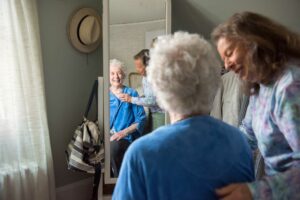
Clear communication is key: As in all human relationships and all family ventures, clear, consistent, and open communication is the key to success. As we age, we may become less adaptive to change, be it personal or within the family. You might want to include your aging parents in the conversation if you’re moving, if your kids are changing schools or going to college, or if your work schedule is changing. Give them a space where voice concerns, ask questions, and otherwise get comfortable with the new things happening around them.

Listening is part of communication, but unfortunately, we all sometimes forget to listen to our family members–especially the elderly. The fact is that your aging parents are still adults, and they still have needs, feelings, and preferences. As part of clear communication, ensuring that you’re listening to their desires, opinions, and thoughts is a big step in ensuring that they’re being taken care of and that you can better balance their needs with everything going on in your life.

Just as you need to involve your parents and listen to their needs, it’s also important to keep your children in the loop when it comes to life changes, particularly those regarding your aging parents. Young children may need some help understanding why their grandparents are coming to live with them, are less mobile than they used to be, or are moving to an assisted living facility. Older children have their own emotional needs, and as young adults, they deserve to have their thoughts and needs heard.

Take care of–and make time for–yourself! In all of this, you are important, and you deserve to be loved, cared for, supported, and treated with kindness. You’re a human and you’ll need to take breaks, do things you enjoy, or just rest now and then. Involve other family members, reach out to friends and neighbors, and find supportive programs to help you take care of your parents and keep the kids occupied while you do the things that make you happy and help you feel good about life.

Finally, and maybe most importantly: ask for help when you need it and accept help when it’s offered. It’s so easy to fall into the trap of thinking that all of this is your responsibility, 24 hours a day forever. The reality is that you need time for yourself, as we pointed out above, and your aging parents may need some additional care or companionship that you’re not in a position to offer them. By using the available resources to get the help that you and your parents need, you’ll make everyone’s life easier and make the time you spend with them that much richer.

Caring for older adults can be challenging, but Seniors Helping Seniors is here to help. Our team of senior volunteers understands what their fellow seniors need, and are there to help with a variety of day-to-day tasks or provide a bit of age-appropriate companionship as needed. The golden years are a precious time, meant to be enjoyed to its fullest, and our unique approach to senior care helps all involved get the most out of them. If you’d like a little help or company for an aging parent, if you’re a senior who could use a hand at home, or if you’d like to volunteer, get in touch with us today!

The post Tips for Balancing Caring for Aging Parents and Raising Children appeared first on Seniors Helping Seniors.

Make the Most Of Healthy Aging Month! Prioritize Personal Wellness With Seniors Helping Seniors® In-Home Care Services

Seniors Helping Seniors® 26 Sep 2023

Healthy Aging Month, celebrated every September, brings awareness to the physical and mental changes seniors experience as they age. This month-long observance also reminds seniors to care for physical and mental health throughout the golden years. Seniors Helping Seniors® in-home care services enable older adults to lead a vibrant and fulfilling life. A kind hand and a positive perspective will help you or your senior loved one remain connected, curious, and content as you navigate the later years.

The Significance Of Healthy Aging

Healthy aging is a conscious choice with remarkable benefits for older adults. The goal is not only living longer, but living better. Prioritizing physical and mental health enables seniors to improve their well-being and outlook. This includes lifestyle changes like engaging in regular exercise, eating a healthy diet, and finding activities that bring joy. Continue reading for four Seniors Helping Seniors® ways to promote healthy aging this month.

1.     Focus On Physical Well-Being

During Healthy Aging Month, make movement an enjoyable part of your or your special senior’s routine. Non-strenuous activity helps us stay fit while improving overall well-being, and an active lifestyle builds muscle and mobility for everyday life.

Aim for 150 minutes of moderate-intensity exercise each week. Explore workouts that match your fitness level or that of a loved one. Some options that the Seniors Helping Seniors® family loves include yoga, swimming, walking, and even dancing!

2.     Nurture Emotional Health

Mental health matters as much as physical health. Prioritize self-care this month by incorporating mindfulness into a daily routine.

Peaceful activities like meditation, breathing exercises, or journaling center thoughts and reduce stress. Seek opportunities to connect with friends and family. Sharing stories, laughing, and being present with loved ones combats feelings of isolation and loneliness, contributing to a positive state of mind. If you or a loved one are struggling with mental health, don’t hesitate to contact a professional for help.

3.     Take Preventative Measures

Healthy Aging Month is the perfect time to schedule regular check-ups with a healthcare provider. Monitor health and keep up with recommended screenings, such as mammograms, colonoscopies, and bone density tests. Be sure to follow recommended vaccines, including influenza, pneumococcal, and shingles.

Your Seniors Helping Seniors® caregiver is happy to give you or a senior loved one a ride to any appointments. Proactive measures empower seniors to take control of health, allowing our clients to continue enjoying life to the fullest.

4.     Make Positive Lifestyle Choices

Lastly, this month offers an excellent opportunity to incorporate better habits into a daily routine. Consider setting specific goals that align with your well-being aspirations or those of a loved one.

Aiming to eat healthier? Start cooking with more nutritious, nutrient-rich foods. Want to build a better sleep schedule? Try going to bed an hour earlier and reading before going to sleep. Or, get more organized by committing to decluttering at home. It takes about two months for a new habit to stick, so don’t wait to make lifestyle changes.

Healthy Aging Month reminds seniors to take care of their well-being. As we age, each day presents an opportunity to make positive changes. Whether embarking on a new exercise routine, practicing daily mindfulness, or starting a positive habit, there are plenty of ways to nurture physical, mental, and emotional health. Add a layer of support by enlisting help from a Seniors Helping Seniors® caregiver. With their assistance, the seniors we serve can confidently navigate this journey, knowing that their well-being is in capable hands.

The post Make the Most Of Healthy Aging Month! Prioritize Personal Wellness With Seniors Helping Seniors® In-Home Care Services appeared first on Seniors Helping Seniors.

Mind Over Matter: 5 Seniors Helping Seniors® Tips For Practicing Positive Aging!

Seniors Helping Seniors® 14 Sep 2023
Seniors Helping SeniorsEveryone views aging differently. To some, the idea of getting older is scary. Others embrace it with a youthful ferocity! At the end of the day, your mindset is more important than you think. It plays a large part in the quality of life experienced throughout your Golden Years. Seniors Helping Seniors® in-home care services is committed to inspiring others to age gracefully and independently. One of the ways we encourage our care recipients to make the most of their senior years is by promoting “positive aging” techniques. What Is Positive Aging? Positive aging is all about mindset. It refers to the idea that if you maintain an optimistic outlook in your senior years — coupled with healthy habits, social engagement, and mental stimulation — you’ll feel good about yourself, remain physically active, and continue to engage fully in all aspects of life! Incorporating positive aging techniques into your daily routine might sound difficult, but it’s easier than you think. Of course, our Seniors Helping Seniors® caregivers will stand by your side, ready to help you create and practice a program that will do your mind and body good! Now that you know why positive aging is important, let’s discuss five simple ways Seniors Helping Seniors® care receivers can work the power of positivity into everyday life! 1 – Embrace Your Age! Age is just a number, after all. Maintaining a youthful outlook and adapting to your changing abilities can help you accept that growing older is a normal part of life – one that every person (including your Seniors Helping Seniors® caregiver) is attempting to navigate. The first step in discovering the power of positive aging is to accept the aging process by working with it and not against it. This makes it easier to cope with the challenges this stage of life presents, and instead, start looking forward to the possibilities! 2 – Make Fitness A Priority Just thirty minutes of daily exercise can revolutionize your health. It can help you look and feel younger, complete tasks more easily, and prevent accidents and falls – all of which are essential for maintaining a positive outlook. Try the following Seniors Helping Seniors® suggestions to jumpstart your fitness routine: Go for a walk Walking is an excellent way to get the blood pumping while improving heart health, boosting mental clarity, and lowering blood pressure. Commit to a daily walk with a friend, family member, or your Seniors Helping Seniors® companion! Explore senior fitness classes There are plenty of exercise options for active seniors! Look into what classes your local senior center, gym, or fitness studio offers. Activities like water aerobics, chair yoga, and body weight workouts are popular among seniors and provide low impact workouts that will still make you feel the burn! Don’t get discouraged if it’s tough to keep up at first. Your workouts will become easier as you build strength. Be consistent and you’ll soon look forward to your daily exercise regimen! 3 – Stay Connected Building and maintaining close relationships is also essential to a positive aging plan. Doing so can combat loneliness, improve self-esteem, and foster a sense of belonging. Not sure where to begin? Try one of the following to make new friends or reconnect with some old pals:

  • Organize a monthly dinner with friends or family where everyone brings a different dish
  • Join a social group, like a birdwatching or book club, pickleball league, or volunteer service
  • Make it a point to attend your grandkids’ sporting games and performances – they’ll love having you there to cheer them on!
As always, remember to lean on your Seniors Helping Seniors® caregiver. They’re available to get you to and from social events or to accompany you on a new adventure, so let’s go! 4 – Nurture Healthy Habits Maintaining a balanced diet is critical to the aging process. Eating right helps keep your weight at an appropriate level and supports heart health. These simple diet rules can help you stay on track:
  • Incorporate lean proteins, plenty of vegetables (especially those that are orange, red, and green), substitute whole grains whenever possible, and stick to low-fat dairy products
  • Drink lots of (the right) fluids – water, tea, and coffee – and stay away from beverages that are high in sugar
  • Look for foods that are high in fiber and vitamin D as these are both vital for aging individuals
There are also certain habits you should avoid to continue functioning at the highest level. First, don’t skimp on sleep – a restful night’s slumber is essential in keeping the body functioning properly. Also, avoid smoking and excessive alcohol intake. Both of these can cause serious health issues in people of all ages. 5 – Sharpen Your Brain Your mind, like your body, thrives when you push it to the limit. A strong brain keeps you sharp and is a key ingredient for your positive aging recipe. Add games like Sudoku and crossword puzzles to your daily routine so your brain gets the exercise it needs. Learning a new skill can improve intellect as well. Check local resources, like a university or community center, to see if they offer any skill-building classes that peak your interest. Gaining a new ability cultivates positive thoughts and builds confidence. Not to mention, it’s fun and will leave you with an activity you’ll look forward to! We told you it was easy to practice positive aging! In fact, you’re probably doing a lot of these things already. Don’t be afraid to ask your Seniors Helping Seniors® companion for ideas on how to keep a positive mindset as you mature – remember, they’re going through the same stage of life as you are. Incorporate the above Seniors Helping Seniors® tips into your daily routine and you’re bound to feel great, stay active, and retain your youthful exuberance for life! Incorporating positive aging techniques into your daily routine might sound difficult, but it’s easier than you think. Of course, our Seniors Helping Seniors® caregivers will stand by your side, ready to help you create and practice a program that will do your mind and body good! Now that you know why positive aging is important, let’s discuss five simple ways Seniors Helping Seniors® care receivers can work the power of positivity into everyday life!

The post Mind Over Matter: 5 Seniors Helping Seniors® Tips For Practicing Positive Aging! appeared first on Seniors Helping Seniors.

How to Determine if Your Aging Parent Needs Additional Support

Seniors Helping Seniors® 30 Jun 2023

Seniors Helping Seniors® In-Home Care Agency thanks U.S. News and World Report for including us in their story on how to determine if an aging parent needs support. It’s important to be able to recognize the signs that your parent or loved one needs assistance. We were honored to lend our knowledge to this article, and we invite you to read the whole story at the link below! 

Can Your Aging Parent Still Live Alone?
Aging is a fact of life, and for many older adults, there comes a time when they can no longer look after themselves as they once did. Often, the adult children are left to determine when that time comes, and it can be a challenging period for both kids and parents.

While it’s not always easy to know when it’s time, experts say the following signs could mean you need to talk with your parents about changing their living situation.

https://health.usnews.com/senior-care/articles/assessing-aging-parent-cant-live-alone

The post How to Determine if Your Aging Parent Needs Additional Support appeared first on Seniors Helping Seniors.

Savor The Season With Seniors Helping Seniors® In-Home Services: 4 Tips For Healthy Summer Eating

Seniors Helping Seniors® 23 Jun 2023

The Seniors Helping Seniors® family loves seeing our care receivers enjoy the best parts of each season. With summer fast approaching in the Northeast, it will soon be time to break out the shorts, light the citronella candle, and dust off the patio table for the season’s first outdoor feast!

It can be tempting to indulge throughout the summer months. With family cookouts, vacations, and the urge to spend time enjoying the outdoors in lieu of the kitchen, we often opt for quick, not so healthy choices. A nutritious, balanced diet, however, is important for active seniors all year long.

The good news is, continuing to eat right over the summer months doesn’t have to be complicated. Soak in these four Seniors Helping Seniors® tips for a summer of healthy – and delicious – eating!

Keep It Balanced

Making good decisions isn’t hard once you know what to choose. Let’s look at the layers of the food pyramid and determine the best foods to reach for and which to skip.

Grains

The foundation of the food pyramid is the grain group, which encompasses things like rice, pasta, bread, and oats. When stocking the cabinets, whole grains are best. Whole grains are made using the entire grain kernel and, therefore, are good sources of dietary fiber, minerals, and Vitamin B.

Fruits and Vegetables

We all know fruits and veggies provide plenty of dietary value, but which are the most nutritious options? Look for produce that is red, orange, purple, and green, as these fruits and veggies contain vitamins and minerals that are especially important to senior health.

P.S. – The Northeast is known for its abundant fruit and vegetable production, so check the local section of the grocery store or visit community produce stands for some excellent options!

Dairy

When choosing milk, yogurt, and cheese products, go with low-fat or fat-free options. Calcium is the major benefit in this group, but dairy products also provide phosphorus, Vitamins A and D, B12, potassium, and more.

Protein

Protein covers a wide variety of foods, including meat, poultry, eggs, seafood, and legumes (like beans and lentils). Look for meat and poultry that’s lean or low-fat and seafood that’s high in omega-3s and has a low mercury count. For a vegetarian meal, substitute legumes as a tasty and nutritious option.

It’s important to mix it up when it comes to protein. Many people eat plenty of meat and poultry, but often skimp on fish and legumes. However, each category has specific vitamins and nutrients that are key to a balanced diet.

Advantages of Sensible Eating

When a variety of nutritious foods are incorporated into a balanced diet, the mind and body will benefit in spades! For example, healthy eating helps:

  • Reduce cholesterol
  • Lower risk of heart disease, cancer, and diabetes
  • Promote proper bowel function
  • Support a healthy nervous system
  • Boost immunity and prevent infection
  • Encourage healthy eyes, skin, and gums
  • Maintain strong bones and teeth
  • Improve concentration and attention span
  • Increase energy and mental clarity

Preparation Is Key

How food is cooked contributes to a healthy diet as well. During the summer months, grilling is an excellent option and produces flavorful dishes. Better yet, it’s a wonderful time to gather with loved ones and your Seniors Helping Seniors® companion to enjoy the outdoors and fellowship while dinner is cooking!

Grilled to Perfection

Cooking on the grill is easy and requires little preparation. Simply apply your favorite seasoning combination or marinade and get grilling! As the food cooks, excess fat and oil drip away, leaving a wholesome and delicious dinner.

Try these tips and tricks from Seniors Helping Seniors® in-home services to make grilling a breeze:

  • Invest in a meat thermometer and always ensure poultry is cooked to an internal temperature of 165°F and pork to 145°F.
  • Cook veggies in foil packets with seasoning and a little oil (extra virgin olive oil or canola are best). Ensure the packet is sealed at the top and place it directly on the grates until the veggies are tender.
  • Craving something sweet? For dessert, try grilling pineapple, peach, or watermelon slices for an after-dinner treat!

One of the best things about this method is there’s minimal clean-up required, leaving more time to spend enjoying your dinner companions!

Practice Proper Portion Control

Consuming the right amounts of each food group is important as well. When making a plate, follow these Seniors Helping Seniors® suggestions for a balanced meal:

  1. Envision a vertical line directly down the middle of the plate
  2. On the right, add half whole grains and half lean protein
  3. Fill the left side with fruits and vegetables (heavier on the veggies)
  4. Eat dairy in moderation

Now, all that’s left is to choose a healthy option to wash it all down…

Drink Up!

Staying hydrated is key, especially when summer heat kicks into high gear! Water is an essential nutrient and should be the majority of what’s consumed throughout the day. Try fruit-infused water for a twist on the traditional or sparkling water for something bubbly. Tea and coffee are good options as well and provide several health benefits of their own.

Avoid sugary drinks or those with high salt content and stay away from consuming alcohol in excess. These actually contribute to dehydration and a number of other issues.

Who’s ready to welcome summer?! With these tips from Seniors Helping Seniors® in-home care services,

The post Savor The Season With Seniors Helping Seniors® In-Home Services: 4 Tips For Healthy Summer Eating appeared first on Seniors Helping Seniors.

Occupational Therapy: A Seniors Helping Seniors® Suggestion For A More Independent YOU!

Seniors Helping Seniors® 02 Apr 2023

April is National Occupational Therapy Month and Seniors Helping Seniors® in-home care services is taking a moment to champion this life-changing treatment. Occupational therapy (OT) helps people of all ages maintain, or regain, the skills necessary to perform everyday activities.

Similar to its better-known counterpart, physical therapy, OT provides a number of benefits throughout the body. Where the two differ most is in their purpose. Physical therapy focuses on improving pain in one part of the body, while occupational therapy is focused on adapting daily tasks to make them easier. For our care receivers, that means doing more of the things you love most!

Let’s explore the ways this branch of therapy can help our active senior community continue to reap the rewards of an independent lifestyle!

Physical Benefits

Occupational therapy helps strengthen the body by increasing flexibility, re-conditioning muscles, and teaching adaptive movements that put less stress on muscles and joints. Here’s a closer look at the physical advantages of OT.

Enhanced Range Of Motion

As a senior, improving flexibility can change a lot! Stretching allows the body to be less rigid. In turn, this decreases the chances of injuries like a muscle strain or pull. It can also make daily tasks – such as vacuuming, gardening, or walking – easier to complete.

Treatment to better range of motion can include a number of methods. For example, to improve shoulder flexibility, an occupational therapist might suggest seniors complete a series of stretches, practice dressing the upper body, and work on strength training exercises for that area.

Decreased Chronic Pain

When you lead an active and fulfilling life, chronic pain, like arthritis and muscle aches, can really slow you down. Getting support from an occupational therapist can help, however.

To assist with pain management, these professionals demonstrate adaptations for the activities that are most important to everyday life. The technical terms for these strategies include things like reduced muscle tension, ergonomics, safe body mechanics, and neuromuscular re-education. Simply put, these methods are alternative ways to complete tasks with less strain, and therefore pain, on the body.

Maximize Mental Health

The advantages of OT far surpass physical improvements. Cognitive functions like memory and brain capacity can see an uptick as well! It can even help relieve stress and anxiety.

Better Memory And Increased Brainpower

Occupational therapists are trained to evaluate thinking skills in addition to physical abilities. Again, there are a variety of techniques that can be used to improve cognitive function.

Memory-enhancing activities like crossword puzzles and brain teaser games are often encouraged to keep the mind sharp. An occupational therapist may also break challenging tasks down into a series of simple steps and cues, making them easier to complete for those with memory loss.

Additionally, occupational therapists can work with seniors on exercises that improve vision. It might not seem closely connected to memory and brainpower, but enhanced sight allows seniors to gather and process information more easily, benefiting cognition.

Reduced Stress And Anxiety

With age, the ability to perform everyday tasks often declines, taking a toll on mental health. You or a senior loved one might start to feel helpless and depressed due to this loss of function.

An occupational therapist, however, will focus on the tasks that CAN be completed, inspiring seniors with a sense of empowerment! As for weaker skills? OT is utilized to identify these and work to improve them.

Adaptive Living

Ultimately, the goal of occupational therapy is to enable individuals, seniors included, to live comfortably and independently. Improving physical and mental wellbeing is certainly helpful in retaining personal freedom, but OT extends beyond this.

Home Modifications

Not only will occupational therapists work with the body and mind to make life easier, they will also assist in adjusting areas of your home, or that of a senior loved one, with the same end goal. Here are some ways these professionals might alter a living space for better daily functionality:

  • Suggest safety improvements, like adding handrails in bathrooms, increased lighting, and clearing clutter from walking paths
  • Re-label medications, cooking items, and cleaners so they’re easier to distinguish for individuals with sight loss
  • Add visual cues throughout the home to help those with memory loss or dementias navigate and complete tasks

Shared Knowledge

Occupational therapists often encourage family members and caregivers to become familiar with the exercises their senior loved one has been practicing during OT. This ensures improvement doesn’t stop at the end of a session.

The more seniors can incorporate occupational therapies into a daily or weekly routine, the easier it will be to stay physically active, mentally fit, and autonomous. Seniors Helping Seniors® caregivers are happy to assist those we serve with the strategies learned through occupational therapy. From helping complete daily exercises to adaptive strategies, we’re here for you or the special senior in your life!

The post Occupational Therapy: A Seniors Helping Seniors® Suggestion For A More Independent YOU! appeared first on Seniors Helping Seniors.